
For those who have just discovered the world of digital payments, it’s common to overlook the significance of payment app reviews – assessments or evaluations (examinations or judgments) of applications designed for making financial transactions – in ensuring a safe and efficient user experience. Most people believe that as long as an app allows them to send and receive money, it’s sufficient. However, this perspective neglects the complexity (the state of being complicated) and the potential risks associated with digital transactions. Payment app reviews serve as a crucial guide for beginners, providing insights into an app’s security features (measures taken to protect against unauthorized access), user interface (the means by which a user and a computer system interact), and overall performance (how well something functions). By understanding the importance of these reviews, beginners can make informed decisions about which payment apps to use. As the world becomes increasingly digital, the need for reliable and secure payment methods has never been more pressing.
📝 Table of Contents
Understanding Payment App Reviews
Payment app reviews are detailed evaluations (assessments or judgments) of digital payment applications, considering factors such as security (the state of being safe from danger or harm), ease of use (how simple or complicated something is to operate), and customer support (assistance provided to customers). These reviews are crucial for helping potential users decide which payment app best suits their needs. To fully grasp the concept, it’s essential to understand key terms associated with payment apps. The following table outlines some of these terms and their plain-English meanings:
| Term | Plain-English Meaning |
|---|---|
| API (Application Programming Interface) | A set of rules – or instructions – that enables different applications to communicate with each other, similar to how two people follow a common language to understand each other. |
| Encryption (the process of converting data into a code) | A method of securing data by converting it into a code, making it unreadable to unauthorized parties, similar to sending a secret message that only the intended recipient can decipher. |
| Firewall (a network security system) | A security system that monitors and controls incoming and outgoing network traffic based on predetermined security rules, acting as a barrier between a trusted network and an untrusted network, like a gatekeeper who decides what can enter or leave a secured area. |
| Merchant Account (a type of bank account) | A type of bank account that allows businesses to accept payments in multiple ways, typically through credit or debit cards, essentially acting as a middleman between the business and the customer’s bank. |
| Tokenization (the process of replacing sensitive data with unique identifiers) | A process of replacing sensitive data, like credit card numbers, with unique identifiers, or tokens, to secure the data and reduce the risk of it being accessed by unauthorized parties, similar to using a pseudonym to protect one’s real identity. |
| Two-Factor Authentication (2FA) – a security process | A security process in which users are granted access to a system or application only after successfully presenting two different authentication factors, such as a password and a fingerprint, providing an additional layer of security to protect against unauthorized access. |
Why Payment App Reviews Matters
Payment app reviews matter for several reasons, primarily because they provide potential users with an insight into the reliability, security, and usability of a payment app. For instance, a review highlighting an app’s robust security features, such as encryption and two-factor authentication, can reassure users about the safety of their transactions. Similarly, reviews that mention an app’s user-friendly interface can help beginners navigate the app more easily. According to recent statistics, over 70% of users rely on reviews before deciding to use a new payment app, indicating the significant impact reviews have on user decisions. Moreover, payment app reviews can also benefit developers by pointing out areas for improvement, such as enhancing security protocols or simplifying the user interface. By addressing these concerns, developers can update their apps to better meet user needs, thereby improving user satisfaction and app ratings. For example, an app that initially received low ratings due to security concerns can improve its ratings and attract more users after implementing stronger security measures based on user feedback.
The real-world impact of payment app reviews can be seen in the growth of digital payment systems. As more people turn to digital payments for convenience and efficiency, the importance of reliable and secure payment apps increases. Reviews play a critical role in distinguishing between apps that offer robust security features and those that may compromise user data. For example, in 2020, a popular payment app faced a significant backlash after a security breach was reported, leading to a considerable loss of users. This incident highlights the importance of payment app reviews in warning potential users about security risks and guiding them towards safer alternatives. Furthermore, positive reviews can encourage more people to adopt digital payment methods, contributing to the overall growth of the digital economy. According to a recent survey, the digital payment market is expected to grow by over 15% annually, with secure and user-friendly payment apps being key drivers of this growth.
In addition to guiding users and benefiting developers, payment app reviews also contribute to the overall development of the digital payment ecosystem. By promoting transparency and accountability, reviews help maintain high standards of security and service quality among payment app providers. This, in turn, fosters trust among users, encouraging more people to engage with digital payment systems. As the use of digital payments becomes more widespread, the role of payment app reviews in ensuring a safe, efficient, and reliable transaction experience will continue to grow. With the anticipated growth of the digital payment market, the importance of comprehensive and honest reviews will become even more critical, serving as a foundation for the expansion of digital financial services.
Latest Payment App Technologies
1. Introduction to Blockchain Technology
Blockchain technology – a decentralized (distributed), digital ledger (record book) that records transactions across a network of computers – is being increasingly integrated into payment apps for enhanced security and transparency. To use blockchain technology, developers must first understand how it works and then decide how to implement it within their app, considering factors such as scalability (the ability of a system to handle increased load) and interoperability (the ability of different systems to work together). A common beginner mistake is to underestimate the complexity of integrating blockchain, leading to compatibility issues.
- Key Benefits: Enhanced security through decentralized data storage, increased transparency through publicly accessible records, and the potential for faster transaction processing times.
- Reduced risk of data tampering or alteration, as transactions are recorded on a public ledger that is maintained by a network of computers rather than a single entity.
2. Implementing Artificial Intelligence (AI) for Fraud Detection
Artificial Intelligence (AI) – the development of computer systems able to perform tasks that typically require human intelligence – is being used in payment apps to detect and prevent fraudulent transactions. To implement AI for fraud detection, developers must train AI models on datasets of legitimate and fraudulent transactions, allowing the AI to learn patterns and anomalies that indicate fraud. A common mistake is to rely solely on AI without human oversight, which can lead to false positives (incorrectly identifying a legitimate transaction as fraudulent).
- Key Benefits: Improved fraud detection accuracy through machine learning algorithms, real-time monitoring of transactions, and automated responses to potential threats.
- Enhanced user protection through the early detection of suspicious activity, reducing the risk of financial loss.
3. Enhancing User Experience with Biometric Authentication
Biometric authentication – the use of unique physical characteristics, such as fingerprints or facial recognition, to verify identities – is becoming a standard feature in payment apps for secure and convenient login processes. To use biometric authentication, developers must integrate biometric scanning technology into their app and ensure that user data is stored securely. A common beginner mistake is to compromise on the quality of biometric scanning, leading to authentication failures.
- Key Benefits: Enhanced security through unique identifiers that are difficult to replicate, simplified login processes that eliminate the need for passwords, and reduced risk of unauthorized access.
- Improved user experience through faster and more convenient authentication methods.
4. Utilizing Cloud Computing for Scalability
Cloud computing – the practice of using a network of remote servers hosted on the internet to store, manage, and process data – is crucial for payment apps that need to scale quickly to meet growing user demands. To utilize cloud computing, developers must migrate their app’s infrastructure to a cloud platform and configure it for automatic scaling. A common mistake is to underestimate the costs associated with cloud services, leading to unexpected expenses.
- Key Benefits: Scalability to handle increased traffic without downtime, reduced maintenance costs through the use of remote servers, and enhanced data security through cloud provider security measures.
- Increased flexibility and reliability, as cloud computing allows for easy upgrades and backups.
5. Incorporating Near Field Communication (NFC) for Contactless Payments
Near Field Communication (NFC) – a technology that enables devices to communicate when they are in close proximity to each other – is being integrated into payment apps to facilitate contactless transactions. To incorporate NFC, developers must ensure that their app is compatible with NFC-enabled devices and that transactions are securely processed. A common beginner mistake is to overlook the need for specific hardware requirements, such as NFC chips in devices.
- Key Benefits: Convenience through contactless payment methods, enhanced security through tokenization of sensitive data, and reduced risk of card skimming or loss.
- Increased speed of transactions, as contactless payments are generally faster than traditional payment methods.
6. Using QR Codes for Simplified Transactions
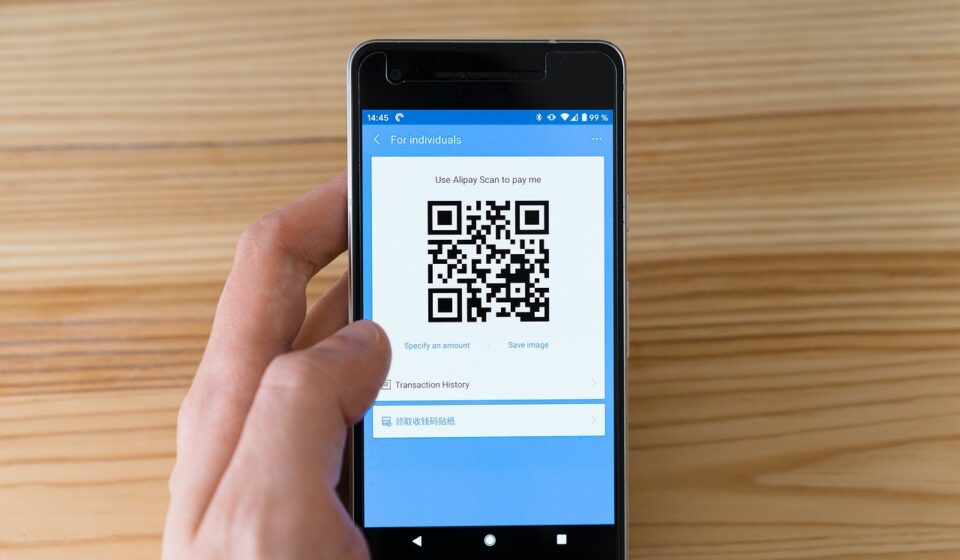
QR codes – matrix barcodes that can be read by smartphones – are being used in payment apps to simplify transactions by eliminating the need for users to enter recipient details manually. To use QR codes, developers must generate unique QR codes for each transaction and ensure that they are securely processed. A common mistake is to compromise on the security of QR code generation, leading to potential fraud.
- Key Benefits: Simplified transaction process through the elimination of manual entry, reduced risk of transaction errors, and increased speed of payments.
- Enhanced user experience through a more streamlined and efficient payment process.
7. Securing Data with End-to-End Encryption
End-to-end encryption – a method of secure communication that encrypts data at the sender’s device and decrypts it at the recipient’s device, ensuring that only the sender and intended recipient can read the messages – is critical for securing sensitive user data. To implement end-to-end encryption, developers must integrate encryption protocols into their app and ensure that all data transmitted is encrypted. A common beginner mistake is to implement encryption incorrectly, leaving data vulnerable to interception.
- Key Benefits: Complete security of user data, protection against interception or eavesdropping, and compliance with data protection regulations.
- Enhanced trust among users, as end-to-end encryption provides a high level of security and privacy.
| Step | What You Do | Expected Result |
|---|---|---|
| 1. Introduction to Blockchain Technology | Integrate blockchain technology into your payment app for enhanced security and transparency. | Improved security and transparency of transactions. |
| 2. Implementing Artificial Intelligence (AI) for Fraud Detection | Use AI models to detect and prevent fraudulent transactions in real-time. | Reduced risk of fraud and improved user protection. |
| 3. Enhancing User Experience with Biometric Authentication | Implement biometric authentication for secure and convenient login processes. | Enhanced security and user experience through simplified login processes. |
| 4. Utilizing Cloud Computing for Scalability | Migrate your app’s infrastructure to a cloud platform for scalability and reduced maintenance costs. | Ability to handle increased traffic without downtime and reduced maintenance costs. |
| 5. Incorporating Near Field Communication (NFC) for Contactless Payments | Integrate NFC technology into your app for contactless transactions. | Convenience and security of contactless payment methods. |
| 6. Using QR Codes for Simplified Transactions | Generate unique QR codes for each transaction to simplify the transaction process. | Simplified and efficient transaction process. |
| 7. Securing Data with End-to-End Encryption | Implement end-to-end encryption to secure sensitive user data. | Complete security of user data and compliance with data protection regulations. |
Frequently Asked Questions
1. What Makes a Payment App Secure?
A secure payment app is one that implements robust security measures such as encryption, two-factor authentication, and secure data storage. It should also comply with relevant data protection regulations and regularly update its security protocols to address emerging threats. For example, an app that uses end-to-end encryption and two-factor authentication provides a high level of security for its users. Additionally, transparency about data handling practices and clear communication with users about security measures are crucial. Users should look for apps that are open about their security practices and that have a good track record of protecting user data.
2. How Do I Choose the Right Payment App for My Needs?
Choosing the right payment app involves considering several factors, including the app’s security features, user interface, fees associated with transactions, and the types of transactions it supports. It’s also important to read reviews from other users to get an idea of the app’s reliability and customer support. For instance, if someone frequently makes international transactions, they should look for an app that offers competitive exchange rates and low fees for such transactions. Furthermore, considering the app’s compatibility with your device and operating system is essential to ensure a smooth user experience. By taking the time to evaluate these factors, users can find a payment app that meets their specific needs and provides a secure and efficient transaction experience.
3. What Are the Benefits of Using Digital Payment Apps?
The benefits of using digital payment apps include convenience, as they allow for transactions to be made quickly and easily from a mobile device; security, through the use of advanced security measures like encryption and biometric authentication; and efficiency, as they reduce the need for physical cash and cards. Additionally, many digital payment apps offer rewards, discounts, or other incentives for using their services, making them a cost-effective option for users. For example, some apps offer cashback on certain purchases or provide exclusive discounts to their users. Moreover, digital payment apps can help users track their spending more effectively, providing insights into their financial habits and helping them make more informed decisions about their money.
4. How Do Payment App Reviews Impact the Digital Payment Ecosystem?
Payment app reviews have a significant impact on the digital payment ecosystem by promoting transparency and accountability among payment app providers. Positive reviews can encourage more people to adopt digital payment methods, contributing to the growth of the digital economy. Conversely, negative reviews can highlight areas for improvement, prompting developers to update their apps and enhance user experience and security. For instance, a review that highlights a security flaw in an app can prompt the developer to fix the issue, thereby improving the overall security of the app and protecting its users. By fostering a culture of feedback and continuous improvement, payment app reviews play a crucial role in shaping the future of digital payments.
5. What Is the Future of Digital Payments?
The future of digital payments is expected to be shaped by emerging technologies such as blockchain, artificial intelligence, and the Internet of Things (IoT). These technologies are anticipated to enhance security, convenience, and efficiency of digital transactions, making them even more integral to daily life. For example, the integration of blockchain technology into payment systems could provide a more secure and transparent way of conducting transactions. Additionally, the use of AI in fraud detection could significantly reduce the risk of fraudulent transactions. As digital payments continue to evolve, it’s likely that we will see new and innovative methods of making transactions, such as voice-activated payments or payments through wearable devices. By embracing these technologies and innovations, the digital payment sector is poised for significant growth and transformation in the coming years.
Closing Thoughts
Payment app reviews play a vital role in the digital payment ecosystem, serving as a guide for users and a feedback mechanism for developers. By understanding the importance of these reviews and the technologies that underpin secure and efficient payment apps, individuals can make informed decisions about their digital financial transactions. As the world moves towards a more digital future, the significance of reliable, secure, and user-friendly payment apps will only continue to grow. By prioritizing security, convenience, and transparency, payment app developers can create solutions that meet the evolving needs of users, thereby contributing to the expansion of digital financial services. Ultimately, the future of digital payments depends on the ability of payment apps to provide secure, efficient, and reliable transaction experiences, making it essential for developers to continue innovating and improving their services.
Keep Reading


What's Next?