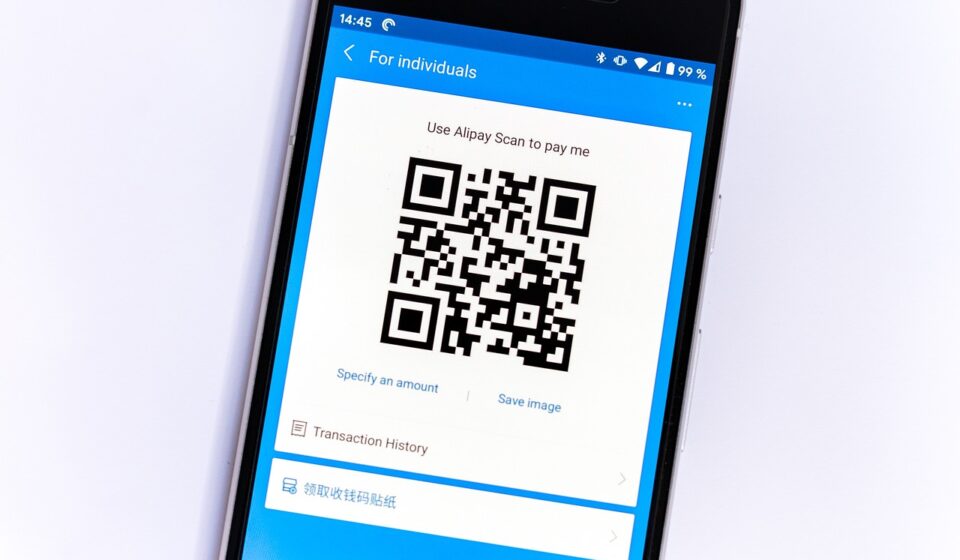

Choosing the right mobile payment method is crucial in today’s fast-paced, digitally-driven world, where convenience and security are paramount. With the rise of mobile commerce, it’s essential to understand the different options available to make informed decisions. Mobile payments are gaining attention worldwide due to their ease of use, speed, and enhanced security features – such as tokenization (a process that replaces sensitive information with unique identifiers), and biometric authentication (using unique physical characteristics, like fingerprints or facial recognition, to verify identities). As the demand for contactless transactions increases, selecting the most suitable mobile payment approach has become a vital aspect of personal and business finance. The right choice can significantly impact user experience, transaction efficiency, and overall financial management. Moreover, with the constant evolution of technology, staying updated on the latest trends and options in mobile payments is indispensable.
📝 Article Overview
Breaking Down Mobile Payments
To navigate the world of mobile payments effectively, it’s essential to grasp the fundamental concepts and technologies involved. Mobile payments refer to transactions made using a mobile device – such as a smartphone or tablet, utilizing various technologies like Near Field Communication (NFC), a method that enables devices to communicate when they are close to each other, typically a few centimeters apart. Understanding these basics is crucial for evaluating the different mobile payment options available. The process typically involves linking a payment method, such as a credit card or bank account, to a mobile device, allowing users to make payments by tapping their device on a compatible point-of-sale terminal or by using a digital wallet (an electronic service that allows users to make transactions online or in-person) on their device.
A key aspect of mobile payments is the security they offer. Most mobile payment systems use encryption (the process of converting data into a code to protect it from unauthorized access) to protect transaction data. Additionally, many services require a form of authentication, such as a passcode, fingerprint, or facial recognition, to authorize transactions. This multi-layered security approach makes mobile payments a safer option compared to traditional payment methods. For those considering adopting mobile payments, understanding these security measures can provide peace of mind. The following table outlines some key metrics to evaluate when considering mobile payment options:
| Option | Security Features | Compatibility | Transaction Limits |
|---|---|---|---|
| Apple Pay | Tokenization, Biometric Authentication | iOS Devices | Varies by Bank |
| Google Pay | Tokenization, Biometric Authentication | Android Devices | Varies by Bank |
| Samsung Pay | Tokenization, Biometric Authentication | Varies by Bank | |
| PayPal | Encryption, Two-Factor Authentication | Cross-Platform | Varies by Account Type |
Core Mobile Payment Approaches
Apple Pay
Apple Pay is a mobile payment service developed by Apple Inc., allowing users to make payments in-person, online, and in-apps. This service uses NFC technology to facilitate transactions. To use Apple Pay, users add their credit or debit card information to their iPhone, Apple Watch, iPad, or Mac, and then use their device to make payments. One of the key benefits of Apple Pay is its integration with other Apple services, making it a seamless experience for those already invested in the Apple ecosystem.
- Why It Works:
- Convenience: Easy to set up and use, with a user-friendly interface.
- Security: Offers advanced security features like tokenization and biometric authentication for added protection.
- Compatibility: Works with a wide range of merchants and banks, both online and in-store.
- What Needs Work:
- Limited to Apple Devices: Can only be used on Apple products, limiting its availability to a broader audience.
- Transaction Limits: Some banks may impose transaction limits on Apple Pay, which can be inconvenient for larger purchases.
Best for: Apple device users looking for a seamless and secure payment experience.
Google Pay
Google Pay is a digital wallet platform developed by Google, allowing users to make payments online and in-person using their Android devices or Wear OS watches. Google Pay supports NFC transactions and also enables transactions through the Google Pay app. It offers a straightforward setup process, where users add their card details to the Google Pay app, and then they can make contactless payments or use it for online transactions.
- Why It Works:
- Wide Compatibility: Works with a broad range of Android devices and online services.
- Easy Setup: Simple to add payment methods and start making transactions.
- Rewards Integration: Can integrate with loyalty programs and offer rewards for using Google Pay.
- What Needs Work:
- Security Concerns: Some users may have concerns about Google’s data collection practices and how this affects the security of their financial information.
- Limited Biometric Support: While it supports biometric authentication, the availability can depend on the device being used.
Best for: Android users seeking a versatile and widely accepted mobile payment solution.
Samsung Pay
Samsung Pay is a mobile payment service developed by Samsung Electronics, compatible with select Samsung devices. It uses NFC and Magnetic Secure Transmission (MST) technologies, allowing it to work with both contactless payment terminals and traditional magnetic stripe card readers. This feature makes Samsung Pay particularly versatile, as it can be used at nearly any payment terminal.
- Why It Works:
- Versatility: Works with both NFC and MST, offering broad compatibility with different types of payment terminals.
- Security: Offers tokenization and biometric authentication for secure transactions.
- Rewards: Integrates with Samsung Rewards, offering points for every purchase made through Samsung Pay.
- What Needs Work:
- Limited Device Support: Only compatible with certain Samsung devices, limiting its availability.
- Complex Setup: The setup process can be more complicated compared to other services, requiring the installation of an additional app.
Best for: Owners of compatible Samsung devices looking for a payment method that works almost anywhere.
PayPal
PayPal is an online payment system that enables users to send and receive payments online. It acts as a digital wallet, allowing users to link their credit or debit cards, or bank accounts, to make payments online, in-app, or in-store through the PayPal app. One of the main advantages of PayPal is its wide acceptance among online merchants and its cross-platform compatibility.
- Why It Works:
- Cross-Platform: Available on multiple platforms, including iOS, Android, and web, making it accessible to a wide audience.
- Security: Offers encryption and two-factor authentication to protect user accounts and transactions.
- Convenience: Allows for easy online transactions and can be used for peer-to-peer payments.
- What Needs Work:
- Fees: May charge fees for certain types of transactions, such as receiving payments from abroad or using a credit card for payments.
- Customer Support: Some users have reported difficulties in resolving issues with PayPal’s customer support.
Best for: Individuals and businesses looking for a versatile online payment solution with broad acceptance.
Bank Apps
Many banks offer their own mobile payment apps, allowing users to make transactions directly from their bank accounts. These apps often integrate with the bank’s online banking services, providing a seamless experience for users. They may offer features such as bill pay, person-to-person payments, and mobile deposit, in addition to the ability to make in-store purchases using NFC technology.
- Why It Works:
- Direct Access: Offers direct access to bank accounts for transactions, reducing the need for intermediaries like digital wallets.
- Security: Banks typically have robust security measures in place to protect transactions and accounts.
- Convenience: Can be used for a variety of banking tasks, not just payments, making it a one-stop banking solution.
- What Needs Work:
- Limited Compatibility: May only work with specific devices or operating systems, limiting accessibility.
- Features: The range of features can vary significantly between banks, with some offering more comprehensive services than others.
Best for: Bank customers looking for a straightforward way to manage their banking and payment needs through a single app.
| Option | Best For | Difficulty | Cost | Speed |
|---|---|---|---|---|
| Apple Pay | Apple Device Users | Easy | No Fees for Consumers | Fast |
| Google Pay | Android Users | Easy | No Fees for Consumers | Fast |
| Samsung Pay | Samsung Device Owners | Medium | No Fees for Consumers | Fast |
| PayPal | Online Shoppers and Merchants | Easy | Varying Fees | Fast |
| Bank Apps | Bank Customers | Easy to Medium | No Fees for Most Services | Fast |
How to Choose the Right One
Choosing the right mobile payment method involves considering several factors, including the type of device you use, the level of security you require, the fees associated with the service, and the compatibility with your bank or credit card. Device Compatibility is a crucial factor, as some services are limited to specific operating systems or devices. Security Features are also paramount, with options like tokenization, encryption, and biometric authentication offering enhanced protection for transactions. The Cost of using a mobile payment service is another significant consideration, with some services charging fees for certain types of transactions. Additionally, the Speed and Convenience of making transactions should be evaluated, as the primary appeal of mobile payments is their ease of use and rapid transaction processing.
When evaluating these factors, it’s essential to consider your specific needs and preferences. For instance, if you’re deeply integrated into the Apple ecosystem, Apple Pay might be the most convenient option. However, if you’re looking for a solution that works across different platforms, Google Pay or PayPal might be more suitable. Ultimately, the best mobile payment method is one that balances security, convenience, and cost-effectiveness based on individual requirements.
In addition to these factors, User Experience plays a significant role in the adoption and continued use of a mobile payment service. A service with a user-friendly interface and straightforward setup process is more likely to be adopted and consistently used. Moreover, services that offer Rewards and Loyalty Programs can enhance the user experience, providing incentives for continued use.
Considering these aspects, individuals can make an informed decision that aligns with their financial habits, device usage, and personal preferences. By weighing the pros and cons of each option and understanding the specific features and benefits each service offers, users can select the mobile payment method that best fits their lifestyle and needs.
Why People Are Paying Attention
One of the primary reasons people are paying attention to mobile payments is the Convenience they offer. Mobile payments enable users to leave their wallets at home, carrying only their mobile device to make transactions, which simplifies the process of making purchases. This convenience factor is a significant draw, especially in today’s fast-paced world where simplicity and speed are valued.
Another reason for the growing interest in mobile payments is the Enhanced Security they provide. Traditional payment methods like cash and credit cards have inherent security risks, such as the potential for loss, theft, or fraud. In contrast, mobile payments offer advanced security features that protect transactions and user data, providing a safer alternative for financial transactions.
The Speed of mobile payments is also a compelling reason for their adoption. With mobile payments, transactions are processed rapidly, often in real-time, which accelerates the checkout process and reduces waiting times. This speed is particularly beneficial in environments where time is of the essence, such as in retail or dining settings.
Furthermore, mobile payments offer a Universal Acceptance, allowing users to make transactions almost anywhere, whether online or in-store. This widespread acceptance enhances the utility of mobile payments, making them a versatile option for various transaction types.
In addition to these benefits, mobile payments can also provide Rewards and Discounts to users. Many mobile payment services offer loyalty programs, cashback, or discounts for using their services, which can lead to financial savings over time. These incentives encourage the continued use of mobile payments, fostering a loyal user base.
Lastly, the Technological Innovation behind mobile payments is a significant factor in their appeal. The integration of technologies like NFC, biometric authentication, and encryption ensures that mobile payments are not only convenient but also secure and reliable. The ongoing development and improvement of these technologies will continue to enhance the mobile payment experience, attracting more users to adopt these services.
Final Thoughts
The decision framework for choosing a mobile payment method involves evaluating device compatibility, security features, cost, speed, and convenience based on individual needs and preferences. By considering these factors and understanding the unique benefits and drawbacks of each service, users can select the most appropriate mobile payment solution for their lifestyle. The continuous evolution of mobile payment technologies, coupled with their increasing convenience, security, and acceptance, underscores their potential to revolutionize the way we conduct financial transactions. As mobile payments continue to grow in popularity, their impact on personal finance and commerce is expected to be significant, offering a faster, more secure, and more convenient way to make transactions in the digital age.
Ultimately, the future of mobile payments looks promising, with advancements in technology and increasing user adoption expected to drive further innovation and expansion of these services. As the financial and technological landscapes continue to evolve, the importance of mobile payments in facilitating efficient, secure, and convenient transactions will only continue to grow. By embracing mobile payments, individuals and businesses can capitalize on the benefits they offer, from enhanced security and convenience to rewards and discounts, making them an integral part of modern financial management.
To wrap up, mobile payments represent a significant step forward in the evolution of financial transactions, offering a blend of convenience, security, and technological innovation that is poised to redefine the way we pay for goods and services. As the world becomes increasingly digital, the role of mobile payments in shaping the future of commerce and personal finance will undoubtedly be substantial, providing a testament to the power of technology in transforming traditional practices and improving our daily lives.
Keep Reading


Ready to Dive In?