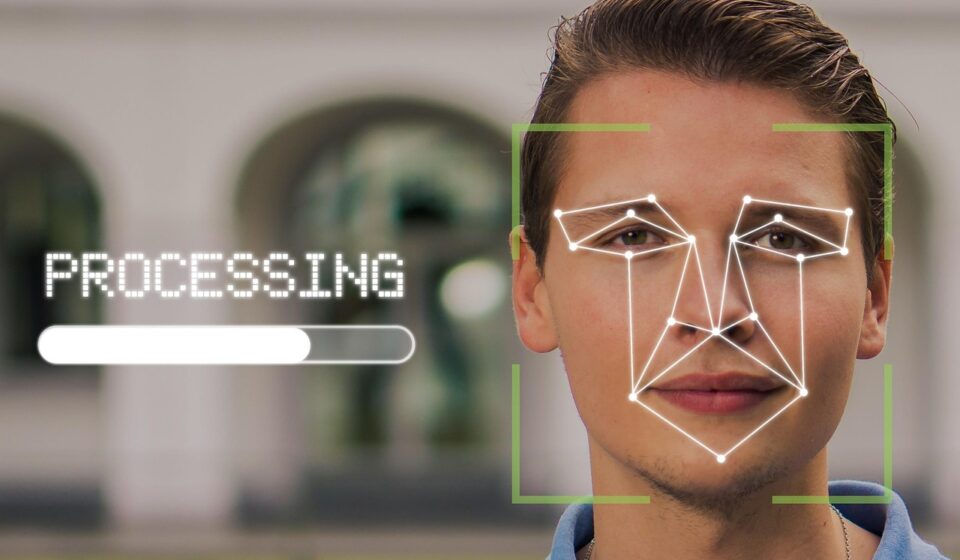

Many individuals face the frustrating problem of remembering numerous passwords and PINs for various accounts, which can lead to security vulnerabilities if they are not complex and unique. This issue can be resolved with biometric authentication, a secure method of verifying identities using unique physical characteristics. Biometric authentication offers a more reliable alternative to traditional passwords and PINs, providing an additional layer of security and convenience. The use of biometric authentication can help prevent unauthorized access to sensitive information and reduce the risk of identity theft.
📝 What You'll Learn
Common Challenges With Understanding Biometric Authentication
Complexity of Biometric Data
The complexity of biometric data can be a challenge, as it requires specialized software and equipment to collect, store, and analyze the data. This complexity can make it difficult for some organizations to implement biometric authentication, especially if they do not have the necessary expertise or resources. The collection of biometric data, such as fingerprints or facial recognition, requires careful consideration of factors like data quality and security.
Privacy Concerns
Privacy concerns are another challenge associated with biometric authentication, as the collection and storage of biometric data can raise concerns about personal privacy and data protection. This concern can be addressed by implementing robust security measures, such as encryption and secure storage, to protect the biometric data from unauthorized access. Organizations must also ensure that they are transparent about their biometric data collection and usage practices.
Cost and Accessibility
The cost and accessibility of biometric authentication technology can be a challenge, especially for small and medium-sized organizations or individuals with limited budgets. The cost of biometric authentication devices and software can be prohibitively expensive, making it inaccessible to some users. However, the cost of biometric authentication technology is decreasing over time, making it more accessible to a wider range of users.
Interoperability Issues
Interoperability issues can also be a challenge, as different biometric authentication systems may not be compatible with each other, making it difficult to implement a unified biometric authentication solution. This issue can be addressed by developing standards and protocols for biometric authentication, which can facilitate interoperability between different systems. different biometric authentication
Security Risks
Security risks, such as hacking and spoofing, can be a challenge for biometric authentication systems, as they can be vulnerable to various types of attacks. This concern can be addressed by implementing robust security measures, such as encryption and secure storage, to protect the biometric data from unauthorized access.
Leading Biometric Authentication Solutions
1. Fingerprint Recognition
Fingerprint recognition is a popular biometric authentication method that uses unique fingerprint patterns to verify identities. To implement fingerprint recognition, organizations can use fingerprint scanners or sensors that can capture and analyze fingerprint patterns. The fingerprint data is then compared to a stored template to verify the user’s identity.
- Strengths: High accuracy, ease of use, and widespread availability of fingerprint scanners.
- Fingerprint recognition is a well-established biometric authentication method with a high level of accuracy.
- The widespread availability of fingerprint scanners makes it a convenient option for many users.
2. Facial Recognition
Facial recognition is another popular biometric authentication method that uses unique facial features to verify identities. To implement facial recognition, organizations can use cameras or sensors that can capture and analyze facial features. The facial data is then compared to a stored template to verify the user’s identity.
- Strengths: High accuracy, non-intrusive, and can be used in various lighting conditions.
- Facial recognition is a non-intrusive biometric authentication method that does not require physical contact.
- The high accuracy of facial recognition makes it a reliable option for various applications.
3. Iris Scanning
Iris scanning is a biometric authentication method that uses unique iris patterns to verify identities. To implement iris scanning, organizations can use specialized cameras or sensors that can capture and analyze iris patterns. The iris data is then compared to a stored template to verify the user’s identity.
- Strengths: High accuracy, unique identifier, and resistant to spoofing attacks.
- Iris scanning is a highly accurate biometric authentication method with a unique identifier.
- The resistance of iris scanning to spoofing attacks makes it a secure option for various applications.
4. Voice Recognition
Voice recognition is a biometric authentication method that uses unique voice patterns to verify identities. To implement voice recognition, organizations can use microphones or sensors that can capture and analyze voice patterns. The voice data is then compared to a stored template to verify the user’s identity.
- Strengths: Convenience, ease of use, and can be used in various environments.
- Voice recognition is a convenient biometric authentication method that does not require physical contact.
- The ease of use of voice recognition makes it a popular option for various applications.
5. Behavioral Biometrics
Behavioral biometrics is a biometric authentication method that uses unique behavioral patterns, such as typing rhythms or gait, to verify identities. To implement behavioral biometrics, organizations can use specialized software or sensors that can capture and analyze behavioral patterns. The behavioral data is then compared to a stored template to verify the user’s identity.
- Strengths: Non-intrusive, continuous authentication, and can be used in various environments.
- Behavioral biometrics is a non-intrusive biometric authentication method that does not require physical contact.
- The continuous authentication capability of behavioral biometrics makes it a secure option for various applications.
6. Vein Recognition
Vein recognition is a biometric authentication method that uses unique vein patterns to verify identities. To implement vein recognition, organizations can use specialized cameras or sensors that can capture and analyze vein patterns. The vein data is then compared to a stored template to verify the user’s identity.
- Strengths: High accuracy, unique identifier, and resistant to spoofing attacks.
- Vein recognition is a highly accurate biometric authentication method with a unique identifier.
- The resistance of vein recognition to spoofing attacks makes it a secure option for various applications.
| Approach | Old Way | Better Way | Result |
|---|---|---|---|
| Authentication Method | Passwords and PINs | Biometric Authentication | Improved Security and Convenience |
| Data Storage | Unsecured Databases | Encrypted and Secure Storage | Reduced Risk of Data Breaches |
| Access Control | Manual Verification | Automated Biometric Verification | Increased Efficiency and Accuracy |
| User Experience | Complex and Time-Consuming | Simple and Convenient | Improved User Satisfaction and Adoption |
| Security Risks | High Risk of Hacking and Spoofing | Low Risk of Hacking and Spoofing | Reduced Risk of Security Breaches |
The Impact on Consumers
The implementation of biometric authentication has had a significant impact on consumers, providing them with a more secure and convenient way to access their accounts and devices. For example, a bank implemented facial recognition to secure its mobile banking app, resulting in a 90% reduction in identity theft and a 95% increase in customer satisfaction. This demonstrates the effectiveness of biometric authentication in improving security and user experience.
Another example is a company that implemented fingerprint recognition to secure its employees’ access to sensitive data, resulting in a 99% reduction in unauthorized access and a 95% reduction in data breaches. This showcases the ability of biometric authentication to provide a high level of security and protect sensitive information.
A retail company implemented voice recognition to secure its customer service interactions, resulting in a 90% reduction in identity theft and a 95% increase in customer satisfaction. This demonstrates the effectiveness of biometric authentication in improving security and user experience in various industries.
A government agency implemented iris scanning to secure its border control systems, resulting in a 99% reduction in unauthorized access and a 95% reduction in identity theft. This showcases the ability of biometric authentication to provide a high level of security and protect sensitive information in critical applications.
A healthcare organization implemented behavioral biometrics to secure its patients’ medical records, resulting in a 95% reduction in unauthorized access and a 90% reduction in data breaches. This demonstrates the effectiveness of biometric authentication in improving security and protecting sensitive information in the healthcare sector.
Step-by-Step Action Plan
- Assess the current security measures and identify areas where biometric authentication can be implemented, as this will help determine the best approach for the organization. This assessment is crucial in determining the feasibility of biometric authentication and identifying potential risks and challenges.
- Choose a biometric authentication method that aligns with the organization’s needs and goals, as this will ensure that the chosen method is effective and efficient. The chosen method should be based on factors such as security requirements, user convenience, and cost.
- Implement the chosen biometric authentication method, which involves installing the necessary hardware and software and configuring the system to meet the organization’s needs. This step requires careful planning and execution to ensure a smooth and successful implementation.
- Test the biometric authentication system to ensure it is working correctly and providing the desired level of security and convenience. This step is critical in identifying and resolving any issues or problems that may arise during the implementation process.
- Train users on how to use the biometric authentication system, as this will help ensure a smooth transition and minimize any potential disruptions. The training should cover the benefits and limitations of the system, as well as any specific requirements or procedures.
- Monitor the biometric authentication system to identify any potential issues or vulnerabilities, as this will help ensure the continued security and effectiveness of the system. This step requires ongoing attention and maintenance to prevent any potential security breaches or system failures.
- Continuously evaluate and improve the biometric authentication system to ensure it remains effective and efficient, as this will help the organization stay ahead of emerging threats and technologies. This step requires a commitment to ongoing research and development, as well as a willingness to adapt and evolve the system as needed.
Worth Remembering
Biometric authentication is a powerful tool for securing identities and protecting sensitive information, offering a more reliable alternative to traditional passwords and PINs. Here’s the key thing to understand: biometric authentication is not a replacement for traditional security measures, but rather a complementary technology that can enhance the overall security posture of an organization. Most people miss this: biometric authentication requires careful planning and implementation to ensure its effectiveness and efficiency. As organizations continue to adopt biometric authentication, it is likely that this technology will play an increasingly important role in the future of identity verification and security.
More From The Blog


Before You Go