

According to recent statistics, over 70% of adults in developed countries use online banking services, with this number expected to grow significantly in the coming years. This shift towards digital banking is driven by the convenience, speed, and accessibility it offers. However, for those who are new to online banking, getting started can seem daunting. Here’s the key thing to understand: online banking is designed to be user-friendly, and with a few beginner tips, anyone can navigate its features with ease. Most people miss this: setting up online banking is a straightforward process that requires just a few pieces of information and a reliable internet connection. The benefits of online banking are numerous, from being able to check account balances in real-time to paying bills and transferring funds with just a few clicks. As online banking continues to evolve, it’s essential for beginners to have a comprehensive guide to get them started.
The world of online banking is vast and continuously expanding, with new features and services being added regularly. For beginners, it’s crucial to understand the basics before diving into more advanced features. Here’s a vital point: online banking is not just about checking your account balance; it’s about managing your finances efficiently and securely. By the end of this article, readers will be able to navigate online banking platforms with confidence, understanding how to use various tools and features to their advantage.
📝 What's In This Article
What Is Online Banking?
Online banking, also known as internet banking, is a service provided by banks and other financial institutions that allows customers to conduct financial transactions over the internet. This can include checking account balances, paying bills, transferring funds between accounts, and applying for loans or credit cards, among other services. The key benefit of online banking is its convenience; users can access their accounts and manage their finances from anywhere, at any time, as long as they have an internet connection.
To understand online banking better, it’s helpful to compare it with traditional banking methods. The following table highlights some of the main differences:
| Feature | Traditional Banking | Online Banking |
|---|---|---|
| Accessibility | Limited to bank hours and location | 24/7 from any location with internet |
| Transaction Speed | Can be slow, especially for inter-bank transfers | Real-time or near real-time transactions |
| Security | Physical security measures like locks and guards | Digital security measures like encryption and passwords |
| Cost | May involve travel costs and time off work | Generally free or low-cost |
Understanding these differences is crucial for beginners, as it highlights the advantages and some of the considerations of using online banking services.
Major Online Banking Developments
1. Enhancement of Mobile Banking Apps
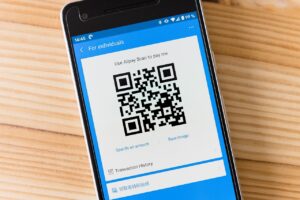
The development of mobile banking apps has been a significant advancement in online banking. These apps allow users to access their accounts and perform a variety of transactions directly from their smartphones. The introduction of mobile deposit features, where checks can be deposited by taking a photo of them, has been particularly popular. Mobile banking apps have also become more secure, with features like biometric login (fingerprint or facial recognition) and two-factor authentication. mobile banking apps
The impact of mobile banking apps on the banking industry cannot be overstated. They have made banking more accessible than ever, allowing users to manage their finances on the go. Here are some of the plus points of mobile banking apps: mobile banking apps
- Convenience: Mobile banking apps provide the ultimate in convenience, allowing users to check balances, transfer funds, and pay bills from anywhere.
- Security: With advanced security features like encryption and secure login processes, mobile banking apps are designed to protect user information.
- Accessibility: For those in areas with limited access to physical bank branches, mobile banking apps can be a lifeline, providing full banking services at their fingertips.
2. Implementation of Advanced Security Measures
Security is a top priority in online banking, and banks have been working to implement advanced security measures to protect user accounts. This includes the use of two-factor authentication, where a second form of verification (like a code sent to a phone) is required in addition to a password. Other measures include encryption of data, secure sockets layer (SSL) technology to safeguard transactions, and regular security updates to stay ahead of potential threats.
These security measures are vital for safeguarding user information and preventing cybercrime. Here are some plus points of advanced security measures in online banking:
- Protection Against Fraud: Advanced security measures significantly reduce the risk of fraud and unauthorized access to accounts.
- Peace of Mind: Knowing that accounts are well-protected gives users peace of mind, allowing them to use online banking services with confidence.
- Compliance with Regulations: Banks must comply with strict regulations regarding data protection and security, ensuring that user information is handled responsibly.
3. Introduction of Digital Wallets
Digital wallets, such as Apple Pay, Google Pay, and Samsung Pay, have become increasingly popular, allowing users to make payments with their smartphones. This technology uses near-field communication (NFC) to facilitate transactions, making it a convenient and secure way to pay for goods and services. Digital wallets can be linked to credit or debit cards, and in some cases, directly to bank accounts.
The integration of digital wallets with online banking has expanded the scope of financial services, offering users more flexibility in how they manage their money. Here are some plus points of digital wallets:
- Convenience: Digital wallets eliminate the need to carry physical cards, making transactions quicker and easier.
- Security: Transactions are secure, with the actual card number not being shared with the merchant, reducing the risk of card skimming and data breaches.
- Versatility: Digital wallets can be used for online transactions as well as in-store purchases, providing a universal payment method.
4. Development of Personal Financial Management Tools
Online banking platforms have started to include personal financial management (PFM) tools that help users track their spending, create budgets, and set financial goals. These tools can categorize transactions, provide spending insights, and offer recommendations for improving financial health. By integrating these tools into online banking, users can have a comprehensive view of their finances and make informed decisions about their money. Online banking platforms
PFM tools are a significant development in online banking, empowering users to take control of their financial lives. Here are some plus points of these tools: online banking empowering
- Financial Insight: PFM tools provide detailed insights into spending habits, helping users understand where their money is going.
- Goal Setting: Users can set and work towards specific financial goals, such as saving for a purchase or paying off debt.
- Personalized Advice: Based on user data, PFM tools can offer tailored advice on how to improve financial stability and achieve long-term goals.
5. Expansion of Online Customer Support
Banks have been expanding their online customer support services to better assist users with their banking needs. This includes live chat services, email support, and comprehensive FAQs sections on their websites. Additionally, many banks offer educational resources and guides to help users navigate online banking and understand various financial products and services.
The expansion of online customer support is a response to the growing demand for convenient and accessible banking services. Here are some plus points of enhanced online support:
- Accessibility: Users can get help at any time, without needing to visit a branch or wait for business hours.
- Convenience: Online support options save users time and effort, allowing them to resolve issues quickly and efficiently.
- Empowerment: By providing educational resources, banks empower users to make informed financial decisions and better manage their accounts.
The Impact on Consumers
✔ Increased Accessibility
Online banking has made financial services more accessible than ever, allowing users to manage their accounts from any location with an internet connection. This accessibility is particularly beneficial for those living in remote areas or with mobility issues, who may find it difficult to visit a physical bank branch.
✔ Enhanced Security
The advanced security measures implemented by banks provide users with a high level of protection against cyber threats and fraud. Two-factor authentication, encryption, and regular security updates are just a few examples of the measures in place to safeguard user information and transactions.
✔ Improved Efficiency Improved Efficiency
Online banking allows users to perform a wide range of transactions quickly and efficiently, saving time and effort. From paying bills to transferring funds, these tasks can be completed in a matter of minutes, reducing the need for physical visits to the bank. Online banking allows
✔ Personalized Financial Management Personalized Financial Management
With the integration of personal financial management tools into online banking, users can gain a deeper understanding of their financial situation and make more informed decisions about their money. These tools can help users set financial goals, track spending, and create budgets tailored to their needs. personal financial management
✔ Expanded Customer Support Expanded Customer Support
The expansion of online customer support services means that users can get help whenever they need it, without the constraints of traditional banking hours. Whether through live chat, email, or comprehensive FAQs, users have multiple channels through which to resolve issues or seek advice. online customer support
✔ Cost Savings
Online banking can help users save money by reducing the need for physical bank visits, which can involve travel costs and time off work. Additionally, many online banking services are free or low-cost, providing a more economical way to manage finances compared to traditional banking methods.
The Next 5 Years
- Predicted Growth in Mobile Payments
- Expansion of Artificial Intelligence in Banking
- Increased Focus on Digital Literacy
- Advancements in Biometric Security
- Greater Emphasis on Sustainability
Over the next five years, mobile payments are expected to continue their rapid growth, with more users adopting digital wallets and other mobile payment methods. This shift will be driven by the increasing convenience and security of mobile transactions.
As mobile payments become more prevalent, banks and financial institutions will need to adapt by offering more mobile-friendly services and enhancing the security of these transactions.
The use of artificial intelligence (AI) in banking is anticipated to expand significantly, with AI-powered chatbots and virtual assistants becoming more common. These technologies will help improve customer service, provide personalized financial advice, and enhance the overall user experience of online banking.
The integration of AI will also enable banks to better detect and prevent fraud, further securing user accounts and transactions.
There will be a growing emphasis on digital literacy, as banks and other organizations work to educate users about the safe use of online banking services and the importance of cybersecurity. This will include initiatives to teach users how to protect their personal and financial information online.
Improving digital literacy will be crucial for ensuring that all users can safely and effectively use online banking services, regardless of their age or technical background. Improving digital literacy
Biometric security, such as fingerprint, facial, and voice recognition, is expected to become even more prevalent in online banking. These methods offer a high level of security and convenience, as they eliminate the need for passwords and other traditional authentication methods. Biometric security such
The advancement of biometric security will further reduce the risk of fraud and unauthorized access to accounts, providing users with greater peace of mind when using online banking services. biometric security will
Finally, there will be a greater emphasis on sustainability in the banking sector, with a focus on reducing the environmental impact of financial services. This could involve the development of more energy-efficient data centers, the use of renewable energy sources, and initiatives to reduce paper waste. Finally there will
By prioritizing sustainability, banks can not only contribute to a healthier environment but also appeal to the growing number of consumers who prioritize environmental responsibility when choosing financial services.
| Year | Mobile Payment Users (Millions) | Online Banking Users (Millions) | Digital Wallet Adoption Rate (%) |
|---|---|---|---|
| 2023 | 1,200 | 2,500 | 30 |
| 2024 | 1,500 | 3,000 | 35 |
| 2025 | 1,800 | 3,500 | 40 |
| 2026 | 2,200 | 4,000 | 45 |
The Bottom Line
Online banking has revolutionized the way people manage their finances, offering a convenient, secure, and efficient way to perform a wide range of banking tasks. As technology continues to evolve, online banking services will become even more sophisticated, incorporating advancements in AI, biometric security, and digital wallets. By understanding the current state of online banking and its future developments, users can better navigate the digital banking landscape and make the most of the services available to them.
Here’s the key thing to understand: the future of online banking is about more than just transactions; it’s about providing users with a comprehensive financial management experience that is secure, accessible, and tailored to their individual needs. Most people miss this: online banking is not just a tool for managing accounts, but a gateway to a wide range of financial services and resources designed to empower users and help them achieve their financial goals.
By embracing the potential of online banking and staying informed about its developments, users can take control of their financial lives, making informed decisions and navigating the complex world of personal finance with confidence and ease.
Don't Miss These

Don't Stop Here