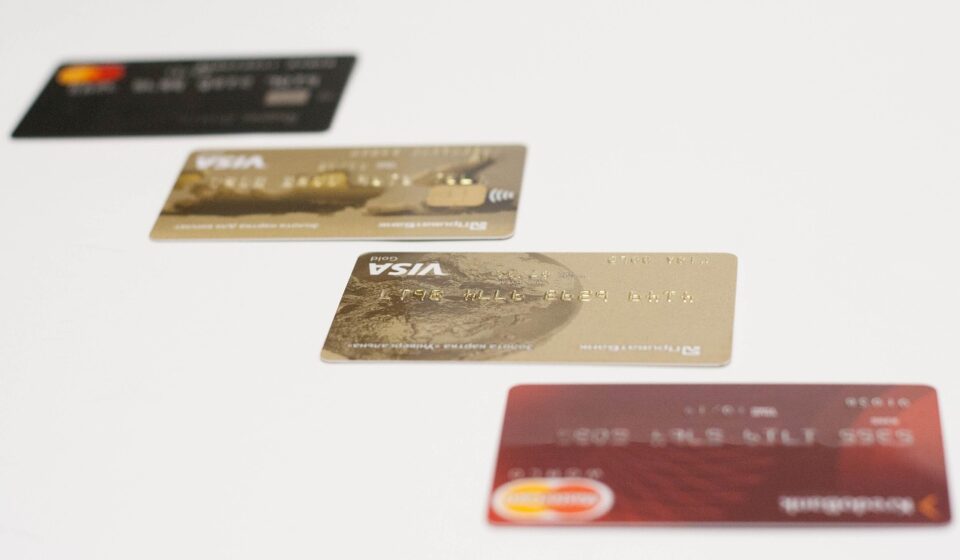

Most people approach credit card reviews with a simplistic mindset, thinking that a card with a high rewards rate or a lucrative sign-up bonus is automatically the best choice. However, this simplistic approach often leads to frustration and financial disappointment. Many individuals end up with credit cards that do not align with their spending habits or financial goals, leading to unnecessary debt and decreased credit scores. The lack of understanding about credit card terms, conditions, and benefits complicates the selection process. Moreover, the abundance of misleading or biased reviews further obscures the decision-making process.
📝 Table of Contents
Common Challenges With What Does Credit Card Reviews (Beginner Tips) Mean?
Poor Understanding of Credit Card Terms
A significant challenge beginners face is a poor understanding of credit card terms such as APR, interest rates, and fees. This lack of knowledge stems from the complexity of financial jargon and the failure of many review platforms to explain these terms in an accessible way. As a result, individuals may apply for credit cards without fully grasping the implications of these terms on their financial situation.
This happens because financial literacy is not always prioritized, and the intricacies of credit card agreements can be overwhelming for those without a background in finance. The consequence is that beginners might overlook critical details, such as late payment fees or balance transfer fees, which can significantly affect their credit score and financial stability.
Misleading or Biased Reviews
Another common challenge is the prevalence of misleading or biased reviews. Many reviews are sponsored or written by individuals with vested interests, leading to overly positive or negative assessments that do not accurately reflect the credit card’s benefits and drawbacks. This can deceive beginners into applying for a credit card that does not meet their needs or, conversely, deter them from a card that could be highly beneficial. Another common challenge
This issue arises because the internet is flooded with unverified reviews, and distinguishing between genuine feedback and promotional content can be difficult. The lack of transparency and regulation in online review platforms exacerbates the problem, making it challenging for beginners to find reliable and unbiased information. issue arises because
Failure to Consider Spending Habits
Beginners often fail to consider their spending habits when choosing a credit card. This oversight can result in selecting a card with rewards or benefits that do not align with their typical purchases, thereby diminishing the card’s value. For instance, someone who frequently travels should prioritize cards offering travel rewards, while someone who spends more on groceries should look for cards with cashback on supermarket purchases. Beginners often fail
This happens because the excitement of applying for a new credit card can lead individuals to focus on the card’s prestige or the allure of its rewards, rather than taking a step back to assess how the card will fit into their financial lifestyle. Without considering spending habits, beginners might end up with a credit card that does not maximize their rewards potential or, worse, leads to overspending in categories where they would not normally spend much. rewards rather than
Insufficient Research on Credit Card Issuers
Insufficient research on credit card issuers is another challenge. Beginners might overlook the issuer’s customer service reputation, the ease of use of their online platform, and their policies regarding credit limit increases or hardship programs. This lack of research can lead to frustrating experiences down the line, especially if issues arise with the account.
This occurs because researching credit card issuers requires time and effort, involving reading reviews, checking ratings with the Better Business Bureau, and sometimes even contacting customer service to gauge their responsiveness. Without this research, beginners might find themselves with a credit card from an issuer that does not meet their expectations or needs, leading to dissatisfaction and potential financial harm.
Not Understanding Credit Scores and Reports
A final challenge is the lack of understanding about credit scores and reports. Beginners may not realize how applying for multiple credit cards can affect their credit score or may not know how to interpret their credit report. This lack of understanding can lead to unnecessary inquiries on their credit report, potentially lowering their credit score and making it harder to secure favorable credit terms in the future.
This knowledge gap exists because the mechanics of credit scoring and the importance of credit reports are not widely taught or understood. As a result, beginners might engage in behaviors that inadvertently harm their credit, such as applying for too many credit cards in a short period or failing to monitor their credit report for errors.
Key Credit Card Advancements
1. Introduction to Credit Card Comparison Tools
The introduction of credit card comparison tools has revolutionized how beginners can approach credit card reviews. These tools allow for the side-by-side comparison of various credit cards based on their features, rewards, APR, and fees. By using these tools, individuals can make more informed decisions tailored to their financial situation and goals. Implementing this solution involves researching and identifying reputable comparison websites or platforms that offer unbiased and comprehensive comparisons. credit card comparison
Beginners can implement this by first identifying their priorities in a credit card, whether it be low APR, no annual fee, or specific rewards categories. Then, they can use comparison tools to filter credit cards based on these criteria, narrowing down their options to the most suitable cards. This process saves time and reduces the overwhelm associated with navigating numerous credit card options. first identifying their
- What You Gain: find out more
- Time efficiency in researching credit cards
- A more personalized and tailored approach to finding the right credit card
- Improved financial decision-making through data-driven comparisons
2. Enhanced Credit Score Education
Enhanced credit score education is crucial for beginners. This involves understanding how credit scores are calculated, the factors that influence them, and how to maintain or improve one’s credit score. By grasping these concepts, individuals can avoid common pitfalls such as excessive inquiries or late payments that can negatively affect their credit score.
Implementing this solution requires accessing educational resources, such as financial blogs, credit counseling services, or online courses that focus on credit score management. Beginners can also take advantage of free credit score checks provided by many credit card issuers or credit reporting agencies to monitor their score regularly.
- What You Gain:
- A deeper understanding of credit score mechanics
- Improved credit management skills
- Enhanced financial stability and credibility
3. Utilization of Budgeting and Tracking Apps
The utilization of budgeting and tracking apps is a significant advancement for managing credit card spending. These apps allow beginners to track their expenses, set budgets, and receive alerts when they are nearing their credit limit or have incurred fees. By using these tools, individuals can better manage their finances, avoid overspending, and ensure they are maximizing their credit card rewards. managing credit card
Implementing this solution involves selecting a reputable and user-friendly budgeting app that integrates with their credit card accounts. Beginners should explore the app’s features, such as automated expense categorization, budgeting templates, and bill tracking, to understand how it can help them manage their credit card usage more effectively. solution involves selecting
- What You Gain: see the full details
- Improved financial organization and oversight
- Enhanced control over spending and credit utilization
- Personalized budgeting recommendations for better financial health
Improved financial organization
4. Access to Unbiased Review Platforms
Access to unbiased review platforms is vital for beginners. These platforms provide honest and detailed reviews of credit cards, highlighting their pros and cons, and offering insights from existing cardholders. By consulting these reviews, individuals can gain a more accurate understanding of a credit card’s benefits and drawbacks.
Implementing this solution requires identifying reputable review websites or forums that are known for their impartiality and thoroughness. Beginners should look for platforms that disclose their review methodology, encourage user feedback, and update their reviews regularly to reflect changes in credit card terms or services.
- What You Gain:
- More accurate and trustworthy information about credit cards
- A broader perspective on the strengths and weaknesses of each card
- Increased confidence in making informed credit card decisions
5. Introduction of Simulated Credit Card Scenarios
The introduction of simulated credit card scenarios is an advancement that helps beginners understand the potential outcomes of their credit card choices. These simulations can model different spending habits, credit limits, and repayment schedules, providing a preview of how a particular credit card might perform under various conditions. simulated credit card
Implementing this solution involves finding online tools or calculators that offer credit card scenario simulations. Beginners should input their financial data and preferences into these tools to see how different credit cards might impact their finances over time. This hands-on approach helps in making more realistic and informed decisions. solution involves finding
- What You Gain: learn more about this
- A proactive approach to understanding credit card implications
- Personalized financial forecasts based on simulated scenarios
- Improved ability to anticipate and manage credit card-related expenses
6. Credit Card Issuer Transparency Initiatives
Finally, credit card issuer transparency initiatives are key advancements. These initiatives involve issuers providing clear, concise information about their credit cards, including terms, fees, and rewards structures. This transparency empowers beginners to make more informed decisions, as they have a complete understanding of what they are applying for.
Implementing this solution requires beginners to look for credit card issuers that prioritize transparency. This can involve reading the fine print of credit card agreements, looking for issuers that offer straightforward and easy-to-understand explanations of their terms, and seeking out issuers that have been recognized for their transparency and customer service.
- What You Gain:
- Clear understanding of credit card terms and conditions
- Reduced risk of hidden fees or unexpected charges
- Increased trust in the credit card issuer and the financial system
Comparison of Old and New Approaches
| Approach | Old Way | Better Way | Result |
|---|---|---|---|
| Research | Manual search through numerous websites | Utilization of credit card comparison tools | Faster and more accurate identification of suitable credit cards |
| Understanding Credit Scores | Limited knowledge and occasional checks | Regular monitoring and education on credit score management | Improved credit scores and better financial health |
| Reviewing Credit Card Terms | SUPERFICALLY reading the fine print | Thorough analysis and understanding of terms and conditions | More informed decisions and avoidance of hidden fees |
| Tracking Expenses | Manual tracking or lack thereof | Use of budgeting and tracking apps | Enhanced financial organization and control over spending |
| Simulating Credit Card Scenarios | No simulation or forecasting | Use of online tools for scenario simulations | Proactive financial planning and anticipation of outcomes |
Practical Takeaways
For Emily, using credit card comparison tools was a big deal. She was able to find a card that perfectly matched her spending habits and financial goals, resulting in significant savings and rewards. By taking the time to research and compare, Emily avoided the common pitfall of applying for a credit card based on misleading advertising.
David learned the importance of understanding credit scores the hard way. After experiencing a decline in his credit score due to lack of knowledge, he dedicated himself to learning about credit management. Now, he regularly monitors his score and has seen a substantial improvement, enabling him to secure better credit card offers.
Sarah’s experience with budgeting apps transformed her financial life. By tracking her expenses and staying on top of her budget, she was able to pay off her credit card debt and start building savings. The app’s alerts and reminders also helped her avoid late fees and interest charges.
Mark benefited greatly from accessing unbiased review platforms. He found a credit card with features that perfectly suited his travel habits, thanks to the detailed reviews from other users. The card’s travel rewards and insurance benefits have since saved him a significant amount of money on his trips. Mark benefited greatly
After utilizing simulated credit card scenarios, Rachel was able to predict and prepare for potential financial outcomes. She chose a credit card with a 0% introductory APR, which allowed her to pay off a large purchase over time without incurring interest. This proactive approach saved her hundreds of dollars and reduced her financial stress. After utilizing simulated
Step-by-Step Action Plan
- Start by identifying your financial goals and spending habits to determine what you need in a credit card, because understanding your own financial situation is crucial for making the right choice.
- Research and utilize credit card comparison tools to find cards that align with your needs, as these tools provide a comprehensive and unbiased view of various credit cards.
- Educate yourself on credit scores and how to maintain or improve them, because a good credit score can significantly lower your interest rates and improve your credit card terms.
- Choose budgeting and tracking apps that fit your financial management style, as these tools can help you stay organized and in control of your spending.
- Look for unbiased review platforms to get a genuine insight into the pros and cons of different credit cards, because these reviews can provide valuable information from experienced users.
- Utilize online tools for simulating credit card scenarios to anticipate potential financial outcomes, as this proactive approach can help you make informed decisions and avoid financial pitfalls.
- Finally, prioritize transparency when selecting a credit card issuer, because clear and straightforward information is essential for making informed decisions and avoiding hidden fees or charges.
Closing Thoughts
Navigating the world of credit card reviews as a beginner can be daunting, but with the right approach and knowledge, it can also be highly rewarding. By understanding the common challenges, embracing key advancements, and following a step-by-step action plan, individuals can make informed decisions that improve their financial stability and maximize their rewards.
The future of credit card management will undoubtedly involve more technology-driven solutions and increased transparency from issuers. As beginners become more savvy and demand better from their credit cards, the industry will continue to evolve, offering more tailored and beneficial products.
Ultimately, the key to successfully navigating credit card reviews and choosing the right card lies in education, research, and a proactive approach to financial management. By taking control of their financial literacy and utilizing the tools and resources available, beginners can turn the often-overwhelming process of selecting a credit card into an empowering and financially rewarding experience.
Related Articles


One More Thing