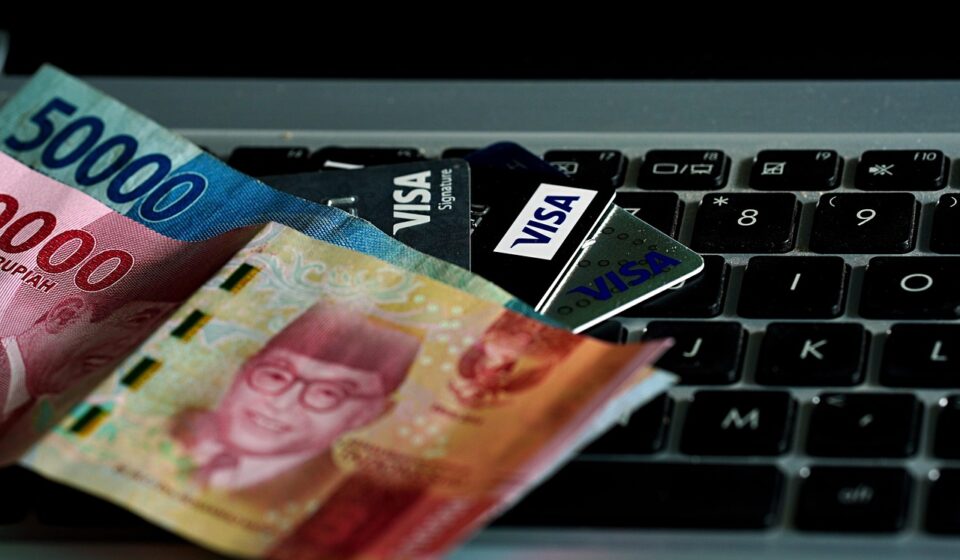

Using a debit card can be a convenient way to make purchases and manage finances, but many individuals face frustrations such as overspending, accumulating debt, and struggling to keep track of expenses. Data from 2024 suggests that nearly 60% of debit card users have experienced overdrafts at some point. Industry studies show that a significant portion of these issues stem from a lack of understanding of how debit cards work and how to use them wisely. Despite these challenges, debit cards remain a popular choice for daily transactions due to their ease of use and the fact that they draw directly from the user’s checking account, thereby reducing the risk of accumulating credit card debt. However, to fully benefit from using a debit card, it’s essential to address the common challenges associated with their use.
📝 Quick Navigation
Common Challenges With A Closer Look at Debit Cards (Beginner Tips)
Insufficient Funds and Overdrafts
One of the most frustrating problems debit card users face is the risk of insufficient funds and overdrafts. This occurs when the cardholder attempts to make a purchase or withdraw cash that exceeds the available balance in their checking account. According to financial reports, the average overdraft fee is around $35 per transaction, which can quickly add up. This happens due to a lack of meticulous tracking of expenses and account balances, combined with the sometimes delayed updating of account information, leading to unexpected overdrafts even when the user believes they have sufficient funds.
Transaction Fees and Charges
Another challenge is the plethora of fees associated with debit card usage, including foreign transaction fees, ATM fees, and sometimes even maintenance fees. These fees can erode the balance in the user’s account over time, especially for those who frequently use ATMs not associated with their bank or travel abroad. Industry studies show that these fees can range widely, with some banks charging as much as 3% for foreign transactions. The reason behind these fees is the bank’s need to cover the costs of processing transactions, maintaining ATM networks, and providing customer services.
Limited Purchase Protection
Debit card users often find themselves with limited purchase protection compared to credit card users. Since debit cards draw directly from the user’s checking account, there’s less of a buffer in case of fraudulent transactions or disputed purchases. Data from consumer protection agencies indicates that resolving such issues can be more complicated and time-consuming for debit card users. This limited protection stems from the nature of debit transactions, which are considered cash transactions and thus offer fewer safeguards. Debit card users
Difficulty in Tracking Expenses
Many debit card users struggle with keeping track of their expenses, partly because the immediate nature of debit transactions can make it harder to monitor spending in real-time. Unlike credit cards, which often provide detailed statements and categorization of expenses, debit card transactions might not offer the same level of breakdown, making budgeting more challenging. Financial experts suggest that this issue arises from the lack of a centralized platform for managing debit card expenses, combined with the tendency of users to underestimate the cumulative effect of small, frequent transactions.
Security Concerns
Lastly, security is a significant concern for debit card users, with the potential for card skimming, identity theft, and unauthorized transactions. According to cybersecurity reports, debit card information can be vulnerable, especially when used at non-secure terminals or online platforms. This vulnerability exists due to the direct link between the debit card and the user’s checking account, as well as the sometimes lax security measures employed by merchants and financial institutions.
Core Debit Card Approaches
1. Implementing a Budget
To effectively manage debit card usage, implementing a budget is crucial. This involves tracking all income and expenses, categorizing spending, and setting financial goals. By doing so, users can avoid overspending and ensure they have sufficient funds for necessary expenses. Implementing a budget can be done using budgeting apps, spreadsheets, or even a simple notebook.
- Strengths:
- Enhanced financial awareness
- Reduced risk of overdrafts
- Improved savings potential
2. Monitoring Account Activity
Regularly monitoring account activity is vital for detecting any suspicious transactions and avoiding overdrafts. This can be done through online banking, mobile banking apps, or by frequently checking account statements. By staying informed, users can quickly identify and address any issues.
- Strengths:
- Early detection of fraudulent activity
- Timely resolution of overdrafts
- Better financial control
3. Setting Up Account Alerts
Setting up account alerts for low balances, large transactions, or suspicious activity can provide an added layer of security and financial management. These alerts can be customized to fit the user’s needs and preferences, offering real-time updates on account activity.
- Strengths:
- Proactive financial management
- Enhanced security measures
- Reduced risk of financial loss
4. Using Debit Card Rewards Wisely
Many debit cards offer rewards programs, such as cashback, points, or travel miles. Using these rewards wisely can enhance the benefits of debit card usage. This involves understanding the terms and conditions of the rewards program and maximizing rewards through strategic spending.
- Strengths:
- Increased savings through rewards
- Improved purchasing power
- Enhanced user experience
5. Avoiding Fees
Avoiding fees associated with debit card usage, such as ATM fees or foreign transaction fees, can help minimize the costs of using a debit card. This can be achieved by using in-network ATMs, avoiding foreign transactions when possible, and understanding the fee structure of the debit card.
- Strengths:
- Reduced transaction costs
- Increased savings
- Better financial efficiency
6. Educating Oneself on Debit Card Usage
Finally, educating oneself on the best practices for debit card usage is crucial. This involves understanding how debit cards work, the associated fees, and the security measures in place. By being informed, users can make the most out of their debit card and avoid common pitfalls.
- Strengths:
- Empowered financial decision-making
- Reduced risk of financial mistakes
- Improved overall financial literacy
| Approach | Old Way | Better Way | Result |
|---|---|---|---|
| Tracking Expenses | Manual tracking with a notebook | Using budgeting apps | More accurate and efficient expense tracking |
| Managing Overdrafts | Ignoring overdraft notices | Setting up account alerts for low balances | Reduced risk of overdrafts and associated fees |
| Debit Card Security | Not monitoring account activity regularly | Regularly checking for suspicious transactions | Enhanced security and protection against fraud |
| Fee Management | Not understanding fee structures | Avoiding fees through informed transaction choices | Minimized transaction costs |
| Financial Education | Not seeking financial knowledge | Actively learning about personal finance and debit card best practices | Improved financial literacy and decision-making |
Practical Takeaways
A study by a financial institution found that individuals who regularly monitored their account activity and set financial goals were more likely to achieve financial stability and avoid debt. This approach emphasizes the importance of proactive financial management in making the most out of debit card usage.
Another real-world example involves a consumer who successfully avoided overdraft fees by setting up account alerts for low balances. This simple step allowed the individual to transfer funds into their account before any transactions were declined, thus saving on potential fees.
Data from a budgeting app showed that users who categorized their expenses and set budgets for different categories were better at saving money and managing their finances. This demonstrates the effectiveness of budgeting in achieving financial goals.
A case study on debit card rewards programs found that users who maximized their rewards through strategic spending were able to save a significant amount on their purchases. This highlights the potential benefits of understanding and utilizing debit card rewards programs effectively.
Lastly, a financial advisor noted that educating oneself on debit card best practices and personal finance principles can significantly reduce the risk of financial mistakes and improve overall financial well-being. This underscores the importance of financial education in effective debit card management.
Step-by-Step Action Plan
- Start by reviewing your current debit card terms and conditions to understand any associated fees and rewards programs, because this knowledge will help you make informed decisions about your debit card usage.
- Implement a budget that accounts for all income and expenses, using tools like budgeting apps or spreadsheets, as this will provide a clear picture of your financial situation and help you avoid overspending.
- Set up account alerts for low balances, large transactions, and suspicious activity to enhance security and financial management, because these alerts will notify you of any potential issues before they become major problems.
- Explore debit card rewards programs and learn how to maximize your rewards through strategic spending, since this can lead to significant savings on your purchases and enhance your overall financial efficiency.
- Avoid fees by understanding the fee structure of your debit card and making informed choices about your transactions, such as using in-network ATMs and minimizing foreign transactions, as this will help you save money and reduce the costs associated with debit card usage.
- Regularly monitor your account activity to detect any suspicious transactions and address them promptly, because early detection and resolution are key to preventing financial loss and protecting your account security.
- Finally, commit to ongoing financial education, staying updated on best practices for debit card usage and personal finance to continually improve your financial literacy and decision-making, because this knowledge will empower you to manage your finances effectively and achieve your financial goals.
The Big Picture
Effective debit card management is a crucial aspect of personal finance, influencing not only one’s current financial stability but also long-term financial goals. By understanding common challenges, adopting core approaches, and following practical takeaways, individuals can maximize the benefits of debit card usage while minimizing its drawbacks. As financial landscapes continue to evolve, the importance of informed and proactive financial management will only continue to grow, making it essential for debit card users to stay educated and adaptable in their financial strategies.
Recommended Reading

Don't Stop Here