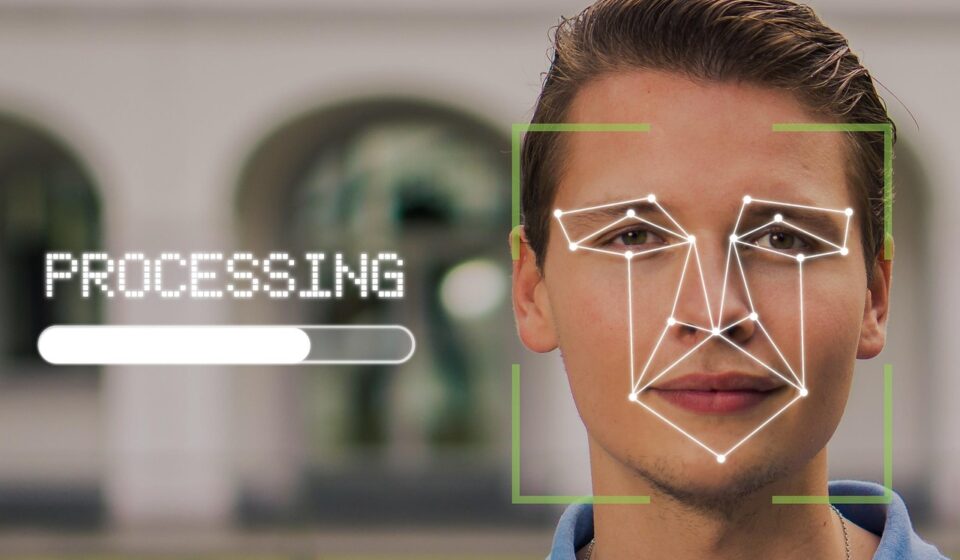

Biometric authentication has been gaining significant attention in recent years due to its potential to revolutionize the way we secure our identities and data. With the rise of digital technologies, security breaches have become more common, highlighting the need for more robust and reliable authentication methods. Biometric authentication, which uses unique physical or behavioral characteristics such as fingerprints, facial recognition, or voice recognition, offers a promising solution. This technology has been increasingly adopted in various sectors, from finance and healthcare to border control and law enforcement. As its applications continue to expand, understanding the intricacies of biometric authentication becomes essential. Here’s the key thing to understand: biometric authentication is not just about security; it’s also about convenience and user experience.
The integration of biometric authentication into daily life is becoming more prevalent, with many organizations and individuals recognizing its potential to enhance security without compromising usability. Most people miss this point, but the future of authentication is closely tied to how seamlessly and securely biometric technologies can be integrated into existing systems. The current momentum behind biometric authentication suggests that it is here to stay, with ongoing research and development aimed at improving its accuracy, speed, and applicability. As technology advances, we can expect to see even more sophisticated and user-friendly biometric authentication systems.
Given the rapid evolution of biometric technologies, staying informed about the latest developments and trends is crucial for anyone interested in security, technology, or both. Whether it’s for personal use, professional applications, or simply to stay ahead of the curve, understanding biometric authentication is no longer a niche interest but a mainstream concern. The benefits of biometric authentication are multifaceted, ranging from enhanced security to improved user experience, making it an attractive solution for a wide range of needs.
As the world becomes increasingly digital, the demand for secure, efficient, and convenient authentication methods will only continue to grow. Biometric authentication is poised to meet this demand, offering solutions that are both highly secure and remarkably user-friendly. Here’s the key thing to understand: the future of security is not just about protecting data but also about creating a seamless user experience. With biometric authentication, the line between security and convenience is becoming increasingly blurred, promising a future where both are effortlessly intertwined.
Moreover, the versatility of biometric authentication means it can be applied in various contexts, from high-security facilities to everyday consumer devices. This versatility, combined with its potential for high security and low friction, makes biometric authentication an exciting and rapidly evolving field. As research and development continue to push the boundaries of what is possible, we can expect to see even more innovative applications of biometric technologies in the years to come.
📝 What You'll Learn
Understanding Biometric Authentication
Biometric authentication refers to the use of unique physical or behavioral characteristics to verify an individual’s identity. This can include a wide range of biometric identifiers, such as fingerprints, facial features, iris scans, voice patterns, and even behavioral biometrics like gait or keystroke dynamics. The core principle behind biometric authentication is that these characteristics are unique to each individual, making them highly effective for identity verification purposes.
The process of biometric authentication involves several key steps, starting with enrollment, where an individual’s biometric data is first captured and stored. This data is then used to create a unique template or profile that is associated with the individual’s identity. When the individual attempts to access a secure system or resource, their biometric data is captured again and compared to the stored template. If the two match, the individual is authenticated and granted access. biometric authentication involves
One of the critical aspects of biometric authentication is its ability to provide a high level of security without the need for traditional authentication methods like passwords or PINs. Since biometric characteristics are unique and difficult to replicate, they offer a significant advantage over traditional authentication methods, which can be vulnerable to hacking, phishing, or other forms of exploitation. traditional authentication methods
| Biometric Modality | Description | Accuracy | Usage |
|---|---|---|---|
| Fingerprint Recognition | Uses unique patterns on an individual’s fingertips for identification. | High | Smartphones, border control, and access control systems. |
| Facial Recognition | Identifies individuals based on unique facial features. | Very High | Security and surveillance systems, social media, and mobile devices. |
| Iris Scanning | Scans the iris to identify an individual based on its unique pattern. | Extremely High | High-security access control, border crossings, and national ID programs. |
| Voice Recognition | Identifies individuals based on the unique characteristics of their voice. | High | Virtual assistants, customer service systems, and forensic analysis. |
Understanding the different types of biometric modalities and their applications is crucial for implementing effective biometric authentication systems. Each modality has its strengths and weaknesses, and the choice of which to use depends on the specific security needs and constraints of the application. For instance, fingerprint recognition is widely used in consumer electronics due to its convenience and relatively low cost, while iris scanning is preferred in high-security environments due to its extremely high accuracy. implementing effective biometric
Key Biometric Authentication Advancements
Biometric Authentication Advancements
Advancements in Facial Recognition Technology
Facial recognition technology has seen significant advancements in recent years, with improvements in accuracy, speed, and the ability to recognize faces in various conditions. This has made facial recognition a popular choice for both security and convenience applications. The technology uses complex algorithms to map and analyze facial features, allowing for precise identification of individuals.
One of the key advancements in facial recognition is the development of deep learning-based systems. These systems can learn from large datasets and improve their accuracy over time, making them highly effective in real-world applications. Additionally, advancements in hardware, such as the development of high-resolution cameras and specialized processing units, have further enhanced the capabilities of facial recognition technology.
- What You Gain:
- Enhanced security through highly accurate identification.
- Convenience, as facial recognition can be used for seamless authentication on devices and in various applications.
- Efficiency, as facial recognition systems can process and identify individuals quickly, making them ideal for high-volume applications.
Improvements in Fingerprint Recognition
Fingerprint recognition has been a staple of biometric authentication for many years, and recent advancements have further improved its accuracy and usability. One of the significant improvements has been the development of fingerprint sensors that can capture high-quality images of fingerprints, even in less-than-ideal conditions.
Additionally, advances in fingerprint matching algorithms have enhanced the speed and accuracy of fingerprint recognition systems. This has made fingerprint recognition a reliable and widely adopted method for securing devices, data, and physical access control systems.
- What You Gain:
- Robust security, as fingerprint recognition is highly resistant to spoofing attempts.
- Wide availability, as fingerprint sensors are commonly integrated into consumer electronics and access control systems.
- User convenience, as fingerprint recognition provides a quick and easy method for authentication.
Development of Iris Scanning Technology
Iris scanning technology has emerged as one of the most accurate biometric modalities, with the potential to provide unparalleled security. The unique patterns of the iris make it an ideal identifier, and advancements in iris scanning technology have made it possible to capture and analyze these patterns with high precision. Iris scanning technology
The development of iris scanning technology has been driven by the need for high-security authentication solutions. Iris scanning offers extreme accuracy, making it suitable for applications where security is paramount, such as border control, high-security facilities, and national ID programs. iris scanning technology
- What You Gain: see what this offers
- Extremely high security, as iris patterns are unique and difficult to replicate.
- Reliability, as iris scanning systems can operate effectively in various lighting conditions.
- Long-term viability, as iris patterns remain stable over an individual’s lifetime, making them a reliable identifier.
Advancements in Voice Recognition Technology
Voice recognition technology has seen significant advancements, driven by the development of artificial intelligence and machine learning algorithms. These advancements have improved the accuracy and usability of voice recognition systems, making them suitable for a wide range of applications, from virtual assistants to security systems.
The ability of voice recognition technology to identify individuals based on the unique characteristics of their voice has made it a valuable tool for security and authentication. Additionally, voice recognition offers a convenient method for interaction with devices and systems, further enhancing user experience.
- What You Gain:
- Convenience, as voice recognition provides a hands-free method for authentication and interaction.
- Enhanced security, as voice recognition can be used to verify identities in real-time.
- Accessibility, as voice recognition systems can be designed to assist individuals with disabilities.
Integration of Behavioral Biometrics
Behavioral biometrics, which analyze patterns of human behavior such as gait, keystroke dynamics, or mouse movements, have emerged as a new frontier in biometric authentication. These modalities offer a unique approach to security, focusing on how individuals behave rather than physical characteristics.
The integration of behavioral biometrics into authentication systems provides an additional layer of security, as these characteristics are difficult to mimic or steal. Additionally, behavioral biometrics can offer continuous authentication, monitoring user behavior over time to detect any anomalies that may indicate a security breach.
- What You Gain:
- Enhanced security through continuous monitoring of user behavior.
- Convenience, as behavioral biometrics can provide seamless and invisible authentication.
- Flexibility, as behavioral biometrics can be combined with other biometric modalities for multi-factor authentication.
Why People Are Paying Attention
✔ Enhanced Security Enhanced Security
Biometric authentication offers a significant improvement in security compared to traditional authentication methods. The use of unique physical or behavioral characteristics makes it difficult for attackers to gain unauthorized access, thereby protecting sensitive information and resources. This heightened security is a primary reason why organizations and individuals are adopting biometric authentication. Biometric authentication offers
✔ Convenience and Usability
Biometric authentication provides a convenient and user-friendly experience. It eliminates the need to remember passwords or carry physical tokens, making it easier for users to access secure systems and data. This convenience factor is crucial in today’s digital age, where ease of use is a significant determinant of user adoption and satisfaction.
✔ Accuracy and Reliability
The accuracy and reliability of biometric authentication are among its most compelling benefits. Biometric characteristics are unique to each individual, reducing the risk of false positives or negatives. This accuracy ensures that authorized individuals can access secure resources without hindrance, while unauthorized attempts are effectively deterred.
✔ Cost-Effectiveness
Over time, biometric authentication can prove to be cost-effective. While the initial investment in biometric technology might seem high, the long-term savings from reduced support costs, minimized security breaches, and improved user productivity can be significant. Additionally, the convenience and security provided by biometric authentication can lead to increased user satisfaction and loyalty.
✔ Versatility and Scalability
Biometric authentication solutions are versatile and can be scaled to meet the needs of different organizations and applications. Whether it’s for securing consumer devices, controlling access to physical facilities, or protecting sensitive data, biometric authentication can be tailored to fit various security requirements and user bases.
✔ Future-Proofing
Finally, biometric authentication is seen as a future-proof solution. As technology continues to evolve, biometric modalities are likely to become even more sophisticated, offering higher levels of security and convenience. Investing in biometric authentication now can future-proof an organization’s security infrastructure, preparing it for the challenges and opportunities of tomorrow.
What to Expect Next
- Further advancements in facial recognition technology, including improved accuracy in various lighting conditions and the ability to recognize faces from different angles.
- Increased adoption of iris scanning technology in high-security environments, driven by its high accuracy and resistance to spoofing attempts.
- Integration of behavioral biometrics into more authentication systems, providing continuous verification of user identities and enhancing overall security.
- Development of more sophisticated anti-spoofing techniques to counter emerging threats and ensure the integrity of biometric authentication systems.
- Greater emphasis on the ethical use of biometric data, including stricter regulations and guidelines for the collection, storage, and use of biometric information.
This is expected to enhance the usability and security of facial recognition systems, making them more suitable for a wide range of applications. As the technology improves, we can anticipate seeing facial recognition used in more consumer electronics and security systems.
Iris scanning is poised to become a standard in high-security applications due to its unparalleled accuracy. As the technology becomes more accessible and cost-effective, its adoption is expected to spread across various sectors, including government, finance, and healthcare. technology becomes more
The integration of behavioral biometrics will offer an additional layer of security, monitoring user behavior to detect any anomalies that may indicate a security breach. This continuous authentication approach will become more prevalent, especially in applications where security is paramount. behavioral biometrics will
more sophisticated antispoofing
As biometric authentication becomes more widespread, the need for robust anti-spoofing measures will grow. Researchers and developers are expected to focus on creating sophisticated techniques to detect and prevent spoofing attempts, further securing biometric authentication systems. biometric authentication becomes
Concerns about privacy and the ethical use of biometric data will continue to grow. In response, governments and regulatory bodies are likely to establish clearer guidelines and regulations to ensure that biometric data is handled responsibly and with respect for individual privacy.
| Biometric Modality | Current Adoption Rate | Projected Growth | Key Applications |
|---|---|---|---|
| Fingerprint Recognition | High | Stable | Consumer Electronics, Access Control |
| Facial Recognition | Growing | Rapid | Security and Surveillance, Social Media |
| Iris Scanning | Limited | Increasing | High-Security Environments, National ID Programs |
| Voice Recognition | Expanding | Moderate | Virtual Assistants, Customer Service Systems |
Wrapping Up
Biometric authentication represents a significant shift in how we approach security and identity verification. With its unique blend of high security, convenience, and usability, biometric authentication is poised to revolutionize the way we interact with secure systems and data. As the technology continues to evolve, we can expect to see even more innovative applications of biometric authentication, further enhancing our digital lives and protecting our identities.
The future of biometric authentication looks promising, with ongoing research and development focused on improving its accuracy, speed, and applicability. As we move forward, it will be essential to address the ethical and regulatory aspects of biometric data collection and use, ensuring that these powerful technologies are used responsibly and for the benefit of society.
To wrap up, biometric authentication is not just a trend but a transformative force in the field of security and identity verification. Its impact will be felt across various sectors, from consumer electronics to high-security facilities, offering a future where security and convenience are no longer mutually exclusive but intertwined aspects of our daily lives.
Similar Posts Worth Reading


What's Next?


