
Getting Started with Contactless Payments
Are you considering using contactless payments for your daily transactions? Have you ever wondered how they work and what benefits they offer? Whether you’re a tech enthusiast or just looking for a more convenient way to pay, contactless payments are an option worth exploring. With the rise of digital wallets and contactless credit cards, making payments has never been easier. As a beginner, it’s essential to understand the basics of contactless payments and how they can simplify your daily transactions.
📝 In This Post
The Basics of Contactless Payments
Contactless payments refer to transactions made using a device – such as a credit card, smartphone, or smartwatch – that uses radio frequency identification (RFID) or near-field communication (NFC) technology to communicate with a payment terminal, allowing for the transfer of funds without the need for physical contact, such as swiping or inserting a card.
| Term | Plain-English Meaning |
|---|---|
| NFC | Near-field communication – a technology allowing devices to communicate when in close proximity to each other. |
| RFID | Radio frequency identification – a method using radio waves to read and capture information stored on a tag attached to an object. |
| Digital Wallet | An electronic device or software that stores payment information, such as credit or debit card details, for making transactions. |
| Contactless Card | A type of payment card that uses RFID or NFC technology to make transactions without needing to be inserted into a payment terminal. |
| Tokenization | A process of replacing sensitive payment information with a unique, non-sensitive equivalent – known as a token – to secure transactions. |
| Biometric Authentication | A security process using unique physical characteristics – such as fingerprints or facial recognition – to verify a user’s identity. |
Why Contactless Payments Matter
Contactless payments offer numerous benefits to both consumers and businesses. For consumers, they provide a convenient and fast way to make transactions, reducing the need to carry cash or physically interact with payment terminals. According to a recent study, over 50% of consumers prefer using contactless payments for transactions under $25, highlighting their appeal for everyday purchases.
Businesses also benefit from contactless payments as they can lead to increased customer satisfaction and reduced wait times, resulting in higher sales volumes. For instance, a coffee shop implementing contactless payments saw a 15% increase in transactions during peak hours, demonstrating the potential impact on business operations.
Moreover, contactless payments enhance security by using tokenization and biometric authentication to protect sensitive payment information. This reduces the risk of data breaches and fraudulent transactions, providing peace of mind for both consumers and businesses. With the rise of digital wallets and contactless credit cards, the security of contactless payments continues to improve, making them a reliable option for daily transactions.
Core Contactless Payment Approaches
1. Setting Up a Digital Wallet
Setting up a digital wallet involves downloading and installing a digital wallet app on a compatible device, then adding payment methods – such as credit or debit cards – to the wallet. To use a digital wallet, simply open the app, select the desired payment method, and hold the device near the payment terminal to complete the transaction. A common beginner mistake is not ensuring the device has NFC capabilities before attempting to use a digital wallet. digital wallet involves
Plus Points:
- Convenience: Digital wallets allow for easy access to multiple payment methods in one place.
- Security: Digital wallets often include advanced security features, such as tokenization and biometric authentication, to protect payment information.
2. Using a Contactless Credit Card
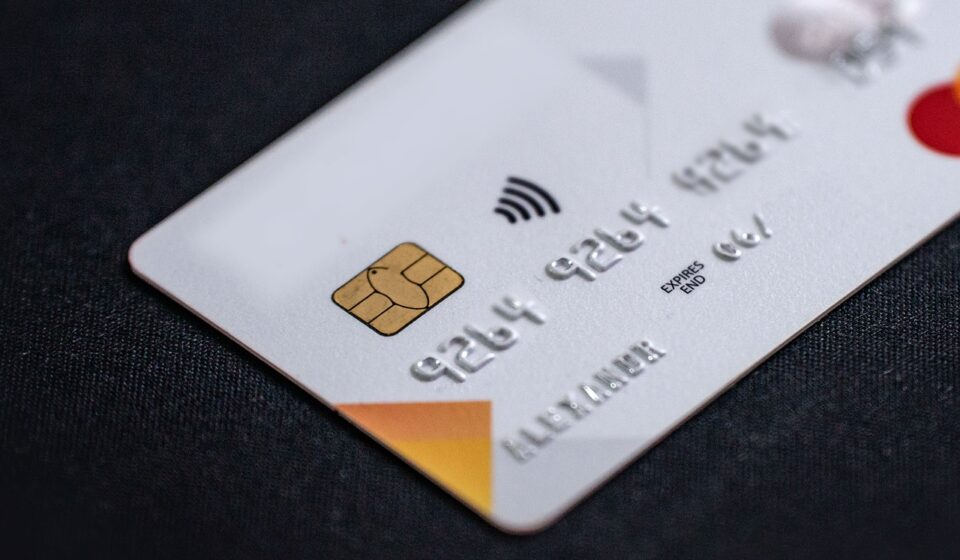
Using a contactless credit card involves making a transaction by tapping the card on a payment terminal, similar to using a digital wallet. To use a contactless credit card, ensure the card is enabled for contactless payments and the payment terminal supports contactless transactions. A common mistake is not checking the card’s contactless payment limit before making a transaction.
Plus Points:
- Wide Acceptance: Contactless credit cards are widely accepted at merchants that support contactless payments.
- Easy to Use: Contactless credit cards are simple to use, requiring only a tap on the payment terminal to complete a transaction.
3. Implementing Biometric Authentication
Implementing biometric authentication involves setting up a biometric authentication method – such as facial recognition or fingerprint scanning – to secure a device or digital wallet. To implement biometric authentication, follow the device’s or digital wallet’s instructions for setting up the desired biometric authentication method. A common beginner mistake is not ensuring the biometric authentication method is properly set up before attempting to use it.
Plus Points:
- Enhanced Security: Biometric authentication provides an additional layer of security to protect payment information.
- Convenience: Biometric authentication can be faster and more convenient than traditional authentication methods.
4. Understanding Transaction Limits
Understanding transaction limits involves being aware of the maximum amount that can be spent using a contactless payment method in a single transaction. To understand transaction limits, check the terms and conditions of the contactless payment method being used. A common mistake is not checking the transaction limit before making a purchase.
Plus Points: Plus Points
- Avoid Overspending: Understanding transaction limits helps avoid overspending and ensures that transactions are within the allowed limit.
- Increased Security: Transaction limits can help prevent large, unauthorized transactions.
5. Keeping Software Up-to-Date
Keeping software up-to-date involves regularly updating the operating system and digital wallet app to ensure the latest security patches and features are installed. To keep software up-to-date, enable automatic updates on the device and digital wallet app. A common beginner mistake is not regularly checking for updates.
Plus Points:
- Improved Security: Keeping software up-to-date ensures the latest security patches are installed, reducing the risk of data breaches.
- New Features: Updates often include new features and improvements, enhancing the overall user experience.
6. Using Contactless Payments Abroad
Using contactless payments abroad involves making transactions using a contactless payment method while traveling internationally. To use contactless payments abroad, ensure the payment method is supported in the destination country and any applicable foreign transaction fees are understood. A common mistake is not checking the foreign transaction fees before traveling.
Plus Points:
- Convenience: Contactless payments can be a convenient way to make transactions while traveling abroad.
- Wide Acceptance: Many countries support contactless payments, making it a widely accepted payment method for international travel.
7. Monitoring Account Activity
Monitoring account activity involves regularly checking the account statement to ensure all transactions are legitimate and authorized. To monitor account activity, set up account alerts and regularly review the account statement. A common beginner mistake is not regularly checking the account statement.
Plus Points:
- Early Detection of Fraud: Monitoring account activity helps detect and report any suspicious transactions early.
- Financial Management: Regularly reviewing the account statement helps with financial management and budgeting.
| Step | What You Do | Expected Result |
|---|---|---|
| 1. Setting Up a Digital Wallet | Download and install a digital wallet app, then add payment methods. | A convenient and secure way to make transactions. |
| 2. Using a Contactless Credit Card | Make transactions by tapping the card on a payment terminal. | Fast and easy transactions. |
| 3. Implementing Biometric Authentication | Set up a biometric authentication method to secure a device or digital wallet. | An additional layer of security to protect payment information. |
| 4. Understanding Transaction Limits | Check the terms and conditions of the contactless payment method. | Awareness of the maximum amount that can be spent in a single transaction. |
| 5. Keeping Software Up-to-Date | Enable automatic updates on the device and digital wallet app. | The latest security patches and features are installed, reducing the risk of data breaches. |
| 6. Using Contactless Payments Abroad | Make transactions using a contactless payment method while traveling internationally. | A convenient way to make transactions while traveling abroad. |
| 7. Monitoring Account Activity | Regularly check the account statement to ensure all transactions are legitimate and authorized. | Early detection of fraud and better financial management. |
Frequently Asked Questions
Are Contactless Payments Secure?
Contactless payments are designed to be secure, using tokenization and biometric authentication to protect sensitive payment information. However, as with any payment method, it’s essential to follow best practices, such as keeping software up-to-date and monitoring account activity, to minimize the risk of data breaches and fraudulent transactions.
Can I Use Contactless Payments Abroad?
Yes, many countries support contactless payments, making it a convenient way to make transactions while traveling internationally. However, it’s essential to check the foreign transaction fees and ensure the payment method is supported in the destination country before traveling.
How Do I Set Up a Digital Wallet?
Setting up a digital wallet involves downloading and installing a digital wallet app, then adding payment methods, such as credit or debit cards. Follow the app’s instructions to complete the setup process, and ensure the device has NFC capabilities before attempting to use the digital wallet.
What Are the Benefits of Contactless Payments?
Contactless payments offer numerous benefits, including convenience, speed, and enhanced security. They also provide a way to make transactions without the need for physical contact, reducing the risk of data breaches and fraudulent transactions.
Can I Use Contactless Payments for Online Transactions?
Yes, many digital wallets and contactless payment methods can be used for online transactions, providing a convenient and secure way to make purchases online. However, it’s essential to ensure the payment method is supported by the online merchant and to follow best practices, such as keeping software up-to-date and monitoring account activity.
The Big Picture
Contactless payments are revolutionizing the way we make transactions, offering a convenient, fast, and secure way to pay for goods and services. By understanding the basics of contactless payments and following the steps outlined in this guide, individuals can take advantage of the benefits contactless payments have to offer. With the rise of digital wallets and contactless credit cards, the future of payments is looking brighter than ever, and it’s essential to stay informed and adapt to the changing landscape of contactless payments. The use of contactless payments is expected to continue growing, and by embracing this technology, individuals can experience the convenience and security it provides. As the world becomes increasingly digital, contactless payments are poised to play a significant role in shaping the future of transactions.
You Might Also Like


Keep Going