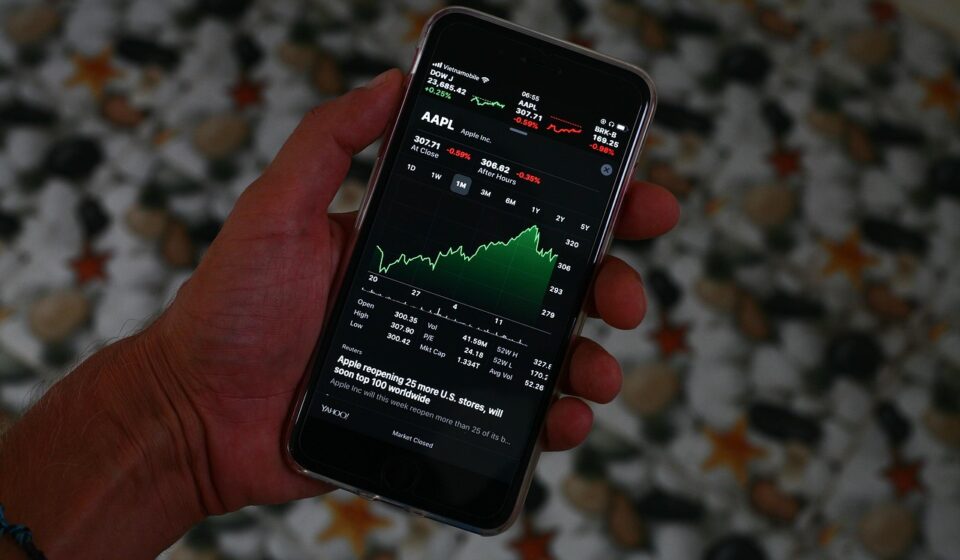

Before the advent of finance apps, managing personal finances was a tedious task that involved manual calculations, countless spreadsheets, and a lot of paperwork. However, with the rise of these apps, individuals can now track their expenses, create budgets, and set financial goals with ease. Choosing the right finance app matters because it can significantly impact one’s ability to manage finances effectively, make informed decisions, and achieve long-term financial stability. The wrong app can lead to frustration, missed opportunities, and a lack of progress towards financial goals. Given the numerous options available, it is essential to separate fact from fiction and understand what these apps can truly offer. With the right approach, individuals can harness the full potential of finance apps and take control of their financial lives.
📝 What's In This Article
A Closer Look at Finance Apps
Finance apps are software applications designed to help individuals manage their finances — including budgeting, investing, and tracking expenses — through a user-friendly interface, often available on mobile devices (small, portable computers that can fit in one’s pocket) and personal computers. To understand how these apps work, it is crucial to evaluate key metrics such as security (measures to protect data from unauthorized access), user experience (how easy or difficult it is for a user to navigate and use the app), and features (the various functions and tools offered by the app). The following table highlights some essential metrics to consider when evaluating finance apps:
| Metric | Description | Importance |
|---|---|---|
| Security | Measures to protect user data | High |
| User Experience | Ease of use and navigation | High |
| Features | Budgeting, investing, expense tracking | Medium to High |
| Customer Support | Availability of help and assistance | Medium |
Understanding these metrics is crucial for making an informed decision when selecting a finance app. By considering these factors, individuals can ensure they choose an app that meets their specific needs and provides a satisfactory user experience. Moreover, being aware of the potential drawbacks and limitations of finance apps can help set realistic expectations and foster a more successful financial management experience.
Latest Finance App Technologies
Mint
Mint is a popular finance app that offers a wide range of features, including budgeting, bill tracking, and investment monitoring. It is known for its user-friendly interface and robust security measures. Mint is particularly useful for individuals who want to track their expenses and stay on top of their finances without much hassle.
- Plus Points:
- Easy to use and navigate
- Comprehensive budgeting and expense tracking
- Free to use with no ads
- What Needs Work:
<li)Limited investment options
- Customer support can be slow to respond
Best for: Individuals looking for a straightforward and easy-to-use finance app for budgeting and expense tracking.
Personal Capital
Personal Capital is a finance app that focuses on investment tracking and financial planning. It offers a unique approach by providing users with a comprehensive view of their financial situation, including investments, debts, and income. Personal Capital is ideal for individuals who want to take a more holistic approach to their financial management.
- Plus Points:
- Comprehensive financial dashboard
- Investment tracking and analysis
- Free financial planning tools
- What Needs Work:
- Can be overwhelming for beginners
- Limited budgeting features
Best for: Individuals seeking a detailed and comprehensive view of their financial situation, particularly those with investments.
YNAB (You Need a Budget)
YNAB is a finance app that takes a proactive approach to budgeting, focusing on assigning jobs to every dollar. It is designed to help users manage their finances more effectively by prioritizing savings and debt repayment. YNAB is particularly suited for individuals who want to take control of their spending and build a more stable financial future.
- Plus Points:
- Unique and effective budgeting methodology
- Excellent customer support
- Available on multiple platforms
- What Needs Work:
- Requires a subscription fee after the initial trial period
- Steep learning curve for the budgeting system
Best for: Individuals who are committed to taking a hands-on approach to their budgeting and are looking for a system that encourages proactive financial management.
Wally
Wally is a finance app that focuses on expense tracking and budgeting. It offers a simple and intuitive interface that makes it easy for users to log their expenses and stay within their means. Wally is ideal for individuals who want a straightforward and uncomplicated finance app for daily expense management.
- Plus Points:
- Easy to use and understand
- Comprehensive expense tracking
- Available for both personal and business use
- What Needs Work:
- Limited investment and financial planning features
- Does not support automated transactions
Best for: Individuals looking for a simple, no-frills finance app primarily for expense tracking and basic budgeting.
Quicken
Quicken is a well-established finance app that offers a wide range of features, including budgeting, investment tracking, and bill management. It is known for its robust capabilities and is particularly useful for individuals who want a comprehensive financial management solution. Quicken is suitable for both beginners and advanced users, providing a flexible and customizable approach to financial management.
- Plus Points:
- Comprehensive financial management features
- Customizable budgeting and expense tracking
- Investment and retirement planning tools
- What Needs Work:
- Can be complex and overwhelming for some users
- Requires a subscription for full features
Best for: Individuals who are looking for a comprehensive and customizable finance app that can handle a wide range of financial tasks and planning.
| Option | Best For | Difficulty | Cost | Speed |
|---|---|---|---|---|
| Mint | Budgeting and Expense Tracking | Easy | Free | Fast |
| Personal Capital | Investment and Financial Planning | Medium | Free | Medium |
| YNAB | Proactive Budgeting | Challenging | Subscription | Fast |
| Wally | Expense Tracking | Easy | Free | Fast |
| Quicken | Comprehensive Financial Management | Medium to Hard | Subscription | Medium |
How to Choose the Right One
Choosing the right finance app involves several key considerations. Firstly, individuals should identify their primary financial goals and needs. Are they looking to track expenses, create a budget, or monitor investments? Understanding one’s financial objectives is crucial in selecting an app that offers the features and functionalities that align with those goals. For example, someone focusing on budgeting might prefer an app like Mint, while an individual looking for investment tracking might find Personal Capital more suitable.
Another critical factor is security. Given the sensitive nature of financial information, it is essential to choose an app that prioritizes data protection and has a strong track record of security. Looking for apps that use encryption (a method of securing data by converting it into code), two-factor authentication (a process that requires a second form of verification, such as a code sent to a phone, in addition to a password), and other robust security measures can provide peace of mind.
User experience is also a vital consideration. An app that is easy to navigate and understand can make a significant difference in one’s ability to manage finances effectively. A cluttered or confusing interface can lead to frustration and decrease the likelihood of regular use. Therefore, it is worth exploring different apps to find one that offers an intuitive and user-friendly experience.
In addition to these factors, cost and customer support should also be evaluated. Some apps are free, while others require a subscription or charge for certain features. Understanding the cost structure and ensuring it fits within one’s budget is important. Similarly, the availability and quality of customer support can be a deciding factor, especially for those who are new to finance apps or may need help navigating the app’s features. these factors cost
Lastly, considering reviews and recommendations from other users can provide valuable insights. Reading reviews and asking for recommendations from friends, family, or financial advisors can help identify potential issues or benefits that might not be immediately apparent. This can also help in making a more informed decision that is based on the experiences of others who have used the app.
How This Affects Everyday Life
Using the right finance app can have a profound impact on everyday life. For starters, it can help reduce financial stress by providing a clear picture of one’s financial situation and offering tools to manage it effectively. This can lead to a sense of relief and a decrease in anxiety related to financial matters.
Moreover, a good finance app can increase savings by helping users track their expenses, identify areas for reduction, and set achievable savings goals. Over time, this can lead to a significant accumulation of savings, which can be used for emergencies, long-term investments, or major purchases.
Finance apps can also improve budgeting habits by making it easier to create and stick to a budget. By categorizing expenses and providing regular updates, these apps can help users stay on track and make adjustments as needed, leading to better financial discipline and responsibility.
In addition, the right finance app can enhance investment knowledge and strategy. Apps that offer investment tracking and analysis can help users understand their investment portfolios better, make informed decisions, and potentially increase their returns over time.
Furthermore, using a finance app can save time by automating many financial tasks, such as bill payments and account transfers. This can free up time for other activities and reduce the hassle associated with manual financial management.
Lastly, a finance app can provide peace of mind by ensuring that financial affairs are in order. Knowing that one’s finances are being managed effectively can lead to a sense of security and stability, which is invaluable for overall well-being.
The Big Picture
To wrap up, choosing the right finance app is a critical decision that can significantly impact one’s financial health and stability. By understanding the key metrics to evaluate, exploring the latest technologies, and considering personal financial goals and needs, individuals can make an informed decision that sets them up for financial success. The right finance app can be a powerful tool in achieving long-term financial stability and security, making it an essential component of modern personal finance management. Ultimately, the process of selecting and utilizing a finance app is part of a broader strategy to take control of one’s financial life and ensure a brighter financial future.
More From The Blog


Get Started