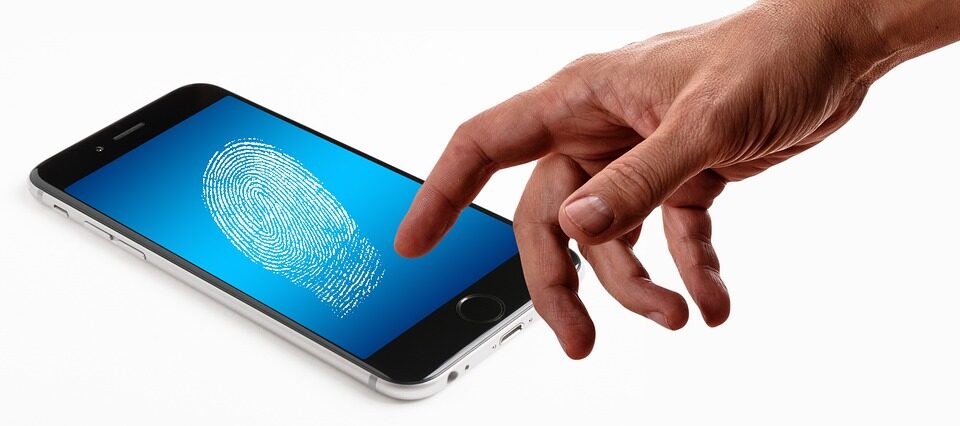

Have you ever wondered how secure your personal data is when using traditional passwords or PINs for authentication? With the rise of cybercrime, the need for more secure and reliable methods of verification has become paramount. Biometric authentication – which involves using unique physical or behavioral characteristics (such as fingerprints, facial structure, or voice patterns) for identification purposes – is emerging as a powerful solution. But what exactly is biometric authentication, and how does it work? This method of security is not just about using your face or fingerprint to find your smartphone; it’s a complex system designed to provide an additional layer of protection in a world where data breaches are becoming all too common. As technology advances, the implementation of biometric authentication is becoming more widespread, from banking and finance to healthcare and border control. Whether it’s for personal use or within an organizational setting, understanding the ins and outs of biometric authentication is crucial for navigating the future of security.
Given the potential of biometric authentication to transform how we secure our information and identities, it’s essential to dive deeper into this technology. The concept of using biological characteristics for identification is not new, but recent advancements in technology have made it more accessible and efficient. The question remains, however, how safe and reliable is biometric authentication compared to traditional methods? To answer this, let’s explore the different types of biometric authentication and their applications. The use of biometric data raises important questions about privacy and security, making it vital to understand the benefits and challenges associated with this technology.
The integration of biometric authentication into various aspects of life, from consumer electronics to high-security facilities, hints at a significant shift in how identity verification is approached. As this technology continues to evolve, it’s crucial to consider both its current state and its potential future developments. With concerns over data privacy and the vulnerability of biometric information to cyber attacks, it’s also important to evaluate the measures in place to safeguard this sensitive data. Whether biometric authentication is the future of security or just a passing trend, one thing is certain – it has the potential to revolutionize the way we think about identity and access.
As the world becomes increasingly digital, the methods we use to secure our information must also evolve. Biometric authentication represents a significant step forward in this regard, offering a more secure and convenient alternative to traditional passwords and PINs. However, the success of this technology depends on its ability to address the challenges it faces, from privacy concerns to the potential for spoofing attacks. By examining the current state of biometric authentication and exploring its potential applications, we can better understand its role in the future of security.
With the constant threat of cyber attacks and data breaches, the importance of robust security measures cannot be overstated. Biometric authentication, with its use of unique biological characteristics, offers a promising solution to these threats. But, to fully appreciate its potential, it’s necessary to look at the specifics of how it works and the various forms it can take. From the simplest fingerprint scan to complex facial recognition algorithms, each type of biometric authentication has its advantages and limitations. Understanding these differences is key to implementing effective security strategies that protect against the ever-evolving landscape of cyber threats.
📝 Table of Contents
A Closer Look at Biometric Authentication
Biometric authentication – which involves the use of unique physical or behavioral characteristics (such as fingerprints, facial structure, or voice patterns) for identification purposes – is becoming a cornerstone of modern security. This method of verification is based on the principle that each individual’s biological characteristics are unique and cannot be easily replicated, making it a highly secure form of authentication. Unlike traditional passwords or PINs, which can be guessed, stolen, or compromised, biometric data is inherently linked to the individual, providing a more robust form of verification. The process of biometric authentication typically involves the collection of biometric data (such as scanning a fingerprint or taking a facial image), the extraction of unique features from this data (like patterns in the fingerprint or the shape of the eyes), and the comparison of these features against a stored template to verify the individual’s identity.
The use of biometric authentication is not limited to any one industry or application; it spans across various sectors, including consumer electronics, banking, healthcare, and border security. In consumer electronics, for example, biometric authentication is used to secure devices, such as smartphones and laptops, making it more difficult for unauthorized individuals to access personal data. In banking and finance, biometric authentication can be used to secure transactions and prevent identity theft, adding an extra layer of security to sensitive financial information. The application of biometric authentication in healthcare can help protect patient records and ensure that only authorized personnel have access to medical information. For border security, biometric authentication can aid in the identification of individuals and help prevent illegal immigration.
The effectiveness of biometric authentication can be attributed to its ability to provide a high level of security while also being convenient for users. Unlike traditional passwords, which need to be remembered and can be easily compromised, biometric data is always with the individual, making it a more user-friendly method of authentication. This convenience, coupled with the heightened security it offers, makes biometric authentication an attractive solution for both personal and organizational security needs. However, like any technology, biometric authentication is not without its challenges, including concerns over data privacy, the potential for spoofing attacks, and the need for sophisticated hardware and software to accurately capture and process biometric data. security while also
| Type of Biometric Authentication | Description | Common Applications |
|---|---|---|
| Fingerprint Recognition | Involves scanning an individual’s fingerprints to identify unique patterns. | Smartphones, Border Control, Banking |
| Facial Recognition | Uses facial features to identify individuals. | Security Systems, Law Enforcement, Social Media |
| Voice Recognition | Identifies individuals based on the unique characteristics of their voice. | Virtual Assistants, Customer Service, Forensic Analysis |
| Iris Scanning | Scans the iris of the eye to identify unique patterns. | High-Security Facilities, Border Control, National ID Programs |
Latest Biometric Authentication Technologies
Latest Biometric Authentication
1. Advanced Fingerprint Recognition
Advanced fingerprint recognition technologies have evolved significantly, offering higher accuracy and resistance to spoofing attempts. This is achieved through the use of sophisticated algorithms that can detect and analyze subtle details in fingerprint patterns, such as the unique ridges and valleys found on an individual’s fingertips. Unlike basic fingerprint scanning, which can sometimes be fooled by fake or altered fingerprints, advanced fingerprint recognition incorporates anti-spoofing measures, such as detecting the slight variations in temperature and electrical conductivity of living skin, to ensure that only genuine fingerprints are recognized.
The integration of advanced fingerprint recognition into various devices and systems has made it a popular choice for biometric authentication. Its application ranges from securing personal devices to providing access control in high-security environments. For instance, in the field of law enforcement, advanced fingerprint recognition can be used to identify suspects and solve crimes more efficiently. In healthcare, it can help in maintaining the confidentiality of patient records by ensuring that only authorized personnel have access to sensitive medical information.
The accuracy and reliability of advanced fingerprint recognition make it an attractive option for businesses and organizations seeking to enhance their security measures. By reducing the risk of unauthorized access, companies can better protect their data and assets, leading to increased trust among clients and partners. Moreover, the convenience of fingerprint recognition, which eliminates the need to remember complex passwords, contributes to a more seamless user experience.
- Key Benefits: High accuracy, resistance to spoofing, convenience for users, enhanced security for devices and data.
- Improved Security: Advanced fingerprint recognition provides an additional layer of protection against unauthorized access, reducing the risk of data breaches and cyber attacks.
- Convenience and Efficiency: The use of fingerprint recognition eliminates the need for passwords or PINs, making it easier for individuals to access secure systems and devices.
2. Behavioral Biometrics
Behavioral biometrics involves the analysis of human behavior patterns, such as typing rhythms, gait, or voice cadence, to verify an individual’s identity. This form of biometric authentication is particularly useful in scenarios where continuous verification is required, such as in online banking or during prolonged sessions on sensitive systems. Unlike physical biometrics, which focus on static characteristics like fingerprints or facial features, behavioral biometrics captures the dynamic and unique ways in which individuals interact with their environment.
The application of behavioral biometrics is diverse, ranging from enhancing the security of online transactions to monitoring and preventing insider threats within organizations. For example, in e-commerce, behavioral biometrics can help detect and prevent fraudulent activities by identifying patterns of behavior that are inconsistent with the legitimate user’s profile. In the workplace, it can be used to flag suspicious behavior that may indicate a security breach or data leak.
One of the significant advantages of behavioral biometrics is its ability to provide ongoing authentication without requiring explicit user interaction. This passive approach to security can significantly enhance the user experience by minimizing interruptions while maintaining a high level of protection against unauthorized access. Furthermore, behavioral biometrics can complement traditional forms of authentication, offering a multi-layered security strategy that adapts to the evolving threat landscape.
- Key Benefits: Continuous verification, enhanced user experience, adaptive security, complementary to traditional authentication methods.
- Passive Security: Behavioral biometrics provides continuous authentication without requiring explicit user interaction, making it a non-intrusive security solution.
- Dynamic Threat Response: By analyzing behavior patterns, this technology can detect and respond to threats in real-time, offering a proactive approach to security.
3. Facial Recognition with Liveness Detection
Facial recognition with liveness detection is an advanced form of biometric authentication that not only identifies individuals based on their facial features but also verifies that the face is ‘live’ and not a photograph or video replay. This technology is crucial in preventing spoofing attacks, where an attacker might use a fake or altered image to gain unauthorized access. The integration of liveness detection into facial recognition systems significantly enhances their security and reliability, making them more suitable for high-stakes applications.
The use of facial recognition with liveness detection is becoming increasingly common in various sectors, including banking, law enforcement, and border control. In these contexts, the ability to accurately verify an individual’s identity while ensuring the authenticity of the biometric data being presented is paramount. For instance, in banking, this technology can secure transactions and prevent identity theft by confirming that the person initiating the transaction is indeed the account holder. becoming increasingly common
Facial recognition with liveness detection offers a convenient and non-intrusive method of authentication, which is particularly beneficial in applications where ease of use is a priority. This technology can also be integrated with other forms of biometric authentication, such as fingerprint or voice recognition, to provide a multi-modal authentication system that offers enhanced security and flexibility.
- Key Benefits: High accuracy, resistance to spoofing, convenience, and flexibility in various applications.
- Enhanced Security: The inclusion of liveness detection significantly reduces the risk of spoofing attacks, providing a more secure form of facial recognition.
- Seamless User Experience: Facial recognition with liveness detection offers a non-intrusive and convenient method of authentication, enhancing the overall user experience.
4. Iris Scanning with Pupil Tracking
Iris scanning with pupil tracking represents a cutting-edge approach to biometric authentication, combining the unique patterns of the iris with the dynamic movement of the pupil to verify an individual’s identity. This technology is highly resistant to spoofing attempts, as it not only analyzes the static patterns of the iris but also the dynamic behavior of the pupil, which is extremely difficult to replicate. The use of iris scanning with pupil tracking is particularly suited for high-security environments where the risk of impersonation is significant.
The application of iris scanning with pupil tracking can be seen in various high-security scenarios, including border control, access to sensitive facilities, and in the verification of identities for national security purposes. In these contexts, the technology’s high accuracy and resistance to spoofing make it an invaluable tool for ensuring that only authorized individuals gain access to restricted areas or information.
One of the significant benefits of iris scanning with pupil tracking is its ability to provide a secure and reliable method of identification that is less intrusive than some other forms of biometric authentication. Unlike fingerprint recognition, which requires physical contact, or facial recognition, which can be affected by environmental factors, iris scanning with pupil tracking offers a contactless and robust solution.
- Key Benefits: High security, resistance to spoofing, non-intrusive, and reliable in various environments.
- Advanced Spoof Detection: The combination of iris patterns and pupil tracking makes it extremely difficult for attackers to spoof the system, enhancing security.
- Convenient and Reliable: Iris scanning with pupil tracking is a contactless method of authentication, offering convenience and reliability in high-security applications.
5. Voice Recognition with Emotional Intelligence
Voice recognition with emotional intelligence is an innovative approach to biometric authentication that not only identifies individuals based on their unique voice patterns but also analyzes their emotional state. This technology can detect subtle changes in voice tone, pitch, and cadence that are associated with different emotions, providing a more nuanced understanding of the speaker’s intent and authenticity. The integration of emotional intelligence into voice recognition systems can significantly enhance their security and user experience, making them more suitable for applications where trust and authenticity are paramount.
The application of voice recognition with emotional intelligence can be seen in customer service, where it can help detect and respond to the emotional needs of clients more effectively. In healthcare, it can aid in the diagnosis and treatment of psychological conditions by analyzing the emotional cues embedded in a patient’s voice. For security purposes, this technology can help in identifying potential threats by detecting anomalies in an individual’s emotional state that may indicate deceit or malicious intent.
One of the significant advantages of voice recognition with emotional intelligence is its ability to provide a more personalized and empathetic interaction, whether in customer service, healthcare, or security applications. By understanding the emotional nuances of voice, this technology can facilitate more effective communication and build trust between individuals and the systems they interact with.
- Key Benefits: Enhanced security, personalized interaction, emotional intelligence, and adaptability in various applications.
- Emotional Analysis: The ability to detect emotional cues in voice can help in identifying potential security threats and improving customer service interactions.
- Personalized Experience: Voice recognition with emotional intelligence offers a more tailored and empathetic interaction, enhancing user experience and building trust.
Practical Takeaways
✔ Enhanced Security
Biometric authentication offers a higher level of security compared to traditional methods of verification, such as passwords or PINs. This is because biometric data, such as fingerprints or facial features, is unique to each individual and cannot be easily replicated or guessed. The use of biometric authentication can significantly reduce the risk of unauthorized access, making it an attractive solution for both personal and organizational security needs.
✔ Convenience
One of the significant benefits of biometric authentication is its convenience. Unlike traditional passwords, which need to be remembered and can be easily forgotten, biometric data is always with the individual, making it a more user-friendly method of authentication. This convenience, coupled with the heightened security it offers, makes biometric authentication an appealing option for securing devices, data, and physical locations.
✔ Versatility
Biometric authentication can be applied in a wide range of scenarios, from consumer electronics to high-security facilities. Its versatility makes it a valuable tool for enhancing security in various contexts, whether it’s for personal use or within an organizational setting. The ability to integrate biometric authentication with other security measures, such as passwords or smart cards, further enhances its versatility and effectiveness.
✔ Continuous Verification
Behavioral biometrics, a form of biometric authentication, offers the capability of continuous verification. This means that the authentication process is not limited to a single point of entry but can be ongoing, ensuring that the user’s identity is verified throughout their interaction with a system or device. This continuous approach to security can significantly enhance the protection against insider threats and unauthorized access.
✔ Adaptability
Biometric authentication technologies are continually evolving, with advancements in areas such as facial recognition, iris scanning, and voice recognition. This adaptability ensures that biometric authentication can keep pace with emerging threats and technologies, providing a robust and future-proof security solution. The ability of biometric systems to learn and adapt to new patterns and behaviors further enhances their effectiveness and security.
✔ Privacy Concerns
While biometric authentication offers numerous benefits, it also raises important questions about privacy and data protection. The collection, storage, and use of biometric data must be handled with utmost care to prevent misuse and ensure that individual privacy rights are respected. Implementing robust data protection policies and technologies is essential to mitigate these risks and build trust in biometric authentication systems.
What Researchers Are Working On
- Predicting the integration of biometric authentication into wearable devices, enhancing personal security and convenience.
- Developing more sophisticated anti-spoofing measures to counter emerging threats against biometric systems.
- Exploring the potential of biometric authentication in IoT devices to enhance security and user experience.
- Investigating the use of multi-modal biometrics for enhanced security and user convenience.
- Studying the ethical implications of biometric data collection and storage to ensure privacy and security.
This integration would allow for continuous authentication, providing an additional layer of security for personal data and devices. The convenience of wearable devices, combined with the security of biometric authentication, could revolutionize how we secure our information and interact with technology. integration would allow
The ongoing cat-and-mouse game between biometric security systems and spoofing attacks necessitates the development of advanced anti-spoofing technologies. Researchers are working on integrating machine learning algorithms and sensor technologies to detect and prevent spoofing attempts more effectively, ensuring the integrity of biometric authentication.
The increasing prevalence of IoT devices in both personal and professional settings presents a significant challenge in terms of security. Biometric authentication could play a pivotal role in securing these devices and preventing unauthorized access. By integrating biometric technologies into IoT devices, researchers aim to create a more secure and interconnected world.
Multi-modal biometrics involves the use of multiple biometric traits, such as fingerprints, facial features, and voice patterns, to verify an individual’s identity. This approach can significantly enhance security by making it more difficult for attackers to spoof or replicate the biometric data. Researchers are exploring how multi-modal biometrics can be integrated into various applications to provide a more robust and convenient authentication experience.
As biometric authentication becomes more widespread, concerns about the collection, storage, and use of biometric data are growing. Researchers are working to establish ethical guidelines and technologies that can protect individual privacy rights while still allowing for the benefits of biometric authentication to be realized. This includes developing secure databases for biometric data and implementing strict access controls to prevent misuse.
| Biometric Technology | Current Status | Future Developments |
|---|---|---|
| Facial Recognition | Widely adopted in consumer electronics and security systems. | Advancements in liveness detection and emotional intelligence. |
| Fingerprint Recognition | Commonly used in smartphones and access control systems. | Integration with other biometric modalities for enhanced security. |
| Iris Scanning | Used in high-security environments due to its high accuracy and resistance to spoofing. | Advancements in pupil tracking and liveness detection for improved security. |
| Voice Recognition | Applied in virtual assistants and customer service platforms. | Integration of emotional intelligence for more personalized interactions. |
The Big Picture
Biometric authentication represents a significant advancement in security technology, offering a more secure, convenient, and personalized method of verification. As this technology continues to evolve, its applications are expected to expand, transforming how we secure our information, interact with devices, and verify identities. The future of biometric authentication holds much promise, from enhancing security in high-risk environments to making our daily interactions with technology more intuitive and secure. Whether through facial recognition, fingerprint scanning, or voice analysis, biometric authentication is poised to play a pivotal role in shaping the future of security and identity verification.
The integration of biometric authentication into various aspects of life will undoubtedly have a profound impact on how we perceive and interact with security. As researchers and developers continue to push the boundaries of what is possible with biometric technologies, we can expect to see more sophisticated and secure forms of authentication emerge. The challenge ahead will be to balance the benefits of biometric authentication with the need to protect individual privacy and security, ensuring that this technology is used responsibly and for the greater good.
Ultimately, the success of biometric authentication will depend on its ability to provide a secure, convenient, and user-friendly experience. As the world becomes increasingly digital, the methods we use to secure our identities and information must also evolve. Biometric authentication, with its unique blend of security, convenience, and personalization, is well-positioned to meet this challenge, offering a glimpse into a future where security is both robust and unobtrusive.
Recommended Reading


Before You Go