Choosing Your Digital Ally: A Deep Dive into the Top Mobile Wallets of the Modern Era

The Paradox of Choice in Digital Finance
The digital payment ecosystem has reached a point of absolute saturation. A decade ago, asking someone if they accepted mobile payments would yield a confused look. Today, merchants complain about having too many different digital payment logos plastered across their storefront windows. For consumers, the sheer volume of available mobile wallets has created a paradox of choice.
Every tech giant, retail conglomerate, and banking institution wants to control the digital wallet residing on your smartphone. Choosing the right mobile wallet is no longer just about convenience; it is about security, platform ecosystem compatibility, financial rewards, and lifestyle alignment. This comprehensive guide breaks down the major categories of mobile wallets dominating the landscape today, analyzing their strengths, weaknesses, and ideal use cases to help you find your perfect digital ally.
Category 1: The Device-Centric Giants (Apple Pay, Google Wallet, Samsung Wallet)
These are the native wallets built directly into the operating systems of our smartphones. They offer the deepest integration with your device’s hardware, resulting in the smoothest user experience.
Apple Pay
- The Good: Unrivaled user experience on iOS devices. It requires no application launch; double-clicking the power button brings up your cards instantly. Its integration with Apple Watch makes wrist-based payments flawless. Security is absolute, utilizing Apple’s proprietary Secure Element chip and mandatory Face ID/Touch ID authentication.
- The Bad: Completely locked into the Apple ecosystem. If you ever switch to an Android device, your wallet data cannot move with you.
- Best For: Dedicated iPhone and Apple Watch users who prioritize maximum speed, high-end security, and a seamless native user experience.
Google Wallet
- The Good: Highly flexible and open. It operates seamlessly across a massive variety of Android smartphones and Wear OS smartwatches. It excels at automatically pulling digital boarding passes, concert tickets, and loyalty cards directly from your Gmail inbox.
- The Bad: Because Android runs on hardware from dozens of different manufacturers, the user experience can occasionally feel slightly inconsistent depending on the specific phone model you own.
- Best For: Android enthusiasts who heavily utilize the broader Google ecosystem (Gmail, Maps, Assistant) and want an open, adaptable digital storage hub.
Samsung Wallet
- The Good: A robust hybrid platform that combined Samsung Pay and Samsung Pass. It offers exceptional security through Samsung Knox. In certain regions, older Samsung devices still support Magnetic Secure Transmission (MST), allowing payments at ancient terminals that do not have tap-to-pay capabilities.
- The Bad: Exclusively restricted to Samsung Galaxy devices, alienating other Android users.
- Best For: Loyal Samsung Galaxy owners, particularly those living in regions where legacy retail payment terminals have not yet been upgraded to modern NFC standards.
Category 2: The Social & Peer-to-Peer Pioneers (PayPal, Venmo, Cash App)
While device-centric wallets excel at retail checkouts, Peer-to-Peer (P2P) wallets dominate the realm of social interactions, splitting bills, and casual online commerce.
PayPal
- The Good: The undisputed global granddaddy of digital payments. It is accepted by millions of e-commerce websites worldwide and features robust consumer protection policies that guard against fraud and undelivered items. It is highly effective for international cross-border money transfers.
- The Bad: The mobile application interface can feel cluttered as it tries to balance business tools, personal transfers, crypto trading, and savings accounts. High fees apply to international currency conversions.
- Best For: Avid online shoppers and individuals who frequently conduct international transactions or freelance business business.
Venmo
- The Good: Owned by PayPal, Venmo transformed utility into a social media platform. Its iconic social feed allows users to share what they are spending money on using emojis. It is the cultural gold standard for splitting dinner bills, rent, and rideshare fares among friends.
- The Bad: Primarily limited to the United States. The social feed, if privacy settings are not carefully configured, can inadvertently expose your spending habits to the public.
- Best For: Millennials and Gen Z users looking for an effortless, socially integrated way to exchange casual funds with peers.
Cash App
- The Good: Developed by Block Inc., Cash App is incredibly streamlined and fast. It goes far beyond peer-to-peer transfers by allowing users to invest in stocks, buy and send Bitcoin, and receive paychecks directly into the app up to two days early. It also offers a customizable physical debit card (“Cash Card”) with instant cashback discounts called “Boosts.”
- .The Bad: Customer service can be difficult to reach during disputes. Its simplicity means it lacks advanced budgeting and financial tracking tools.
- Best For: Younger users, gig workers, and individuals seeking a sleek application that blends casual money transfers with basic stock and crypto investing.
Category 3: The Global Super-Apps (Alipay, WeChat Pay)
To truly see the absolute pinnacle of what a mobile wallet can become, one must look at the Asian market, where mobile ecosystems have completely absorbed daily societal infrastructure.
Alipay & WeChat Pay
- The Good: These are not just payment apps; they are operating systems for daily life. Operating primarily via QR codes, these super-apps allow users to buy groceries, hail taxis, book doctor appointments, pay utility bills, apply for micro-loans, and chat with friends without ever leaving a single application.
- The Bad: Highly optimized for the Chinese domestic market. While they have expanded access for international tourists linking foreign credit cards, their full suite of features remains heavily tied to domestic Chinese banking infrastructure and identification regulations.
- Best For: Residents of China, frequent business travelers to East Asia, and tech analysts looking to study the absolute future blueprint of global financial integration.
Decision Matrix: Which Wallet Fits Your Pocket?
To simplify your decision-making process, evaluate your primary financial habits against this quick structural framework:
| If Your Primary Goal Is… | The Best Choice Is… | Why? |
|---|---|---|
| Effortless Retail Grocery/Shop Tapping | Apple Pay / Google Wallet | Deepest OS integration, no app launching required. |
| Splitting Dinners & Social Activities | Venmo / Cash App | Universal peer adoption; easy user-to-user search. |
| Secure Global E-Commerce Shopping | PayPal | Superior buyer protection and worldwide merchant adoption. |
| All-in-One Investing and Direct Deposit | Cash App | Integrates stocks, Bitcoin, and early payroll options. |
The Power of the Multi-Wallet Strategy
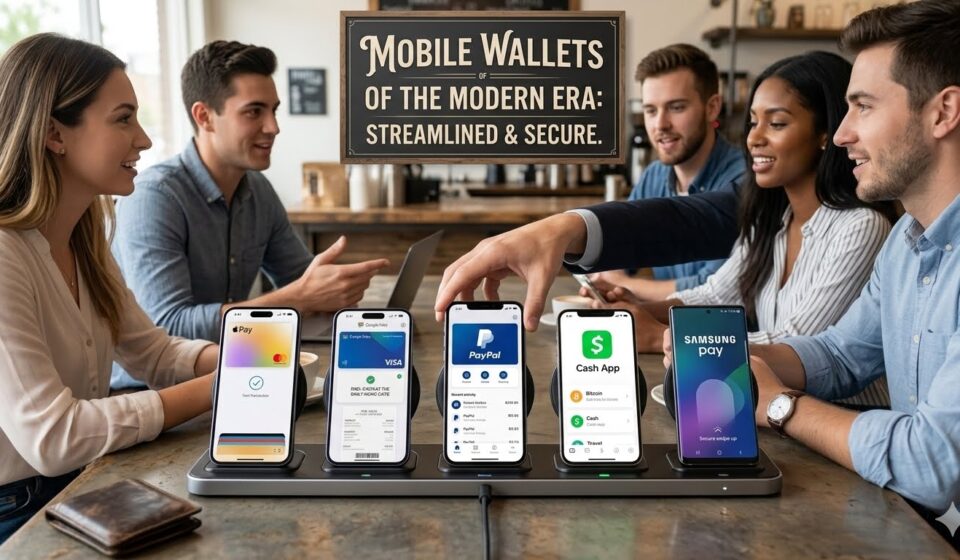
The reality of the modern digital landscape is that you do not have to choose just one platform. The most financially savvy individuals utilize a complementary multi-wallet strategy. They use a native device wallet (like Apple Pay or Google Wallet) for instantaneous physical checkouts at grocery stores, gas stations, and coffee shops. Concurrently, they keep a P2P wallet (like Venmo or Cash App) active for social scenarios, and maintain a PayPal account strictly dedicated to safe online web transactions.
By understanding the unique strengths of each digital ally, you can construct a digital pocketbook that maximizes security, capitalizes on financial rewards, and simplifies your daily transaction workflow.