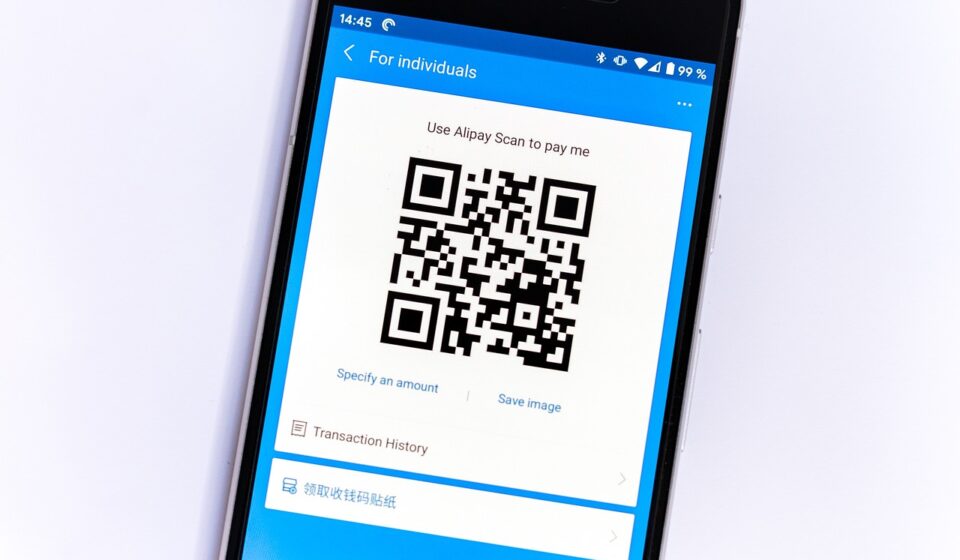

Mobile payments have become an integral part of our daily lives, allowing us to make transactions with just a few taps on our smartphones – using technologies like Near Field Communication (NFC – a method of wireless data transfer) and mobile internet. The rise of mobile payments can be attributed to the increasing adoption of smartphones and the growing demand for convenient, secure, and fast payment methods – such as mobile wallets (digital versions of traditional wallets). According to recent statistics, the number of mobile payment users has been steadily increasing over the years, with millions of people worldwide using their mobile devices to make payments. This trend is expected to continue, with experts predicting that mobile payments will become the primary mode of payment in the near future. As a result, it’s essential to understand the concept of mobile payments, their benefits, and the various techniques involved. Mobile payments offer a wide range of benefits, including convenience, speed, and security, making them an attractive option for consumers and businesses alike.
📝 Quick Navigation
What Is Mobile Payment?
Mobile payment – also known as mobile money or mobile wallet – refers to the process of making payments using a mobile device, such as a smartphone or tablet – utilizing mobile-specific technologies like tokenization (a process of replacing sensitive data with unique symbols). This can include paying for goods and services, transferring money, or paying bills. Mobile payments use various technologies, including NFC, QR codes (a type of barcode that can be read by mobile devices), and mobile internet, to facilitate transactions. Mobile payments can be made using a variety of methods, including mobile wallets, banking apps, and payment apps – such as Google Pay (a digital wallet service) or Apple Pay (a contactless payment service).
Mobile payments offer a range of benefits, including convenience, speed, and security. They also provide an alternative to traditional payment methods, such as cash and credit cards. Mobile payments are particularly useful in situations where traditional payment methods are not available or are inconvenient, such as when making online purchases or transferring money to friends and family. The use of mobile payments is also becoming increasingly popular in developing countries, where access to traditional banking services may be limited – and mobile payments can provide a secure and reliable way to manage finances.
| Payment Method | Description | Benefits |
|---|---|---|
| Mobile Wallets | Digital versions of traditional wallets | Convenience, speed, and security |
| Banking Apps | Mobile apps provided by banks for online banking | Easy access to account information and transactions |
| Payment Apps | Third-party apps for making payments | Wide range of payment options and rewards |
| NFC Payments | Contactless payments using NFC technology | Fast and convenient transactions |
Core Mobile Payment Approaches
1. Mobile Wallets
Mobile wallets are digital versions of traditional wallets, allowing users to store their payment information, such as credit card numbers and loyalty cards, in a single app – using a process called data encryption (a method of protecting data by converting it into a code). Mobile wallets use NFC or QR code technology to make payments, providing a convenient and secure way to make transactions. Mobile wallets also offer a range of benefits, including rewards, discounts, and cashback.
Mobile wallets are widely accepted by merchants, making them a popular choice for consumers. They also provide an additional layer of security, as payments are tokenized and encrypted, protecting sensitive information. Mobile wallets can also be used to make online purchases, providing a seamless and secure checkout experience. merchants making them
- Key Benefits: see the full details
- Convenience: Mobile wallets allow users to make payments with just a few taps on their smartphones.
- Security: Mobile wallets provide an additional layer of security, as payments are tokenized and encrypted.
- Rewards: Mobile wallets offer a range of rewards, including discounts, cashback, and loyalty points.
2. Banking Apps
Banking apps are mobile apps provided by banks for online banking, allowing users to manage their accounts, make transactions, and pay bills. Banking apps use mobile internet to facilitate transactions, providing a secure and convenient way to manage finances. Banking apps also offer a range of benefits, including easy access to account information, transaction history, and payment tracking.
Banking apps are widely used by consumers, providing a convenient and secure way to manage finances. They also provide an additional layer of security, as payments are encrypted and protected by passwords and biometric authentication – such as facial recognition (a method of identifying individuals using their facial features) or fingerprint scanning (a method of identifying individuals using their fingerprints). Banking apps can also be used to make online purchases, providing a seamless and secure checkout experience.
- Key Benefits:
- Easy Access: Banking apps provide easy access to account information and transactions.
- Security: Banking apps provide an additional layer of security, as payments are encrypted and protected by passwords and biometric authentication.
- Convenience: Banking apps allow users to make transactions and pay bills with just a few taps on their smartphones.
3. Payment Apps
Payment apps are third-party apps for making payments, allowing users to make transactions, transfer money, and pay bills. Payment apps use mobile internet to facilitate transactions, providing a secure and convenient way to make payments. Payment apps also offer a range of benefits, including a wide range of payment options, rewards, and discounts.
Payment apps are widely used by consumers, providing a convenient and secure way to make payments. They also provide an additional layer of security, as payments are encrypted and protected by passwords and biometric authentication. Payment apps can also be used to make online purchases, providing a seamless and secure checkout experience.
- Key Benefits:
- Wide Range of Payment Options: Payment apps offer a wide range of payment options, including credit cards, debit cards, and online banking.
- Rewards: Payment apps offer a range of rewards, including discounts, cashback, and loyalty points.
- Convenience: Payment apps allow users to make transactions and pay bills with just a few taps on their smartphones.
4. NFC Payments
NFC payments are contactless payments using NFC technology, allowing users to make transactions by tapping their smartphones on NFC-enabled terminals – such as those found in retail stores or public transportation. NFC payments provide a fast and convenient way to make transactions, eliminating the need to carry cash or credit cards. contactless payments using
NFC payments are widely accepted by merchants, making them a popular choice for consumers. They also provide an additional layer of security, as payments are tokenized and encrypted, protecting sensitive information. NFC payments can also be used to make online purchases, providing a seamless and secure checkout experience. merchants making them
- Key Benefits: explore this option
- Convenience: NFC payments allow users to make transactions with just a tap on their smartphones.
- Speed: NFC payments provide a fast way to make transactions, eliminating the need to wait in line or swipe cards.
- Security: NFC payments provide an additional layer of security, as payments are tokenized and encrypted.
5. QR Code Payments
QR code payments are payments made using QR codes, allowing users to make transactions by scanning a QR code on their smartphones – using a QR code reader (a software application that can read and interpret QR codes). QR code payments provide a convenient and secure way to make transactions, eliminating the need to carry cash or credit cards.
QR code payments are widely used by consumers, providing a convenient and secure way to make payments. They also provide an additional layer of security, as payments are encrypted and protected by passwords and biometric authentication. QR code payments can also be used to make online purchases, providing a seamless and secure checkout experience.
- Key Benefits:
- Convenience: QR code payments allow users to make transactions with just a scan on their smartphones.
- Security: QR code payments provide an additional layer of security, as payments are encrypted and protected by passwords and biometric authentication.
- Wide Acceptance: QR code payments are widely accepted by merchants, making them a popular choice for consumers.
Practical Takeaways
✔ Convenience
Mobile payments offer a convenient way to make transactions, eliminating the need to carry cash or credit cards. With mobile payments, users can make payments with just a few taps on their smartphones, providing a fast and seamless checkout experience. Mobile payments offer
✔ Security find out more
Mobile payments provide an additional layer of security, as payments are tokenized and encrypted, protecting sensitive information. Mobile payments also provide an additional layer of security, as payments are protected by passwords and biometric authentication. Mobile payments provide
✔ Speed see what this offers
Mobile payments provide a fast way to make transactions, eliminating the need to wait in line or swipe cards. With mobile payments, users can make payments with just a tap on their smartphones, providing a fast and seamless checkout experience. Mobile payments provide
✔ Rewards learn more about this
Mobile payments offer a range of rewards, including discounts, cashback, and loyalty points. Mobile payments also provide a wide range of payment options, including credit cards, debit cards, and online banking.
✔ Wide Acceptance
Mobile payments are widely accepted by merchants, making them a popular choice for consumers. Mobile payments can also be used to make online purchases, providing a seamless and secure checkout experience.
✔ Easy Access
Mobile payments provide easy access to account information and transactions, allowing users to manage their finances with ease. Mobile payments also provide a convenient way to make transactions, eliminating the need to carry cash or credit cards.
| Mobile Payment Method | Transaction Limit | Fees |
|---|---|---|
| Mobile Wallets | $1,000 | 2.5% |
| Banking Apps | $5,000 | 1.5% |
| Payment Apps | $2,000 | 3.5% |
| NFC Payments | $1,500 | 2% |
Upcoming Trends
- Increased Adoption of Mobile Payments
- Advancements in Mobile Payment Technology
- Growing Demand for Mobile Payment Security
- Increased Use of Mobile Payments for Online Purchases
- Expansion of Mobile Payments to New Markets
Mobile payments are expected to become more widespread, with more consumers adopting mobile payment methods. This trend is driven by the convenience, speed, and security offered by mobile payments.
As mobile payments become more popular, merchants and financial institutions will need to adapt to this trend by investing in mobile payment infrastructure and providing mobile payment options to their customers.
Mobile payment technology is expected to advance, with the development of new technologies such as blockchain (a type of distributed ledger technology) and artificial intelligence (a type of computer science that enables machines to perform tasks that typically require human intelligence). These technologies will provide enhanced security, speed, and convenience for mobile payments.
As mobile payment technology advances, consumers can expect to see new features and functionalities, such as personalized payment experiences and real-time transaction tracking.
As mobile payments become more widespread, there will be a growing demand for mobile payment security. Consumers will expect merchants and financial institutions to provide secure mobile payment options, protecting their sensitive information and preventing fraud. mobile payments become
Merchants and financial institutions will need to invest in mobile payment security measures, such as encryption and biometric authentication, to provide secure mobile payment options for their customers. financial institutions will
Mobile payments are expected to become more popular for online purchases, providing a seamless and secure checkout experience for consumers. Merchants will need to adapt to this trend by providing mobile payment options for online purchases. become more popular
As mobile payments become more popular for online purchases, consumers can expect to see new features and functionalities, such as one-tap checkout and personalized payment experiences. mobile payments become
Mobile payments are expected to expand to new markets, including developing countries and emerging economies. This trend is driven by the growing demand for mobile payments and the increasing adoption of smartphones in these markets.
As mobile payments expand to new markets, merchants and financial institutions will need to adapt to local regulations and consumer preferences, providing mobile payment options that meet the needs of these markets.
To Sum Up
Mobile payments are revolutionizing the way we shop, pay bills, and transfer money, offering convenience, speed, and security like never before. With the rise of mobile payments, consumers can expect to see new features and functionalities, such as personalized payment experiences and real-time transaction tracking.
As mobile payments become more widespread, merchants and financial institutions will need to adapt to this trend by investing in mobile payment infrastructure and providing mobile payment options to their customers. The future of mobile payments looks promising, with advancements in technology and growing demand for mobile payment security.
Overall, mobile payments are an exciting and rapidly evolving field, offering a wide range of benefits and opportunities for consumers, merchants, and financial institutions alike. As the use of mobile payments continues to grow, it’s essential to stay informed about the latest trends and developments in this field.
Keep Reading

Get Started