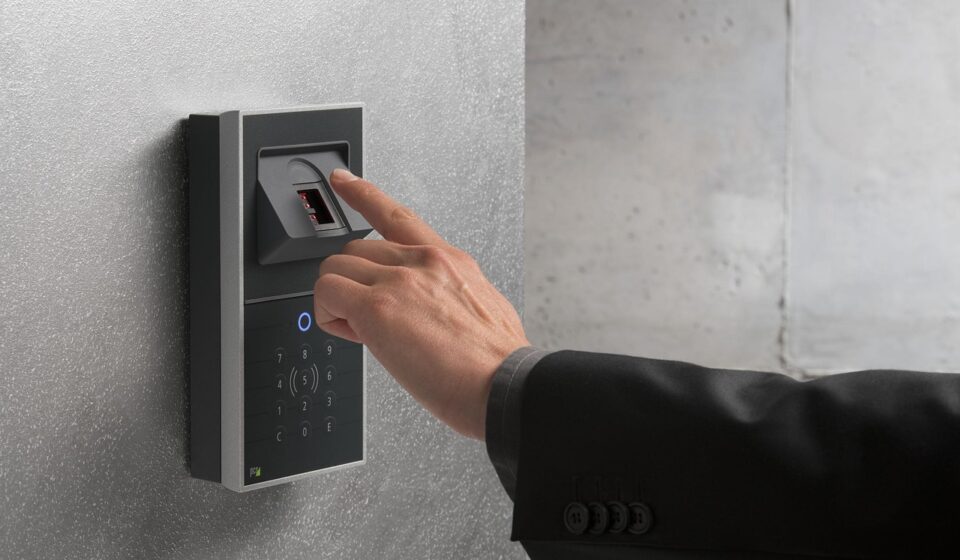

Imagine walking into a high-security facility without needing to swipe a card or enter a password—just a glance at a camera verifies your identity and grants access. This is the reality of biometric authentication. For someone new to this topic, it might seem like science fiction, but it’s now a part of our daily lives. Biometric authentication uses unique physical or behavioral characteristics—like fingerprints, facial features, or voice patterns—to verify identities. As of 2026, this technology is more prevalent than ever, being used in everything from smartphones to border control. Whether it’s for personal security or national defense, biometric authentication is making waves.
📝 Table of Contents
Defining Biometric Authentication
Biometric authentication—also known as biometrics—is a security process that relies on unique, inherent characteristics (or traits) of an individual—such as fingerprints, voice patterns, or facial features—to verify their identity. This method is considered more secure and convenient than traditional password or PIN systems because it eliminates the need to remember complex passwords and reduces the risk of identity theft. A key aspect of biometric authentication is its ability to differentiate between fake and real biometric inputs, ensuring that only authorized individuals gain access to secured information or locations.
| Term | Plain-English Meaning |
|---|---|
| Biometric Data | Unique physical or behavioral characteristics used for identification—like fingerprints or voice patterns. |
| Facial Recognition | A technology that uses facial features to identify individuals, often used in security and law enforcement. |
| Fingerprint Scanning | A method of biometric authentication that uses the unique patterns found on an individual’s fingertips to verify their identity. |
| Voice Recognition | The ability of a system to identify individuals by the unique characteristics of their voices. |
| Iris Scanning | A highly secure form of biometric authentication that uses the unique patterns in the iris of an eye to verify identity. |
| Behavioral Biometrics | The analysis of human behavior—such as typing rhythms or gait—to verify identities, offering a more subtle and continuous form of authentication. |
Why Biometric Authentication (2026 Update) Matters
Biometric authentication matters because it provides a high level of security that is difficult to breach. Unlike passwords, which can be guessed or stolen, biometric data is unique to each individual and cannot be easily replicated. As of 2026, with the rise of digital transactions and online services, ensuring the security of personal and financial information is paramount. For instance, banks and financial institutions are increasingly adopting biometric authentication to protect customer accounts from unauthorized access. This not only enhances security but also simplifies the login process for users, eliminating the need to remember multiple complex passwords.
The impact of biometric authentication extends beyond personal security to national levels. Governments are using biometric data for border control and security checks, aiming to prevent illegal immigration and terrorism. For example, facial recognition technology is being implemented in airports to quickly and accurately identify travelers, reducing wait times and enhancing security. Additionally, biometric authentication is being used in law enforcement to identify suspects and solve crimes more efficiently. According to a 2026 report, the use of facial recognition in law enforcement has led to a significant reduction in crime rates in several major cities.
Moreover, biometric authentication benefits various industries. In healthcare, it ensures that patient records are accessed only by authorized personnel, maintaining confidentiality and integrity of sensitive medical information. In the retail sector, biometric authentication can be used to prevent fraud and enhance customer experience through personalized services. A study in 2026 found that companies that adopted biometric authentication saw a significant decrease in identity theft and an increase in customer satisfaction.
Major Biometric Authentication Developments
Major Biometric Authentication
1. Introduction to Facial Recognition
Facial recognition is a form of biometric authentication that uses facial features to identify individuals. It is one of the most prevalent forms of biometric technology, used in everything from security systems to social media platforms. To use facial recognition, a camera captures an image of the face, which is then compared to stored images in a database to verify identity. However, a common beginner mistake is not ensuring the lighting conditions are optimal for the camera to capture a clear image. uses facial features
- Highly accurate when conditions are optimal.
- Can be used for real-time identification in crowded areas.
Strengths: see this guide
2. Understanding Fingerprint Scanning
Fingerprint scanning is another widely used method of biometric authentication. It involves placing a finger on a sensor, which reads the unique patterns found on the fingertip. The data is then compared to stored templates to verify the user’s identity. Using fingerprint scanning is relatively straightforward; users simply place their finger on the scanner, and the system does the rest. However, a common mistake is not cleaning the scanner regularly, which can lead to false rejections.
- Highly secure due to the uniqueness of fingerprints.
- Convenient for frequent use, such as unlocking smartphones.
Strengths:
3. Exploring Voice Recognition
Voice recognition is a method of biometric authentication that analyzes the unique characteristics of an individual’s voice to verify their identity. This method is particularly useful for remote access systems, where users can authenticate without needing to be physically present. To use voice recognition, users typically need to enroll their voice by speaking a phrase several times, which creates a voiceprint that is stored for future comparisons. A common beginner error is enrolling the voice in a noisy environment, which can affect the system’s ability to recognize the voice accurately.
- Offers a hands-free authentication experience.
- Can be used in various applications, from smart home devices to customer service systems.
Strengths:
4. Introduction to Iris Scanning
Iris scanning is considered one of the most secure forms of biometric authentication. It uses the unique patterns found in the iris of an eye to verify identity. The process involves looking into a camera, which captures an image of the iris and compares it to stored images in a database. Using iris scanning requires minimal user interaction; the individual simply needs to look into the camera for a few seconds. However, a common mistake is not positioning the eye correctly in front of the scanner, which can lead to failed scans. most secure forms
- Provides extremely high accuracy due to the uniqueness of iris patterns.
- Is highly resistant to spoofing attempts.
Strengths: take a look at this
5. Understanding Behavioral Biometrics
Understanding Behavioral Biometrics
Behavioral biometrics involves analyzing human behavior, such as typing rhythms, gait, or voice cadence, to verify identities. This form of authentication is less invasive and can provide continuous verification, making it ideal for applications where constant security is required. Implementing behavioral biometrics typically involves software that observes and learns the user’s behavior over time, creating a unique profile that is used for authentication. A common beginner mistake is not providing sufficient data for the system to learn the user’s behavioral patterns accurately.
- Offers a more passive and less intrusive form of authentication.
- Can detect and prevent identity theft in real-time.
Strengths:
6. Implementing Multi-Factor Authentication
Multi-factor authentication (MFA) involves combining two or more authentication methods to provide an additional layer of security. For example, using a password along with fingerprint scanning. Implementing MFA requires setting up multiple authentication factors and ensuring that the system can handle the combination of these factors seamlessly. A common mistake is not properly integrating the different authentication methods, which can lead to system failures.
- Significantly increases security by requiring multiple forms of verification.
- Can be tailored to fit the specific security needs of an organization.
Strengths:
7. Securing Biometric Data
Securing biometric data is crucial to prevent unauthorized access and potential misuse. This involves encrypting the data, both in transit and at rest, and ensuring that access to the data is strictly controlled. Implementing robust security measures, such as secure servers and firewalls, is essential. A common mistake is not regularly updating the security software, which can leave the system vulnerable to new threats. Securing biometric data
- Protects sensitive biometric information from breaches.
- Ensures compliance with data protection regulations.
Strengths: learn more about this
| Step | What You Do | Expected Result |
|---|---|---|
| 1. Introduction to Facial Recognition | Enroll in a facial recognition system and use it for authentication. | Highly accurate and efficient identity verification. |
| 2. Understanding Fingerprint Scanning | Use fingerprint scanning for secure and convenient identity verification. | Fast and secure access to devices and information. |
| 3. Exploring Voice Recognition | Enroll voice and use it for hands-free authentication. | Convenient and secure authentication for various applications. |
| 4. Introduction to Iris Scanning | Use iris scanning for highly secure identity verification. | Extremely accurate and secure authentication. |
| 5. Understanding Behavioral Biometrics | Implement behavioral biometrics for continuous and passive authentication. | Enhanced security through real-time monitoring of user behavior. |
| 6. Implementing Multi-Factor Authentication | Combine multiple authentication methods for enhanced security. | Significantly increased security against various threats. |
| 7. Securing Biometric Data | Implement robust security measures to protect biometric data. | Complete protection of sensitive biometric information. |
Frequently Asked Questions
What is Biometric Authentication?
Biometric authentication is a security process that uses unique physical or behavioral characteristics to verify identities. It offers a more secure and convenient alternative to traditional password-based systems. Biometric data, such as fingerprints, facial features, or voice patterns, is used to authenticate individuals, providing a high level of accuracy and security.
How Does Facial Recognition Work?
Facial recognition works by capturing an image of the face and comparing it to stored images in a database to verify identity. The system uses facial features, such as the distance between the eyes, the shape of the nose, and the contour of the jawline, to create a unique facial map. This map is then compared to existing maps in the database to find a match, thereby verifying the individual’s identity. Facial recognition works
Is Biometric Data Secure?
Biometric data can be secure if proper measures are taken to protect it. This includes encrypting the data, both in transit and at rest, and ensuring that access to the data is strictly controlled. Implementing robust security software and regularly updating it is essential to safeguard against potential threats and data breaches. strictly controlled Implementing
Can Biometric Authentication be Hacked?
While biometric authentication is considered highly secure, it is not entirely hack-proof. Advanced spoofing techniques, such as using high-quality masks or recordings, can potentially deceive some biometric systems. However, most modern biometric systems incorporate anti-spoofing measures, such as liveness detection, to mitigate these risks. Regularly updating the system’s security software and using multi-factor authentication can further enhance security. While biometric authentication
What are the Benefits of Biometric Authentication?
The benefits of biometric authentication include enhanced security, convenience, and accuracy. It eliminates the need to remember complex passwords, reduces the risk of identity theft, and provides a seamless authentication experience. Biometric authentication also offers a high level of uniqueness, making it difficult for unauthorized individuals to gain access to secured information or locations.
The Bottom Line
Biometric authentication is a rapidly evolving field that is transforming the way we secure our identities and information. With its unique blend of security, convenience, and accuracy, it is becoming an essential component of both personal and organizational security strategies. As technology continues to advance, the potential applications and benefits of biometric authentication will only continue to grow. Embracing biometric authentication can significantly enhance security and simplify the authentication process, making it an indispensable tool in today’s digital age.
The future of biometric authentication looks promising, with ongoing research and development aimed at improving accuracy, security, and usability. As more industries adopt biometric technologies, the impact on security, convenience, and user experience will be profound. Whether it’s through facial recognition, fingerprint scanning, or voice recognition, biometric authentication is poised to revolutionize the way we interact with technology and secure our identities.
To wrap up, the significance of biometric authentication in enhancing security and convenience cannot be overstated. As the world becomes increasingly digital, the need for robust and reliable authentication methods has never been more critical. Biometric authentication stands at the forefront of this need, offering a powerful solution that combines security, accuracy, and ease of use. As we move forward, embracing and understanding biometric authentication will be key to navigating the complexities of our digital lives.
You Might Also Like


Learn More