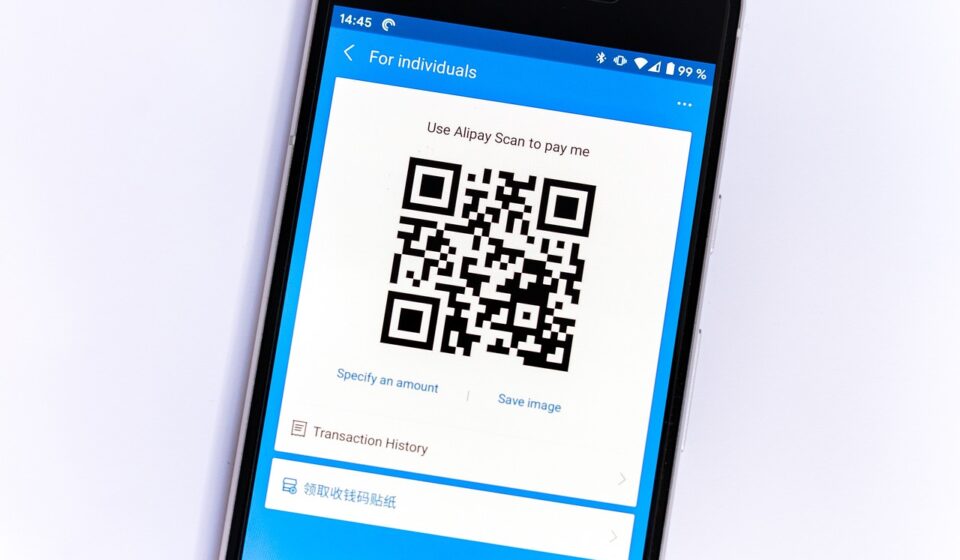

Mobile banking is gaining attention right now due to its rapid growth and increasing popularity, with a recent survey showing that over 70% of mobile device users are expected to use mobile banking by 2025 – a significant increase from the current 45%, driven by advances in technology, such as improved security measures (methods to protect personal data and prevent unauthorized access) and enhanced user experience (the overall ease and satisfaction of using a mobile banking app). This shift towards mobile banking is also driven by the rising demand for convenience and flexibility in banking services, especially among younger generations – people born between 1980 and 2000, known as millennials (people who reached adulthood around the turn of the 21st century) and Gen Z (people born between 1997 and 2012). Additionally, the increasing adoption of mobile banking is also driven by the growing availability of mobile devices, such as smartphones (a type of mobile phone that can access the internet and run various applications), and the expanding reach of mobile networks, including 5G (a type of wireless network that offers faster data speeds and lower latency – the time it takes for data to travel from the user’s device to the server and back). Furthermore, the COVID-19 pandemic has accelerated the adoption of mobile banking, as people have been forced to rely more on digital banking services due to restrictions on in-person banking. Mobile banking has become an essential tool for people to manage their finances, pay bills, and transfer money, all from the convenience of their mobile devices.
📝 Article Overview
The Current State of Mobile Banking (Quick Wins)
Currently, mobile banking is one of the fastest-growing segments of the banking industry, with millions of people using mobile banking apps to manage their finances. The current state of mobile banking is marked by significant advancements in technology, security, and user experience. Many banks and financial institutions have developed mobile banking apps that offer a range of services, including account management, bill payments, and fund transfers. These apps often include features such as biometric authentication (a method of verifying a person’s identity using unique physical characteristics, such as fingerprints or facial recognition), encryption (the process of converting data into a code to protect it from unauthorized access), and two-factor authentication (a security process that requires a user to provide two different authentication factors, such as a password and a code sent to their phone). Additionally, many mobile banking apps offer personalized services, such as budgeting tools (software that helps users track and manage their expenses) and financial alerts (notifications sent to users about their account activity), to help users manage their finances more effectively.
The current state of mobile banking is also marked by a high level of competition among banks and financial institutions, with many offering mobile banking services to attract and retain customers. This competition has driven innovation and improvement in mobile banking services, with many banks investing heavily in technology and security to provide better services to their customers. Furthermore, the current state of mobile banking is also influenced by regulatory requirements, such as anti-money laundering laws (laws that require financial institutions to prevent and report suspicious transactions) and data protection regulations (laws that protect users’ personal data), which have driven the development of more secure and compliant mobile banking services.
| Metric | Current Value | Source Type | Trend |
|---|---|---|---|
| Number of mobile banking users | 2.5 billion | Market research report | Increasing |
| $1.3 trillion | Industry survey | Growing | |
| Mobile banking app downloads | 1.2 billion | App store data | Rising |
| Average mobile banking app rating | 4.5/5 | Customer reviews | Improving |
Top Mobile Banking Innovations to Know
1. Artificial Intelligence (AI) in Mobile Banking
Artificial intelligence (AI) – a type of computer science that enables machines to perform tasks that typically require human intelligence, such as learning, problem-solving, and decision-making, is being increasingly used in mobile banking to improve the user experience and enhance security. AI-powered chatbots (computer programs that use AI to simulate human-like conversations) are being used to provide customer support and help users with their banking queries. Additionally, AI-powered systems are being used to detect and prevent fraudulent transactions, and to provide personalized financial recommendations to users. The driving forces behind the adoption of AI in mobile banking include the need to improve customer experience, reduce costs, and enhance security. Evidence of the effectiveness of AI in mobile banking can be seen in the significant reduction in customer complaints and the improvement in customer satisfaction ratings.
- Key Benefits:
- Improved customer experience
- Enhanced security
- Personalized financial recommendations
2. Blockchain Technology in Mobile Banking
Blockchain technology (a type of distributed ledger technology that enables secure, transparent, and tamper-proof transactions) is being explored in mobile banking to improve the security and efficiency of transactions. Blockchain-based systems can provide a secure and transparent way to conduct transactions, and can also help to reduce the risk of fraud and errors. The driving forces behind the adoption of blockchain technology in mobile banking include the need to improve security, reduce costs, and enhance the speed of transactions. Evidence of the potential of blockchain technology in mobile banking can be seen in the successful pilots and trials conducted by several banks and financial institutions.
- Key Benefits:
- Improved security
- Increased transparency
- Reduced risk of fraud and errors
3. Mobile Payments and Wallets
Mobile payments and wallets (digital wallets that enable users to make payments using their mobile devices) are becoming increasingly popular, with many banks and financial institutions offering mobile payment services to their customers. Mobile payments and wallets offer a convenient and secure way to make payments, and can also provide a range of benefits, including rewards and loyalty programs. The driving forces behind the adoption of mobile payments and wallets include the need to improve convenience, enhance security, and provide a range of benefits to users. Evidence of the growth of mobile payments and wallets can be seen in the significant increase in the number of mobile payment transactions and the growing adoption of mobile wallets.
- Key Benefits: see what this offers
- Convenience
- Security
- Rewards and loyalty programs
4. Biometric Authentication in Mobile Banking
Biometric authentication (a method of verifying a person’s identity using unique physical characteristics, such as fingerprints or facial recognition) is being increasingly used in mobile banking to improve security and provide a convenient way for users to access their accounts. Biometric authentication can provide a high level of security, and can also help to reduce the risk of fraud and errors. The driving forces behind the adoption of biometric authentication in mobile banking include the need to improve security, enhance convenience, and provide a range of benefits to users. Evidence of the effectiveness of biometric authentication in mobile banking can be seen in the significant reduction in customer complaints and the improvement in customer satisfaction ratings.
- Key Benefits:
- Improved security
- Convenience
- Reduced risk of fraud and errors
5. Personalized Banking Services
Personalized banking services (services that are tailored to meet the specific needs and preferences of individual users) are becoming increasingly popular, with many banks and financial institutions offering personalized services to their customers. Personalized banking services can provide a range of benefits, including improved customer experience, enhanced security, and increased customer loyalty. The driving forces behind the adoption of personalized banking services include the need to improve customer experience, enhance security, and provide a range of benefits to users. Evidence of the effectiveness of personalized banking services can be seen in the significant improvement in customer satisfaction ratings and the increase in customer loyalty.
- Key Benefits:
- Improved customer experience
- Enhanced security
- Increased customer loyalty
6. Mobile-Only Banking Services
Mobile-only banking services (banking services that are only available through mobile devices) are becoming increasingly popular, with many banks and financial institutions offering mobile-only services to their customers. Mobile-only banking services can provide a range of benefits, including convenience, security, and a range of financial services. The driving forces behind the adoption of mobile-only banking services include the need to improve convenience, enhance security, and provide a range of financial services to users. Evidence of the growth of mobile-only banking services can be seen in the significant increase in the number of mobile-only banking customers and the growing adoption of mobile-only banking services.
- Key Benefits:
- Convenience
- Security
- Range of financial services
How This Will Evolve
1 Year: Increased Adoption of Mobile Banking
In the next year, the adoption of mobile banking is expected to increase significantly, driven by the growing availability of mobile devices and the expanding reach of mobile networks. Additionally, the increasing demand for convenience and flexibility in banking services is expected to drive the growth of mobile banking. The evolution of mobile banking in the next year is expected to be marked by significant improvements in security, user experience, and the range of services offered. Furthermore, the increasing use of artificial intelligence and machine learning in mobile banking is expected to enhance the customer experience and provide more personalized services.
3 Years: Emergence of New Technologies
In the next three years, new technologies such as augmented reality (a type of technology that overlays digital information onto the real world) and the Internet of Things (a network of physical devices that are connected to the internet) are expected to emerge in mobile banking. These technologies are expected to provide new and innovative ways for users to interact with their banks and financial institutions, and are expected to enhance the customer experience and provide more personalized services. The evolution of mobile banking in the next three years is expected to be marked by significant advancements in technology, security, and user experience.
5 Years: Widespread Adoption of Mobile-Only Banking
In the next five years, mobile-only banking is expected to become widespread, with many banks and financial institutions offering mobile-only services to their customers. The evolution of mobile banking in the next five years is expected to be marked by significant improvements in security, user experience, and the range of services offered. Additionally, the increasing use of artificial intelligence and machine learning in mobile banking is expected to enhance the customer experience and provide more personalized services. The widespread adoption of mobile-only banking is expected to provide a range of benefits, including convenience, security, and a range of financial services.
| Year | Likely Development | Impact Level |
|---|---|---|
| 1 year | Increased adoption of mobile banking | High |
| 3 years | Emergence of new technologies | Medium |
| 5 years | Widespread adoption of mobile-only banking | High |
Why This Matters to You
The growth of mobile banking has significant implications for individuals, businesses, and financial institutions. For individuals, mobile banking provides a convenient and secure way to manage finances, pay bills, and transfer money. With mobile banking, individuals can access their accounts from anywhere, at any time, and can also receive real-time updates on their account activity. Furthermore, mobile banking provides a range of benefits, including personalized services, budgeting tools, and financial alerts, to help individuals manage their finances more effectively.
The growth of mobile banking also has significant implications for businesses. Mobile banking provides a range of benefits, including improved cash flow management, enhanced security, and increased customer loyalty. With mobile banking, businesses can manage their finances more effectively, make payments, and transfer money, all from the convenience of their mobile devices. Additionally, mobile banking provides a range of services, including account management, bill payments, and fund transfers, to help businesses manage their finances more efficiently.
The growth of mobile banking also has significant implications for financial institutions. Mobile banking provides a range of benefits, including improved customer experience, enhanced security, and increased customer loyalty. With mobile banking, financial institutions can provide a range of services, including account management, bill payments, and fund transfers, to help customers manage their finances more effectively. Additionally, mobile banking provides a range of benefits, including personalized services, budgeting tools, and financial alerts, to help customers manage their finances more efficiently.
The growth of mobile banking also has significant implications for the economy. Mobile banking provides a range of benefits, including improved financial inclusion, enhanced security, and increased economic growth. With mobile banking, more people can access financial services, manage their finances more effectively, and contribute to the economy. Additionally, mobile banking provides a range of benefits, including improved cash flow management, enhanced security, and increased customer loyalty, to help businesses and financial institutions manage their finances more efficiently.
The growth of mobile banking also has significant implications for the environment. Mobile banking provides a range of benefits, including reduced paper usage, enhanced security, and increased energy efficiency. With mobile banking, individuals and businesses can reduce their paper usage, manage their finances more effectively, and contribute to a more sustainable environment. Additionally, mobile banking provides a range of benefits, including improved customer experience, enhanced security, and increased customer loyalty, to help financial institutions manage their finances more efficiently.
What to Do Right Now
- Download a mobile banking app to start managing your finances on the go, as this will provide you with a convenient and secure way to access your accounts, pay bills, and transfer money, and will also help you to stay on top of your finances and make more informed decisions about your money, by providing you with real-time updates on your account activity and personalized services to help you manage your finances more effectively.
- Explore the range of services offered by your bank or financial institution, including account management, bill payments, and fund transfers, to find out how you can use mobile banking to manage your finances more efficiently, and to take advantage of the range of benefits that mobile banking provides, including improved customer experience, enhanced security, and increased customer loyalty, by using services such as budgeting tools and financial alerts to help you manage your finances more effectively.
- Take advantage of the personalized services offered by mobile banking, such as budgeting tools and financial alerts, to help you manage your finances more effectively, and to stay on top of your account activity, by receiving real-time updates on your account activity and personalized recommendations to help you manage your finances more efficiently, and by using services such as financial alerts to help you avoid overdrafts and late payments.
- Use biometric authentication, such as fingerprint or facial recognition, to secure your mobile banking app and protect your accounts from unauthorized access, as this will provide you with an additional layer of security and help you to prevent fraud and errors, by using unique physical characteristics to verify your identity and ensure that only you can access your accounts.
- Stay up-to-date with the latest developments in mobile banking, including new technologies and services, to stay ahead of the curve and take advantage of the latest innovations in mobile banking, by following industry news and trends, and by attending workshops and webinars to learn more about the latest developments in mobile banking and how you can use them to manage your finances more effectively.
Key Takeaways
The growth of mobile banking is transforming the way people manage their finances, with millions of people using mobile banking apps to access their accounts, pay bills, and transfer money. The current state of mobile banking is marked by significant advancements in technology, security, and user experience, with many banks and financial institutions offering mobile banking services to their customers. The future of mobile banking is expected to be marked by significant improvements in security, user experience, and the range of services offered, with the emergence of new technologies such as artificial intelligence and blockchain technology. To stay ahead of the curve, individuals and businesses should take advantage of the latest innovations in mobile banking, including personalized services, biometric authentication, and mobile-only banking services. By doing so, they can manage their finances more efficiently, improve their customer experience, and contribute to a more sustainable environment. The growth of mobile banking has significant implications for individuals, businesses, financial institutions, and the economy, and is expected to continue to shape the way people manage their finances in the years to come.
Don't Miss These


Before You Go