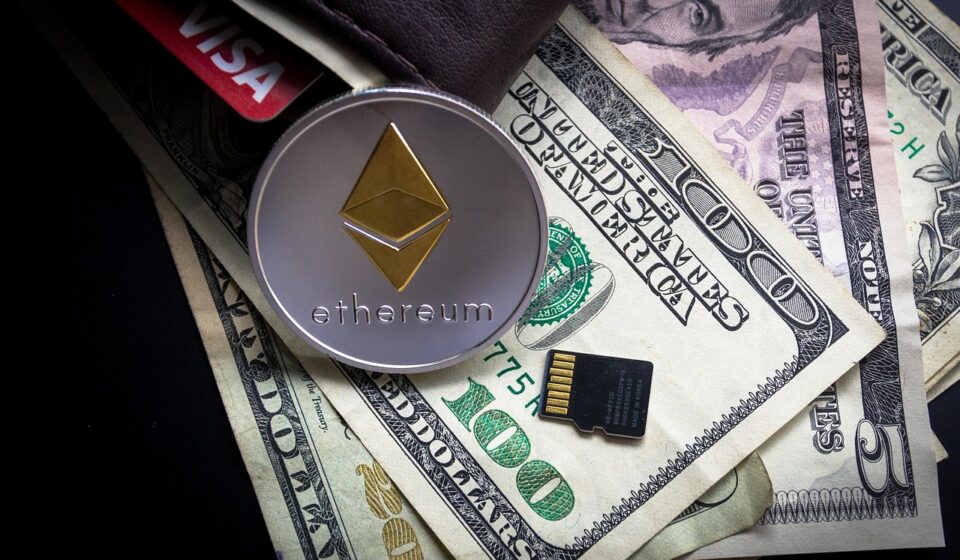

For someone who has just discovered digital wallets, it can be overwhelming to navigate through the numerous options and concerns surrounding this technology. Digital wallets are gaining attention right now due to their convenience, security, and widespread adoption by major retailers and financial institutions. As the world becomes increasingly digital, the need for a secure and efficient way to make transactions has never been more pressing. With the rise of contactless payments and online shopping, digital wallets are becoming an essential tool for anyone looking to simplify their financial transactions. Whether it’s making a purchase online or in-store, digital wallets offer a seamless and secure way to pay for goods and services. As the use of digital wallets continues to grow, it’s essential to understand the benefits and security of this technology.
📝 In This Post
What Is Digital Wallets?
Digital wallets, also known as e-wallets (electronic wallets), are software programs – or apps – that store payment information, such as credit or debit card details, and other personal data, like loyalty card numbers or coupons, in a secure environment – usually encrypted and password-protected. This allows users to make transactions online or in-person without the need for physical cards or cash. Digital wallets can be accessed through a variety of devices, including smartphones, tablets, and smartwatches, making it easy to make payments on the go.
| Term | Plain-English Meaning |
|---|---|
| E-wallet | A digital wallet that stores payment information and other personal data in a secure environment. |
| Contactless payment | A payment method that allows users to make transactions without physically swiping or inserting their card. |
| Tokenization | A process that replaces sensitive payment information with a unique token, making it more secure. |
| Biometric authentication | A security method that uses unique physical characteristics, such as fingerprints or facial recognition, to verify a user’s identity. |
| Encryption | A process that converts plaintext data into unreadable ciphertext to protect it from unauthorized access. |
| Two-factor authentication | A security method that requires a user to provide two different authentication factors, such as a password and a fingerprint, to access an account. |
Why Digital Wallets Matters
Digital wallets are not just a novelty, but a necessity in today’s digital age. They offer a convenient and secure way to make transactions, eliminating the need for physical cards or cash. According to a recent study, over 70% of consumers prefer to use digital wallets for online transactions, citing convenience and security as the primary reasons. Digital wallets also provide an additional layer of security, as they use tokenization and encryption to protect sensitive payment information. This reduces the risk of fraud and identity theft, giving users peace of mind when making transactions.
Moreover, digital wallets are becoming increasingly popular among businesses, with over 50% of retailers accepting contactless payments. This has led to an increase in sales, as customers are more likely to make impulse purchases when they don’t have to worry about carrying cash or physical cards. Digital wallets also provide businesses with valuable insights into customer behavior, allowing them to tailor their marketing strategies and improve customer satisfaction. For example, a study found that businesses that accepted digital wallets saw a 25% increase in sales and a 30% increase in customer loyalty.
Another significant benefit of digital wallets is their accessibility. They can be used by anyone with a smartphone or tablet, making it easier for people in remote or underserved areas to access financial services. According to the World Bank, over 2 billion people around the world lack access to formal financial services, but digital wallets can help bridge this gap. By providing a secure and convenient way to make transactions, digital wallets can help reduce poverty and increase financial inclusion.
Key Digital Wallets Advancements
1. Tokenization
Tokenization is a process that replaces sensitive payment information with a unique token, making it more secure. This token is then used to make transactions, eliminating the need for actual payment information to be transmitted. To use tokenization, users can simply add their payment information to their digital wallet and the token will be generated automatically. However, a common beginner mistake is to assume that tokenization is foolproof, when in reality, it can be vulnerable to hacking if not implemented correctly. replaces sensitive payment
For example, when making a purchase online, a user can select their digital wallet as the payment method and the token will be used to complete the transaction. This provides an additional layer of security, as the actual payment information is not transmitted. Advantages:
- Increased security: Tokenization reduces the risk of fraud and identity theft by not transmitting actual payment information.
- Convenience: Tokenization eliminates the need for users to enter their payment information for each transaction.
2. Biometric Authentication
Biometric authentication is a security method that uses unique physical characteristics, such as fingerprints or facial recognition, to verify a user’s identity. This provides an additional layer of security, as it is more difficult for hackers to replicate biometric data. To use biometric authentication, users can simply enroll their biometric data, such as their fingerprint, and it will be used to verify their identity for future transactions. However, a common beginner mistake is to assume that biometric authentication is foolproof, when in reality, it can be vulnerable to spoofing attacks if not implemented correctly.
For example, when making a purchase in-store, a user can use their fingerprint to authenticate the transaction, eliminating the need for a password or PIN. Advantages:
- Increased security: Biometric authentication provides an additional layer of security, as it is more difficult for hackers to replicate biometric data.
- Convenience: Biometric authentication eliminates the need for users to remember passwords or PINs.
3. Contactless Payments
Contactless payments are a payment method that allows users to make transactions without physically swiping or inserting their card. This is made possible through the use of near-field communication (NFC) technology, which enables devices to communicate with each other when in close proximity. To use contactless payments, users can simply add their payment information to their digital wallet and hold their device near the payment terminal. However, a common beginner mistake is to assume that contactless payments are only available for small transactions, when in reality, many merchants accept contactless payments for larger transactions as well.
For example, when making a purchase at a coffee shop, a user can simply hold their device near the payment terminal to complete the transaction. Advantages:
- Convenience: Contactless payments eliminate the need for users to physically swipe or insert their card.
- Speed: Contactless payments are faster than traditional payment methods, as they do not require users to wait for the payment to be processed.
4. Digital Wallet Apps
Digital wallet apps are software programs that allow users to store payment information and other personal data in a secure environment. These apps can be accessed through a variety of devices, including smartphones, tablets, and smartwatches. To use digital wallet apps, users can simply download the app, add their payment information, and start making transactions. However, a common beginner mistake is to assume that all digital wallet apps are created equal, when in reality, some apps may have more features or better security than others.
For example, a user can download a digital wallet app, such as Apple Pay or Google Pay, and add their payment information to start making transactions. Advantages: their payment information
- Convenience: Digital wallet apps eliminate the need for users to carry physical cards or cash.
- Security: Digital wallet apps provide an additional layer of security, as they use tokenization and encryption to protect sensitive payment information.
5. Encryption
Encryption is a process that converts plaintext data into unreadable ciphertext to protect it from unauthorized access. This is especially important for digital wallets, as they store sensitive payment information. To use encryption, users can simply ensure that their digital wallet app is using encryption to protect their data. However, a common beginner mistake is to assume that encryption is foolproof, when in reality, it can be vulnerable to hacking if not implemented correctly.
For example, when making a purchase online, a user can ensure that the website is using encryption to protect their payment information. Advantages:
- Increased security: Encryption reduces the risk of fraud and identity theft by protecting sensitive payment information.
- Compliance: Encryption is required by many regulatory bodies, such as the Payment Card Industry Data Security Standard (PCI DSS).
6. Two-Factor Authentication
Two-factor authentication is a security method that requires a user to provide two different authentication factors, such as a password and a fingerprint, to access an account. This provides an additional layer of security, as it is more difficult for hackers to obtain both authentication factors. To use two-factor authentication, users can simply enroll in the service and provide the required authentication factors. However, a common beginner mistake is to assume that two-factor authentication is foolproof, when in reality, it can be vulnerable to phishing attacks if not implemented correctly.
For example, when logging into their digital wallet account, a user can use two-factor authentication to verify their identity. Advantages:
- Increased security: Two-factor authentication provides an additional layer of security, as it is more difficult for hackers to obtain both authentication factors.
- Compliance: Two-factor authentication is required by many regulatory bodies, such as the PCI DSS.
7. Mobile Payments
Mobile payments are a payment method that allows users to make transactions using their mobile device. This can be done through the use of digital wallet apps, such as Apple Pay or Google Pay, or through the use of mobile payment services, such as PayPal. To use mobile payments, users can simply add their payment information to their digital wallet app and start making transactions. However, a common beginner mistake is to assume that mobile payments are only available for small transactions, when in reality, many merchants accept mobile payments for larger transactions as well.
For example, when making a purchase in-store, a user can use their mobile device to complete the transaction. Advantages:
- Convenience: Mobile payments eliminate the need for users to carry physical cards or cash.
- Speed: Mobile payments are faster than traditional payment methods, as they do not require users to wait for the payment to be processed.
| Step | What You Do | Expected Result |
|---|---|---|
| 1. Tokenization | Add payment information to digital wallet | Secure token generated |
| 2. Biometric Authentication | Enroll biometric data | Secure authentication |
| 3. Contactless Payments | Hold device near payment terminal | Transaction completed |
| 4. Digital Wallet Apps | Download and install app | Secure digital wallet |
| 5. Encryption | Ensure encryption is enabled | Secure data protection |
| 6. Two-Factor Authentication | Enroll in two-factor authentication | Secure authentication |
| 7. Mobile Payments | Add payment information to digital wallet | Secure mobile payments |
Frequently Asked Questions
What is a digital wallet?
A digital wallet is a software program that stores payment information and other personal data in a secure environment. It allows users to make transactions online or in-person without the need for physical cards or cash.
Is digital wallet secure?
Yes, digital wallets are secure. They use tokenization, encryption, and other security measures to protect sensitive payment information. However, as with any technology, there is always a risk of hacking or other security breaches.
Can I use digital wallet for online transactions?
Yes, digital wallets can be used for online transactions. In fact, many digital wallets are designed specifically for online transactions, and they provide an additional layer of security and convenience.
Do I need a smartphone to use digital wallet?
No, you don’t need a smartphone to use digital wallet. Many digital wallets can be accessed through a variety of devices, including tablets, smartwatches, and computers.
Can I use digital wallet for in-person transactions?
Yes, digital wallets can be used for in-person transactions. In fact, many merchants accept digital wallet payments, and they provide a convenient and secure way to make transactions.
The Big Picture
Digital wallets are revolutionizing the way people make transactions, offering a convenient and secure way to pay for goods and services. As the world becomes increasingly digital, the need for a secure and efficient way to make transactions has never been more pressing. With the rise of contactless payments and online shopping, digital wallets are becoming an essential tool for anyone looking to simplify their financial transactions. By understanding the benefits and security of digital wallets, users can take advantage of this technology and make their lives easier.
Digital wallets are not just a novelty, but a necessity in today’s digital age. They offer a convenient and secure way to make transactions, eliminating the need for physical cards or cash. As the use of digital wallets continues to grow, it’s essential to understand the benefits and security of this technology.
By adopting digital wallets, users can simplify their financial transactions, reduce the risk of fraud and identity theft, and take advantage of the many benefits that this technology has to offer. Whether it’s making a purchase online or in-store, digital wallets provide a seamless and secure way to pay for goods and services.
Don't Miss These

Learn More