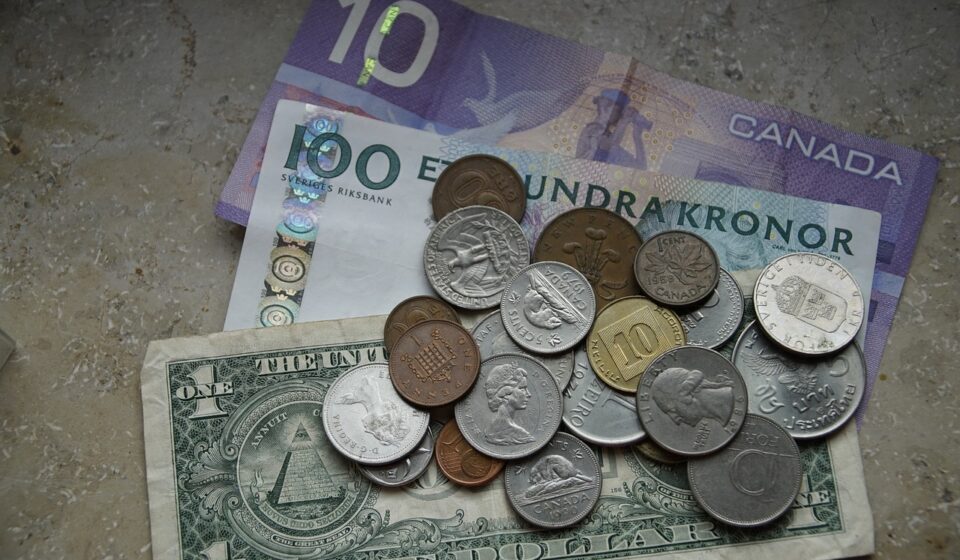

Many people assume that international money transfers are a straightforward process, but the reality is that they can be complex and daunting, especially for beginners. The process involves multiple parties, including banks, financial institutions, and transfer services, each with their own set of fees and exchange rates. As a result, it’s easy to get lost in the system and end up with less money than expected. Here’s the key thing to understand: not all transfer methods are created equal, and choosing the right one can make all the difference. Most people miss this crucial aspect, and it’s what sets them up for potential losses. With the right knowledge, however, anyone can master international money transfers and ensure their transactions are secure, efficient, and cost-effective.
📝 What You'll Learn
A Closer Look at International Money Transfer
International money transfer refers to the process of sending money from one country to another, typically involving different currencies. This process can be facilitated through various channels, including banks, online transfer services, and money transfer operators. Each of these channels has its own strengths and weaknesses, and understanding these differences is crucial for making informed decisions. For instance, banks are generally considered secure but often come with higher fees and less competitive exchange rates compared to specialized transfer services.
The context of international money transfer is broad and encompasses a wide range of scenarios, from individuals sending money to family members abroad to businesses conducting cross-border transactions. Regardless of the scenario, the core principles remain the same: to achieve the best possible exchange rate while minimizing transfer fees. The following comparison table highlights some of the key differences between popular transfer methods:
| Method | Fees | Exchange Rates | Transfer Speed |
|---|---|---|---|
| Banks | High | Less Competitive | Slow to Medium |
| Online Transfer Services | Low to Medium | Competitive | Fast |
| Money Transfer Operators | Medium | Varies | Medium |
| Cryptocurrencies | Low | Volatile | Fast |
Understanding these differences is the first step towards making informed decisions when it comes to international money transfers. Whether it’s for personal or business reasons, the goal is always to find the most efficient and cost-effective method.
International Money Transfer Methods Worth Knowing
1. Bank Transfers
Bank transfers are one of the most traditional methods of international money transfer. They involve sending money from the sender’s bank account to the recipient’s bank account in another country. This method is generally considered secure but can be slow and expensive due to high fees and less competitive exchange rates. However, for many, the familiarity and security of using a bank make it a preferred choice.
The process typically involves the sender providing the recipient’s bank details, including the SWIFT code, IBAN, or account number, depending on the countries involved. The sender’s bank then initiates the transfer, which can take several days to complete, depending on the banks and countries involved.
Why It Works:
- Security: Banks are heavily regulated and offer a high level of security for transactions.
- Familiarity: Many people are comfortable using banks for their financial transactions.
- Wide Reach: Banks have a wide reach, making it possible to send money to almost any country.
2. Online Money Transfer Services
Online money transfer services have become increasingly popular due to their efficiency, competitive exchange rates, and lower fees compared to traditional banks. These services operate online, allowing users to send money internationally with just a few clicks. They often provide real-time exchange rates and transparent fees, making it easier for users to compare and choose the best option.
The process typically involves creating an account with the service, entering the recipient’s details, and funding the transfer. Some services offer additional features, such as the ability to schedule transfers in advance or send money to mobile wallets.
Why It Works:
- Convenience: Online services are accessible 24/7 and can be used from anywhere with an internet connection.
- Competitive Rates: They often offer better exchange rates than banks, resulting in more money for the recipient.
- Speed: Transfers are typically faster than traditional bank transfers.
3. Money Transfer Operators
Money transfer operators, such as Western Union and MoneyGram, specialize in international money transfers. They have a wide network of agents in many countries, making it possible to send and receive cash almost anywhere in the world. While they can be more expensive than online services, they offer a convenient option for those who prefer cash transactions or do not have access to online services.
The process involves visiting an agent location, providing the necessary documents and information, and paying for the transfer. The recipient can then collect the cash from an agent location in their country.
Why It Works:
- Accessibility: Money transfer operators have a wide reach, especially in areas where online services may not be available.
- Speed: Cash can be available for pickup within minutes of the transfer being initiated.
- Convenience: No need for bank accounts or online access for the recipient.
4. Cryptocurrencies
Cryptocurrencies, such as Bitcoin, offer a new and innovative way to transfer money internationally. Transactions are recorded on a public ledger called a blockchain, which ensures security and transparency. While cryptocurrencies can be volatile, they offer a fast and low-cost method for international money transfers, especially for tech-savvy individuals.
The process involves buying the cryptocurrency with the sender’s local currency, sending it to the recipient’s digital wallet, and then the recipient can exchange it for their local currency. However, the volatility of cryptocurrencies means that the value can fluctuate significantly during the transfer process.
Why It Works:
- Security: Transactions are secure and immutable due to the blockchain technology.
- Low Fees: Transaction fees are generally lower than traditional transfer methods.
- Speed: Transactions are processed rapidly, often in a matter of minutes.
5. Prepaid Debit Cards
Prepaid debit cards are another option for international money transfers, especially for smaller amounts. These cards can be loaded with funds and used like regular debit cards for purchases or cash withdrawals abroad. They offer a convenient and secure way to manage expenses while traveling or for everyday use in another country.
The process involves purchasing a prepaid debit card, loading it with funds, and then using it for transactions. Some cards offer additional features, such as the ability to reload funds or use them for online purchases.
Why It Works:
- Convenience: Easy to use for everyday purchases or cash withdrawals.
- Security: Funds are secured on the card, reducing the risk of carrying large amounts of cash.
- Control: It’s easier to manage and limit expenses with a prepaid card.
How This Affects Everyday Life
✔ Enhanced Financial Inclusion
The availability of various international money transfer methods enhances financial inclusion by providing options for individuals and businesses to participate in the global economy. This is particularly significant for underserved communities or countries with limited access to traditional banking services.
✔ Increased Efficiency
Modern transfer methods, especially online services and cryptocurrencies, offer faster transaction times, reducing the wait for recipients to access their funds. This efficiency can be crucial for emergencies or time-sensitive transactions.
✔ Better Exchange Rates
Competitive exchange rates offered by some transfer services mean that recipients can receive more money than they would with traditional banks. This can make a significant difference, especially for regular transactions or large amounts.
 Lower Fees
Many modern transfer methods charge lower fees than traditional banks, reducing the cost of international money transfers. This is beneficial for both individuals and businesses, allowing them to save on transaction costs.
✔ Improved Security
The security of international money transfers has improved significantly with the advent of online services and cryptocurrencies. These methods often employ advanced security measures, such as encryption and blockchain technology, to protect transactions.
✔ Increased Accessibility
The wide range of transfer methods available today means that individuals and businesses have more options than ever to send and receive money internationally. This increased accessibility is particularly beneficial for those in remote or underserved areas.
| Country | Transfer Method | Popularity | Fees |
|---|---|---|---|
| USA | Online Services | High | Low to Medium |
| Europe | Banks | Medium | High |
| Asia | Cryptocurrencies | Growing | Low |
| Africa | Money Transfer Operators | High | Medium |
Upcoming Trends
- Increased Adoption of Cryptocurrencies: As more people become aware of the benefits of cryptocurrencies for international money transfers, their adoption is expected to increase, offering faster and more secure transactions.
- Expansion of Online Transfer Services: Online money transfer services are expected to expand their reach, offering more competitive rates and faster transactions, which will further challenge traditional banking methods.
- Improved Security Measures: The implementation of advanced security measures, such as biometric authentication and AI-powered fraud detection, will become more prevalent to protect transactions and prevent fraud.
- Increased Regulatory Clarity: Regulatory bodies are expected to provide clearer guidelines on international money transfers, especially concerning cryptocurrencies, which will help in reducing uncertainty and promoting compliance.
- Growing Demand for Mobile Payments: The demand for mobile payment solutions for international money transfers is anticipated to grow, driven by the convenience and accessibility of mobile devices.
This trend is driven by advancements in blockchain technology and the growing understanding of cryptocurrency markets. As regulatory frameworks become clearer, more individuals and businesses are likely to explore the use of cryptocurrencies for cross-border transactions.
This expansion is fueled by consumer demand for convenient, low-cost, and efficient transfer solutions. As online services continue to innovate and improve their offerings, they are poised to capture a larger share of the international money transfer market.
Security is a top priority in the financial sector, and international money transfer services are no exception. By adopting cutting-edge security technologies, these services can provide users with an additional layer of protection, enhancing trust and reliability.
Clear and consistent regulations are essential for the growth and development of the international money transfer sector. As governments and international organizations work to establish more defined rules and standards, the industry is likely to experience increased stability and legitimacy.
Mobile payments are transforming the way people send and receive money, offering a convenient and accessible means of conducting financial transactions on the go. As mobile technology continues to advance and more services integrate mobile payment options, this trend is expected to accelerate.
Key Takeaways
Mastering international money transfers requires understanding the various methods available, their strengths and weaknesses, and how they can be used to achieve the best possible outcomes. By choosing the right transfer method, individuals and businesses can save on fees, secure better exchange rates, and ensure their transactions are efficient and secure. The future of international money transfers is likely to be shaped by technological advancements, regulatory developments, and changing consumer preferences, offering opportunities for innovation and growth in the sector.
The ability to navigate the complex landscape of international money transfers with confidence is invaluable in today’s global economy. Whether for personal or business reasons, having the knowledge to make informed decisions about how to send and receive money across borders can provide a significant advantage. As the sector continues to evolve, staying informed about the latest trends, technologies, and best practices will be crucial for maximizing the benefits of international money transfers.
To wrap up, the world of international money transfers is multifaceted and dynamic, influenced by a myriad of factors and trends. By grasping the fundamentals and staying abreast of developments, individuals and businesses can harness the potential of international money transfers to facilitate global connections and economic opportunities.
Don't Miss These


One More Thing