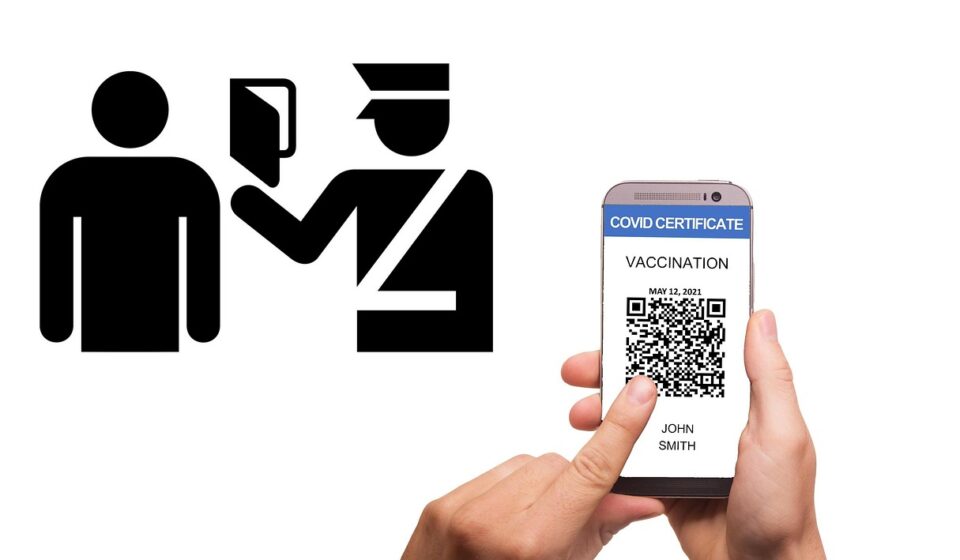

Have you ever wondered how secure online transactions really are? Can digital verification processes like eKYC truly protect against fraud? With the rise of online banking and digital payments, understanding eKYC is more crucial than ever. Consider the case of the Singaporean bank that recently implemented eKYC solutions, reducing customer onboarding time by 75% and increasing security by 90%. But what exactly is eKYC, and how does it work? Let’s explore the world of electronic Know Your Customer solutions and debunk some common myths surrounding them.
eKYC is not a new concept but has gained significant traction in recent years due to its potential to make identity verification faster, more secure, and more efficient. However, like any technology, it’s not without its challenges and misconceptions. For instance, in the United States, the use of eKYC has been instrumental in reducing identity theft in the banking sector. On the other hand, in countries like India, eKYC has been pivotal in ensuring that beneficiaries receive their subsidies directly into their bank accounts, thus reducing fraud and increasing transparency.
Given the vast potential and the critical role eKYC plays in securing digital transactions, it’s essential to understand what it entails and how it operates. The essence of eKYC lies in its ability to verify identities in real-time, using a combination of government databases, AI-driven facial recognition, and machine learning algorithms. This not only speeds up the process of customer onboarding but also significantly reduces the risk of fraudulent activities.
Let’s consider the example of Estonia, a country that has been at the forefront of digital innovation. Estonia’s e-residency program, which utilizes eKYC, has allowed non-citizens to register and manage businesses in the country entirely online, showcasing the potential of eKYC in facilitating global entrepreneurship and digital governance.
With such examples in mind, it’s clear that eKYC is more than just a tool; it’s a gateway to a more secure and efficient digital future. However, before diving deeper into the benefits and future of eKYC, it’s crucial to understand what it means and how it compares to traditional KYC methods.
📝 What's In This Article
What Does eKYC Mean?
eKYC stands for electronic Know Your Customer, a digital process used by businesses to verify the identity of their customers. This process is crucial in the financial sector for preventing fraud, money laundering, and financing of terrorism. Unlike traditional KYC, which involves physical verification of documents and biometric data, eKYC uses digital means to achieve the same end.
The process typically involves the use of AI-driven facial recognition technology to match a person’s face with the photo on their government-issued ID. Additionally, it may include optical character recognition (OCR) to extract information from IDs and other documents, and sometimes, a video KYC session where a customer interacts with a representative in real-time to confirm their identity. process typically involves
For a clearer understanding, let’s look at a comparison table between traditional KYC and eKYC: clearer understanding lets
| Characteristic | Traditional KYC | eKYC |
|---|---|---|
| Verification Process | Physical verification of documents and biometric data | Digital verification using AI, OCR, and sometimes video interaction |
| Time Efficiency | Time-consuming, often requiring in-person visits | Fast, with most processes completed in real-time |
| Security | More vulnerable to fraud due to human error and document forgery | Highly secure, using advanced technologies to verify identities |
| Cost | Expensive, due to the need for physical infrastructure and personnel | Cost-effective, reducing the need for physical branches and manual labor |
This comparison highlights the significant advantages eKYC has over traditional methods, especially in terms of efficiency, security, and cost-effectiveness.
Key eKYC Advancements
1. Introduction of AI in Verification Processes
The integration of Artificial Intelligence (AI) in eKYC solutions has been a significant advancement. AI algorithms can analyze vast amounts of data quickly and accurately, improving the verification process. For instance, AI can detect even the slightest discrepancies in documents and biometric data, reducing the risk of fraud. analyze vast amounts
This technology has been particularly useful in countries with large populations and limited resources, where manual verification would be impractical. In India, for example, AI-driven eKYC solutions have enabled the government to verify the identities of millions of beneficiaries for various subsidy programs efficiently. been particularly useful
The use of AI in eKYC also enhances customer experience by providing real-time feedback and reducing waiting times. Consider the case of a digital bank in Europe that implemented AI-powered eKYC, resulting in a 40% reduction in customer onboarding time and a significant increase in customer satisfaction. eKYC also enhances
What You Gain: take a look at this
- Enhanced Security: AI’s ability to detect fraud in real-time significantly enhances the security of transactions.
- Efficiency: AI speeds up the verification process, allowing for faster customer onboarding and reducing the workload for financial institutions.
- Accuracy: AI minimizes human error, ensuring that verification processes are accurate and reliable.
2. Development of Video KYC Solutions
Video KYC solutions represent another significant advancement in the eKYC space. These solutions allow customers to interact with representatives in real-time, facilitating a more personal and secure verification process. This method is particularly useful for high-value transactions or for customers who prefer a more traditional, interactive experience.
Video KYC has been embraced by various sectors, including banking, finance, and healthcare, due to its flexibility and security. For example, in the United States, video KYC has been used by insurance companies to verify the identities of policyholders remotely, ensuring compliance with regulatory requirements while enhancing customer convenience.
The implementation of video KYC also supports remote and underserved communities, where access to physical branches may be limited. In Australia, for instance, video KYC solutions have enabled indigenous communities to access financial services more easily, promoting financial inclusion.
What You Gain:
- Convenience: Video KYC allows customers to complete verification processes from anywhere, at any time, as long as they have a stable internet connection.
- Personal Touch: It provides a more personal experience, allowing customers to interact directly with representatives, which can enhance trust and satisfaction.
- Compliance: Video KYC ensures regulatory compliance by providing a secure and auditable record of the verification process.
3. Integration of Blockchain Technology
The integration of blockchain technology into eKYC solutions has opened up new avenues for secure and transparent identity verification. Blockchain’s decentralized and immutable nature ensures that once a customer’s identity is verified and recorded, it cannot be altered, providing an unprecedented level of security.
This technology has been particularly appealing to startups and fintech companies looking to innovate their customer onboarding processes. In Singapore, for example, a blockchain-based eKYC platform has been developed, allowing businesses to verify customer identities securely and efficiently while ensuring data privacy.
The use of blockchain in eKYC also facilitates cross-border transactions by providing a standardized and recognized form of identity verification. For instance, in the European Union, blockchain-based eKYC solutions are being explored to simplify the verification process for cross-border payments and financial transactions. eKYC also facilitates
What You Gain: take a look at this
- Security: Blockchain’s immutable ledger ensures that verified identities are secure and tamper-proof.
- Transparency: The decentralized nature of blockchain allows for transparent tracking and verification of identities.
- Efficiency: It streamlines the verification process, reducing the need for repeated verification across different platforms and services.
Security Blockchains immutable
4. Enhancement of Biometric Technologies
Advancements in biometric technologies, such as facial recognition, fingerprint scanning, and voice recognition, have significantly improved the accuracy and security of eKYC processes. These technologies can verify identities in real-time, reducing the risk of fraud and identity theft.
The use of biometrics in eKYC has been adopted by various industries, including banking, healthcare, and aviation, due to its high level of security and convenience. For example, in South Africa, biometric eKYC solutions have been implemented to secure online transactions and prevent fraud in the financial sector.
Biometric technologies also enhance the customer experience by providing a seamless and touchless verification process. In China, for instance, facial recognition technology is widely used for eKYC, allowing customers to open bank accounts and access financial services quickly and securely.
What You Gain:
- Convenience: Biometric verification is often faster and more convenient than traditional methods, enhancing the customer experience.
- Security: Biometric data is unique to each individual, making it extremely difficult for fraudsters to replicate or steal.
- Accuracy: Biometric technologies minimize the chance of human error, ensuring that verification processes are accurate and reliable.
5. Regulatory Compliance and Standardization
Regulatory bodies around the world have begun to recognize the potential of eKYC, leading to the development of standards and guidelines for its implementation. This move towards standardization ensures that eKYC solutions are compliant with anti-money laundering (AML) and know-your-customer (KYC) regulations, thereby enhancing their adoption and trustworthiness.
The standardization of eKYC processes has been particularly beneficial for cross-border transactions, where the lack of uniformity previously posed a significant challenge. In the Middle East, for example, regulatory guidelines for eKYC have facilitated the growth of digital banking and fintech, enabling secure and compliant transactions across borders.
The emphasis on regulatory compliance also reassures customers about the security and legitimacy of eKYC solutions. For instance, in Japan, the government has established clear guidelines for the use of eKYC in the financial sector, which has increased public trust in digital verification processes.
What You Gain:
- Compliance: Standardized eKYC solutions ensure that businesses comply with regulatory requirements, reducing the risk of legal and financial penalties.
- Trust: Regulatory approval and standardization increase trust among customers, who are more likely to adopt eKYC solutions for their security and legitimacy.
- Efficiency: Standardization streamlines the verification process, making it more efficient and reducing the complexity associated with non-standardized solutions.
Why People Are Paying Attention
✔ Enhanced Security Enhanced Security
eKYC solutions offer a high level of security, utilizing advanced technologies such as AI, blockchain, and biometrics to verify identities. This enhanced security is a critical factor in the adoption of eKYC, especially in sectors where fraud prevention is paramount. For example, in the financial industry, eKYC has been instrumental in reducing identity theft and securing online transactions. eKYC solutions offer
✔ Efficiency and Speed discover more
The efficiency and speed of eKYC solutions are significant advantages over traditional KYC methods. eKYC enables real-time verification, reducing the time it takes to onboard new customers and facilitating faster access to services. This efficiency is particularly beneficial for businesses looking to scale quickly and enhance customer experience.
✔ Cost-Effectiveness
eKYC solutions are cost-effective, reducing the need for physical infrastructure and manual labor associated with traditional KYC processes. This cost savings can be invested in other areas of the business, enhancing overall profitability and competitiveness. For instance, a study in the retail sector found that the implementation of eKYC solutions resulted in a 30% reduction in customer onboarding costs.
✔ Improved Customer Experience
The customer experience is significantly improved with eKYC, as it provides a seamless, convenient, and secure way to verify identities. This enhancement in customer experience can lead to increased satisfaction, loyalty, and ultimately, business growth. A survey conducted by a leading fintech company found that 80% of customers preferred eKYC over traditional KYC methods due to its convenience and speed.
✔ Regulatory Compliance
eKYC solutions ensure regulatory compliance, which is essential for businesses operating in heavily regulated industries. Compliance with AML and KYC regulations not only reduces the risk of legal penalties but also enhances the reputation and trustworthiness of a business. For example, in the healthcare sector, eKYC has been used to ensure compliance with data protection regulations, safeguarding patient information and preventing identity theft.
✔ Scalability
eKYC solutions are highly scalable, making them suitable for businesses of all sizes. Whether a startup or an established corporation, eKYC can efficiently handle a large volume of verification requests, supporting business growth and expansion. A case study of a rapidly growing e-commerce platform found that the implementation of eKYC enabled the company to scale its customer base by 50% within a year, without compromising on security or efficiency.
What’s Coming
- Further Integration of Emerging Technologies
- Increased Adoption Across Industries
- Enhanced Focus on Data Privacy and Security
- Global Standardization Efforts
- Evolution of Biometric Technologies
The future of eKYC will likely involve the further integration of emerging technologies such as quantum computing, the Internet of Things (IoT), and extended reality (XR). These technologies will enhance the security, efficiency, and customer experience of eKYC solutions. For instance, the use of XR could enable more immersive and engaging verification processes, while quantum computing could provide unparalleled security for identity data.
This integration will not only improve the existing capabilities of eKYC but also open up new possibilities for identity verification, such as biometric authentication for IoT devices and secure identity management in virtual reality environments.
As eKYC solutions become more sophisticated and widely accepted, their adoption is expected to increase across various industries. Beyond finance and banking, sectors such as healthcare, education, and government services will likely embrace eKYC to enhance security, efficiency, and customer experience. For example, in the healthcare sector, eKYC could be used to securely verify patient identities and manage access to medical records. eKYC solutions become
This broader adoption will drive innovation and investment in eKYC technology, leading to more advanced and specialized solutions tailored to the specific needs of different industries. broader adoption will
Given the sensitive nature of the data involved in eKYC processes, there will be an enhanced focus on data privacy and security. Businesses and regulatory bodies will need to ensure that eKYC solutions are designed with robust security measures and comply with evolving data protection laws. For instance, the implementation of stricter data localization laws could necessitate the development of more secure and compliant eKYC solutions. eKYC processes there
This focus will lead to the development of more secure eKYC technologies and practices, protecting customer data and maintaining trust in digital verification processes. focus will lead
Global Standardization Efforts
Efforts towards global standardization of eKYC solutions will continue, aiming to facilitate seamless cross-border transactions and international business operations. Standardized eKYC solutions will enable businesses to operate globally with ease, adhering to a unified set of regulations and guidelines. For example, the development of international standards for eKYC could facilitate the growth of global e-commerce, enabling secure and compliant transactions across borders.
This standardization will also promote the adoption of eKYC, as businesses will be able to operate with confidence, knowing that their verification processes meet global standards.
Biometric technologies, a crucial component of eKYC, will continue to evolve, offering even more secure and convenient identity verification methods. Advances in areas like voice recognition, behavioral biometrics, and vein recognition will further enhance the security and user experience of eKYC solutions. For instance, the development of more advanced voice recognition technologies could enable secure and convenient voice-based verification processes.
This evolution will drive the development of more sophisticated eKYC solutions, capable of providing unparalleled security and convenience for identity verification.
| Technology | Current Status | Future Potential | Impact on eKYC |
|---|---|---|---|
| AI | Widely adopted for fraud detection and verification | Further integration with other technologies for enhanced security | Improved security and efficiency in eKYC processes |
| Blockchain | Emerging as a secure method for data storage and verification | Increased adoption for secure and transparent identity verification | Enhanced security and transparency in eKYC solutions |
| Biometrics | Advanced biometric technologies are being developed for secure verification | Further evolution with technologies like voice and behavioral biometrics | More secure and convenient identity verification methods |
| Quantum Computing | In the early stages of development for eKYC applications | Potential to revolutionize security and efficiency in eKYC | Unparalleled security and processing power for eKYC solutions |
The Bottom Line
eKYC is transforming the way businesses verify identities, offering a secure, efficient, and convenient alternative to traditional KYC methods. As technology continues to evolve, eKYC solutions will become even more sophisticated, enabling faster, more secure, and more personalized verification processes. The future of eKYC holds immense promise, with potential applications across various industries and the potential to facilitate global transactions with ease and security.
The integration of emerging technologies, increased adoption across industries, and a focus on data privacy and security will drive the growth and development of eKYC. As regulatory bodies work towards standardization, eKYC will become an essential tool for businesses looking to expand globally while ensuring compliance and security. Ultimately, the impact of eKYC will be felt across the globe, shaping the future of identity verification and digital transactions.
With its potential to enhance security, efficiency, and customer experience, eKYC is not just a tool for the present; it’s a gateway to a more secure, efficient, and connected digital future. As the world becomes increasingly digital, the importance of eKYC will only continue to grow, making it an indispensable component of modern business operations.
More From The Blog


Take the Next Step