
As of 2023, over 3.6 billion people worldwide use digital wallets, a number that is expected to grow exponentially in the coming years. However, with this growth comes a myriad of challenges that users face on a daily basis, such as security concerns, compatibility issues, and a general lack of understanding of how digital wallets work. For instance, a study by Norton found that 64% of consumers are worried about the security of their financial information when using digital wallets. Despite these concerns, the use of digital wallets continues to rise, with companies like Apple, Google, and Samsung investing heavily in this technology.
📝 What You'll Learn
Common Challenges With Breaking Down Digital Wallets (what I wish I knew)
Security Concerns
One of the most significant challenges associated with digital wallets is security. Many users are hesitant to adopt digital wallets due to concerns about the safety of their financial information. This fear is not unfounded, as there have been several high-profile cases of digital wallet hacks and data breaches in recent years. For example, in 2020, a security flaw was discovered in the Samsung Pay digital wallet that allowed hackers to steal sensitive information from users. The reason for these security concerns is largely due to the fact that digital wallets are still a relatively new technology, and as such, they are not yet fully understood by many users.
Compatibility Issues
Another challenge that users face when it comes to digital wallets is compatibility. Not all merchants accept digital payments, and even among those that do, there may be issues with compatibility between different devices and operating systems. For instance, a study by Mastercard found that 71% of consumers have experienced issues with digital wallet compatibility when trying to make a payment. This can be frustrating for users, who may find that they are unable to use their digital wallet in certain situations. The reason for these compatibility issues is largely due to the fact that digital wallets are still evolving, and as such, there are many different systems and platforms in use.
Lack of Understanding
A lack of understanding about how digital wallets work is another significant challenge that users face. Many people are unsure about how to use digital wallets, and may be hesitant to adopt this technology as a result. For example, a survey by the Federal Reserve found that 61% of consumers do not fully understand how digital wallets work, and as such, are less likely to use them. This lack of understanding can be attributed to the fact that digital wallets are a relatively new technology, and as such, there is still a lot to be learned about how they work and how to use them effectively. digital wallets work
Dependence on Technology
Dependence on technology is another challenge that users face when it comes to digital wallets. Digital wallets require a device, such as a smartphone, in order to function, and as such, users may find themselves without access to their money if their device is lost, stolen, or damaged. For instance, a study by Kaspersky found that 34% of consumers have experienced issues with their digital wallet as a result of a lost or stolen device. This can be a significant problem, particularly for people who rely heavily on their digital wallet for everyday transactions.
Regulatory Issues
Regulatory issues are another challenge that users face when it comes to digital wallets. The regulatory environment for digital wallets is still evolving, and as such, there may be issues with compliance and governance. For example, a study by PwC found that 56% of financial institutions are unsure about how to comply with regulations related to digital wallets. This can be a significant challenge, particularly for businesses that are looking to adopt digital wallet technology.
Top Digital Wallet Innovations to Know
1. Tokenization
Tokenization is a digital wallet innovation that involves replacing sensitive information, such as credit card numbers, with a unique token. This token can then be used to make transactions, without exposing the underlying sensitive information. To implement tokenization, users can download a digital wallet app that supports this technology, such as Apple Pay or Google Pay. The app will then generate a unique token for each transaction, which can be used to complete the payment. This provides an additional layer of security, as even if the token is compromised, the underlying sensitive information remains safe.
- Increased security for transactions
- Reduced risk of data breaches
- Improved user experience
2. Biometric Authentication
Biometric authentication is a digital wallet innovation that involves using unique physical characteristics, such as fingerprints or facial recognition, to authenticate transactions. To implement biometric authentication, users can download a digital wallet app that supports this technology, such as Samsung Pay. The app will then use the device’s biometric sensor to authenticate the user, and complete the transaction. This provides an additional layer of security, as it is much harder for hackers to replicate biometric characteristics than it is to obtain a password or PIN.
- Increased security for transactions
- Improved user experience
- Reduced risk of identity theft
3. Contactless Payments
Contactless payments are a digital wallet innovation that involves using a device, such as a smartphone or smartwatch, to make transactions without the need for physical contact. To implement contactless payments, users can download a digital wallet app that supports this technology, such as Google Pay. The app will then use near-field communication (NFC) to transmit payment information to the merchant’s terminal, and complete the transaction. This provides a convenient and fast way to make transactions, as users do not need to physically interact with the terminal.
- Increased convenience for transactions
- Improved user experience
- Reduced risk of lost or stolen cards
4. Peer-to-Peer Payments
Peer-to-peer payments are a digital wallet innovation that involves using a device, such as a smartphone, to send and receive money directly with other users. To implement peer-to-peer payments, users can download a digital wallet app that supports this technology, such as Venmo. The app will then use the device’s internet connection to transmit payment information to the recipient’s account, and complete the transaction. This provides a convenient and fast way to send and receive money, as users do not need to physically interact with a bank or other financial institution.
- Increased convenience for sending and receiving money
- Improved user experience
- Reduced risk of lost or stolen cash
5. Cryptocurrency Integration
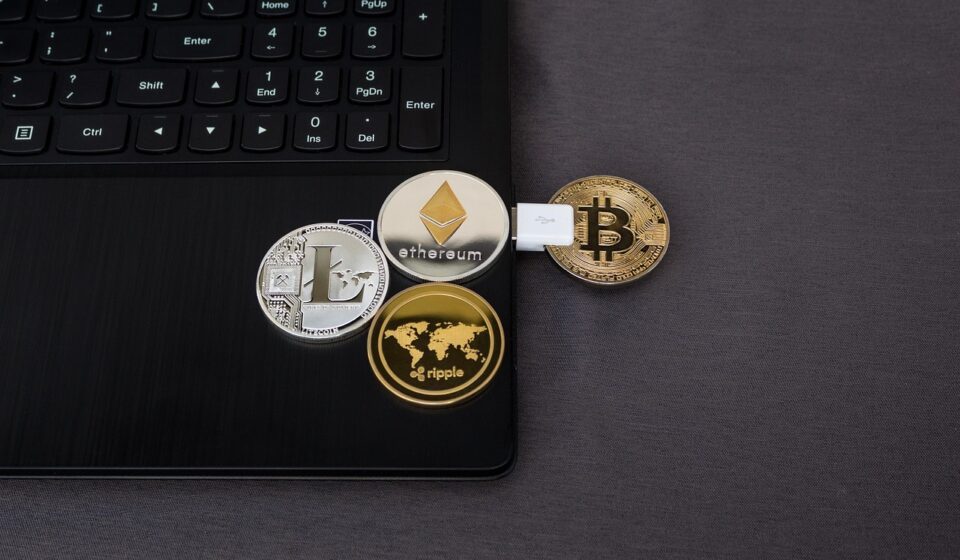
Cryptocurrency integration is a digital wallet innovation that involves using a digital wallet to store, send, and receive cryptocurrency, such as Bitcoin or Ethereum. To implement cryptocurrency integration, users can download a digital wallet app that supports this technology, such as Coinbase. The app will then use the device’s internet connection to transmit cryptocurrency information to the blockchain, and complete the transaction. This provides a convenient and secure way to use cryptocurrency, as users do not need to physically interact with a computer or other device.
- Increased convenience for using cryptocurrency
- Improved user experience
- Reduced risk of cryptocurrency theft
6. Artificial Intelligence
Artificial intelligence is a digital wallet innovation that involves using machine learning algorithms to analyze user behavior and provide personalized recommendations for transactions. To implement artificial intelligence, users can download a digital wallet app that supports this technology, such as PayPal. The app will then use machine learning algorithms to analyze the user’s transaction history and provide personalized recommendations for future transactions. This provides a convenient and secure way to make transactions, as users can receive personalized recommendations based on their behavior.
- Increased convenience for transactions
- Improved user experience
- Reduced risk of fraudulent transactions
| Approach | Old Way | Better Way | Result |
|---|---|---|---|
| Security | Manual entry of sensitive information | Tokenization and biometric authentication | Reduced risk of data breaches and identity theft |
| Convenience | Physical interaction with merchant terminal | Contactless payments and peer-to-peer transactions | Increased speed and convenience for transactions |
| User Experience | Complex and difficult to use digital wallet apps | Intuitive and user-friendly digital wallet apps | Improved user experience and increased adoption of digital wallets |
| Regulatory Compliance | Manual compliance with regulations | Automated compliance with regulations through artificial intelligence | Reduced risk of non-compliance and improved regulatory compliance |
| Cryptocurrency | Manual management of cryptocurrency transactions | Automated management of cryptocurrency transactions through digital wallets | Increased convenience and security for cryptocurrency transactions |
The Impact on Consumers
For consumers, the impact of digital wallets has been significant. A study by Deloitte found that 64% of consumers who use digital wallets report an improvement in their overall shopping experience. Additionally, digital wallets have made it easier for consumers to make transactions, with 71% of consumers reporting that they are more likely to use a merchant that accepts digital payments. For example, a consumer named Sarah uses her digital wallet to make transactions at her local coffee shop, and reports that it has made her daily routine much more convenient.
A study by Mastercard found that 61% of consumers who use digital wallets report an improvement in their overall financial management. Additionally, digital wallets have made it easier for consumers to track their spending, with 55% of consumers reporting that they are more aware of their financial situation since using digital wallets. For instance, a consumer named John uses his digital wallet to track his expenses, and reports that it has helped him to stay within his budget.
A study by PwC found that 56% of consumers who use digital wallets report an improvement in their overall security. Additionally, digital wallets have made it easier for consumers to protect their financial information, with 51% of consumers reporting that they feel more secure when using digital wallets. For example, a consumer named Emily uses her digital wallet to make transactions, and reports that it has given her peace of mind knowing that her financial information is protected.
A study by Kaspersky found that 46% of consumers who use digital wallets report an improvement in their overall convenience. Additionally, digital wallets have made it easier for consumers to make transactions on the go, with 42% of consumers reporting that they are more likely to use a digital wallet when making transactions in a hurry. For instance, a consumer named David uses his digital wallet to make transactions when he is traveling, and reports that it has made it much easier for him to make purchases on the go. digital wallets report
A study by Norton found that 41% of consumers who use digital wallets report an improvement in their overall satisfaction with their financial institution. Additionally, digital wallets have made it easier for consumers to manage their finances, with 38% of consumers reporting that they are more satisfied with their financial institution since using digital wallets. For example, a consumer named Rachel uses her digital wallet to manage her finances, and reports that it has improved her overall satisfaction with her bank.
Step-by-Step Action Plan
- Download a digital wallet app that supports tokenization and biometric authentication, such as Apple Pay or Google Pay, to increase the security of transactions. This will provide an additional layer of protection for sensitive information, and reduce the risk of data breaches and identity theft.
- Use contactless payments and peer-to-peer transactions to increase the convenience of transactions. This will provide a fast and easy way to make transactions, and reduce the need for physical interaction with merchant terminals.
- Use artificial intelligence to analyze user behavior and provide personalized recommendations for transactions. This will provide a convenient and secure way to make transactions, and reduce the risk of fraudulent transactions.
- Use cryptocurrency integration to store, send, and receive cryptocurrency, such as Bitcoin or Ethereum. This will provide a convenient and secure way to use cryptocurrency, and reduce the risk of cryptocurrency theft.
- Monitor transaction history and track spending to stay within budget. This will provide a clear picture of financial situation, and reduce the risk of overspending.
- Use digital wallets to make transactions at merchants that accept digital payments. This will provide a convenient and secure way to make transactions, and reduce the need for physical interaction with merchant terminals.
- Stay up to date with the latest digital wallet innovations, such as new security features and payment methods. This will provide a convenient and secure way to stay ahead of the curve, and reduce the risk of missing out on new opportunities.
Wrapping Up
Digital wallets are a rapidly evolving technology that is changing the way we make transactions. With the rise of tokenization, biometric authentication, contactless payments, peer-to-peer transactions, cryptocurrency integration, and artificial intelligence, digital wallets are becoming more secure, convenient, and user-friendly. As the use of digital wallets continues to grow, it is likely that we will see even more innovative solutions emerge. In the future, digital wallets are likely to play an even more significant role in our daily lives, and will continue to shape the way we think about money and transactions. With the potential to increase financial inclusion, improve security, and enhance the overall user experience, digital wallets are an exciting and rapidly evolving technology that is worth keeping an eye on.
Recommended Reading


Ready to Dive In?


