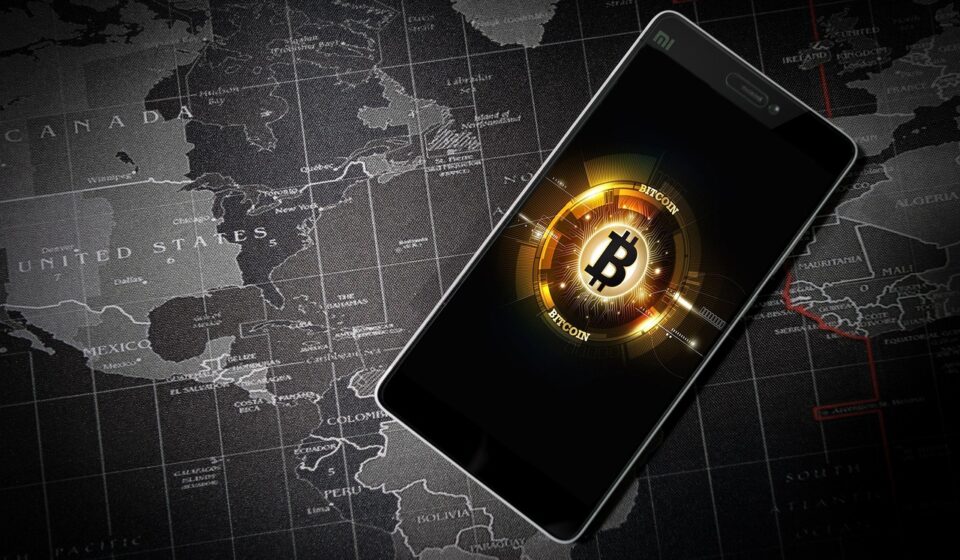

Are digital wallets truly replacing traditional payment methods, or is it just a fad? Can advanced strategies really make a difference in how we manage our finances? With the rise of contactless payments and mobile banking, understanding digital wallets has become essential for both personal and business financial management. Here’s the key thing to understand: digital wallets offer more than just a convenient way to pay; they can also provide a secure and organized way to manage your finances. Most people miss this aspect when considering the adoption of digital wallets. As digital wallets continue to evolve, having a firm grasp on their capabilities and limitations will be crucial. The future of financial transactions is increasingly digital, and those who adapt will find themselves at an advantage.
📝 Table of Contents
Defining Digital Wallets
Digital wallets, also known as e-wallets, are software programs that store users’ payment information and other personal details securely. They allow users to make transactions online or in-person using their mobile devices, eliminating the need for physical wallets. Digital wallets can store various types of payment methods, including credit cards, debit cards, and even cryptocurrencies. The primary goal of a digital wallet is to provide a convenient, secure, and organized way to manage financial transactions.
One of the critical aspects of digital wallets is their ability to enhance financial security. Unlike traditional wallets, which can be lost, stolen, or compromised, digital wallets offer advanced security features such as encryption, two-factor authentication, and biometric verification. These features significantly reduce the risk of unauthorized transactions and identity theft. Here’s a comparison of some popular digital wallets and their key features:
| Digital Wallet | Security Features | Compatibility | Fees |
|---|---|---|---|
| Apple Pay | Encryption, Two-Factor Authentication | iOS, watchOS, macOS | No Fees for Users |
| Google Pay | Encryption, Two-Factor Authentication | Android, iOS | No Fees for Users |
| PayPal | Encryption, Two-Factor Authentication | Web, Mobile Apps | Transaction Fees Apply |
| Samsung Pay | Encryption, Biometric Verification | Samsung Devices | No Fees for Users |
Digital Wallets Methods Worth Knowing
1. Setting Up and Securing Your Digital Wallet
Setting up a digital wallet is relatively straightforward, but securing it requires some attention to detail. Users should always enable two-factor authentication and use strong, unique passwords. Additionally, keeping the device and digital wallet software up to date is crucial for maintaining security. By taking these steps, users can significantly reduce the risk of their digital wallet being compromised.
The process involves downloading the digital wallet app, adding a payment method, and setting up security features. Most digital wallets offer guides or tutorials to help new users through this process. Understanding the importance of security features such as encryption and biometric verification can help users make informed decisions about their digital wallet setup. process involves downloading
Advantages:
- Enhanced security through encryption and two-factor authentication, reducing the risk of unauthorized access.
- Convenience of carrying multiple payment methods in one place, eliminating the need for physical wallets or cards.
- Ability to track transactions and manage finances more efficiently, providing a clear overview of spending habits.
2. Using Digital Wallets for Online Transactions
For online transactions, digital wallets offer a seamless and secure checkout experience. They eliminate the need to manually enter payment details, reducing the risk of errors and potential security breaches. Digital wallets also often include features that help prevent fraud, such as monitoring transactions for suspicious activity.
When using digital wallets online, it’s essential to ensure that the website or platform is secure. Look for HTTPS in the URL and a lock icon in the address bar, which indicate that the site is encrypted and secure. Additionally, keeping track of online transactions through the digital wallet’s transaction history can help in managing finances more effectively.
Advantages:
- Streamlined checkout process, saving time and reducing friction during online purchases.
- Increased security through encryption and secure tokenization of payment information.
- Reduced risk of payment errors and potential for fraud, thanks to automated payment processing.
3. Integrating Digital Wallets with Other Financial Tools
Integrating digital wallets with other financial tools can enhance their functionality and provide a more comprehensive financial management solution. This can include linking digital wallets to budgeting apps, investment platforms, or credit monitoring services. Such integrations allow for a holistic view of one’s financial situation and can facilitate better financial decision-making.
The integration process typically involves connecting the digital wallet to the other financial service through the app or website, often requiring authorization and setup of shared access. This can sometimes involve additional security measures to ensure that the connection is secure and that data is protected.
Advantages:
- Centralized financial management, allowing for easier tracking of income, expenses, and savings.
- Enhanced financial insights through consolidated data, enabling more informed financial decisions.
- Increased automation of financial tasks, such as bill payments and savings transfers, reducing the need for manual intervention.
4. Utilizing Digital Wallets for Contactless Payments
Digital wallets enable contactless payments, allowing users to make transactions with their mobile devices. This method is not only convenient but also more hygienic, as it eliminates the need for physical contact with payment terminals. Setting up contactless payments involves adding a payment method to the digital wallet and ensuring that the device supports near-field communication (NFC) technology.
Contactless payments are widely accepted at many retail locations, including grocery stores, restaurants, and public transportation systems. The transaction limit for contactless payments can vary by country and issuer, but it’s generally designed for low-to-moderate value transactions.
Advantages:
- Convenience of making payments without the need for physical cards or cash.
- Hygiene benefits from reduced contact with potentially contaminated surfaces.
- Speed of transactions, as contactless payments are typically faster than traditional payment methods.
5. Managing and Tracking Expenses with Digital Wallets
Digital wallets offer tools for managing and tracking expenses, providing users with a clear picture of their spending habits. This can be particularly useful for budgeting and identifying areas where spending can be reduced. Many digital wallets integrate with budgeting apps or offer their own budgeting tools, making it easier to categorize and analyze expenses.
By regularly reviewing transaction history and budget reports, users can make more informed financial decisions and adjust their spending accordingly. Some digital wallets also offer features like spending limits and alerts for large or suspicious transactions, further aiding in expense management.
Advantages:
- Detailed transaction history, enabling accurate tracking of income and expenses.
- Automated budgeting and categorization of expenses, simplifying financial organization.
- Personalized spending insights and recommendations, helping users optimize their financial habits.
Real-World Benefits
✔ Enhanced Financial Security
Digital wallets offer advanced security features that protect users’ financial information. With encryption, two-factor authentication, and biometric verification, the risk of unauthorized transactions and identity theft is significantly reduced. This enhanced security gives users peace of mind when making transactions online or in-person.
✔ Convenience and Ease of Use
Digital wallets simplify the payment process, allowing users to make transactions with just a few taps on their mobile devices. They also eliminate the need to carry physical wallets or cards, making them a convenient option for daily use. The ease of use and convenience of digital wallets contribute to their growing popularity.
✔ Improved Financial Management Improved Financial Management
By providing tools for tracking expenses, budgeting, and analyzing spending habits, digital wallets help users manage their finances more effectively. This can lead to better financial decisions, reduced debt, and increased savings. The ability to monitor and control financial activities in one place is a significant advantage of using digital wallets.
✔ Faster Transaction Processing
Digital wallets facilitate faster transaction processing, both online and in-person. Contactless payments are quick, and online transactions are streamlined, reducing the time spent on checkout processes. This speed and efficiency are particularly beneficial in fast-paced environments where time is of the essence.
✔ Reduced Risk of Payment Errors
Automated payment processing through digital wallets reduces the risk of payment errors, such as incorrect amounts or expired cards. This not only saves time but also minimizes potential disputes or issues with transactions. The accuracy and reliability of digital wallet transactions are significant benefits for both users and merchants.
✔ Environmental Benefits
By reducing the need for physical payment methods like cards and cash, digital wallets contribute to a more sustainable financial system. Less material is used in the production of payment cards, and the environmental impact of cash handling and transportation is minimized. This aspect of digital wallets aligns with the global effort to reduce waste and promote eco-friendly practices.
Upcoming Trends
- Increased Adoption of Cryptocurrencies
- Enhanced Biometric Security Features
- Expansion of Contactless Payment Limits
- Integration with Emerging Technologies
- Global Standardization of Digital Wallets
The integration of cryptocurrencies into digital wallets is expected to increase, offering users more payment options and potentially lowering transaction fees. As cryptocurrencies become more mainstream, their inclusion in digital wallets will play a significant role in their adoption.
This trend will also lead to more innovative financial products and services, catering to the growing demand for digital assets. The security and regulatory frameworks surrounding cryptocurrencies will be crucial in their integration with digital wallets.
Future digital wallets will likely incorporate advanced biometric verification methods, such as facial recognition, fingerprint scanning, and voice recognition, to enhance security. These features will provide an additional layer of protection against unauthorized access and transactions.
The development of more sophisticated biometric technologies will continue to improve the security of digital wallets, making them even more appealing to users concerned about financial security. As these technologies evolve, they will become more seamless and intuitive, enhancing the overall user experience.
contactless payment limits are expected to increase, allowing for higher-value transactions to be made without the need for PIN entry or signature verification. This expansion will further enhance the convenience of digital wallets, making them suitable for a broader range of transactions.
The increase in contactless payment limits will be particularly beneficial for retailers and consumers alike, as it will streamline transactions and reduce wait times. However, it will also necessitate robust security measures to mitigate potential risks associated with higher-value transactions.
Digital wallets will likely integrate with emerging technologies such as the Internet of Things (IoT) and Artificial Intelligence (AI), offering new and innovative payment experiences. These integrations will enable seamless transactions in various scenarios, from smart homes to autonomous vehicles. Digital wallets will
The convergence of digital wallets with IoT and AI will usher in a new era of financial technology, characterized by increased convenience, personalization, and automation. As these technologies mature, they will redefine the way we interact with financial services and make payments.
Efforts towards global standardization of digital wallets will continue, aiming to facilitate cross-border transactions and interoperability between different digital wallet platforms. This standardization will promote a more unified and accessible financial system, bridging gaps between economies and communities.
The standardization process will involve cooperation among financial institutions, technology companies, and regulatory bodies. It will require addressing complex issues such as security, privacy, and compliance, but the outcome will be a more inclusive and efficient global financial network.
| Country | Digital Wallet Adoption Rate | Preferred Payment Methods | Growth Prospects |
|---|---|---|---|
| United States | 35% | Credit Cards, Digital Wallets | High |
| China | 50% | Digital Wallets, Mobile Payments | Very High |
| European Union | 25% | Credit Cards, Debit Cards | Moderate |
| India | 20% | Digital Wallets, Cash | High |
Wrapping Up
Digital wallets represent a significant shift in how we manage our finances and make transactions. With their advanced security features, convenience, and ability to track expenses, they offer a comprehensive solution for financial management. As technology continues to evolve, the capabilities and adoption of digital wallets will only continue to grow.
The future of digital wallets is promising, with trends pointing towards increased security, expanded functionalities, and broader adoption. Understanding these trends and how to use digital wallets effectively will be crucial for individuals and businesses looking to stay ahead in the financial landscape.
By embracing digital wallets and their advanced strategies, users can enhance their financial security, streamline their payment processes, and gain better insights into their spending habits. As the world becomes increasingly digital, the importance of digital wallets in our financial lives will continue to grow, offering a more convenient, secure, and organized way to manage our finances.
Similar Posts Worth Reading


Before You Go