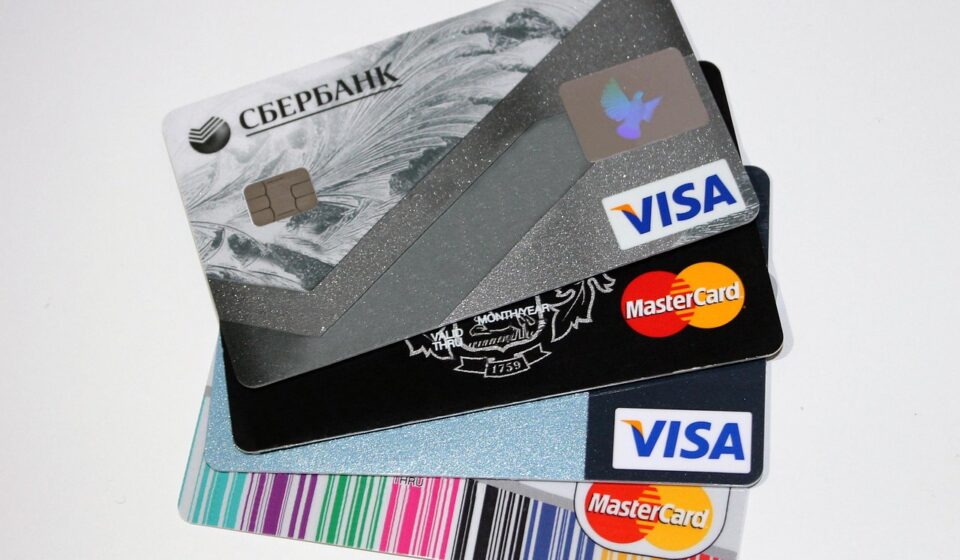

Contactless payments have seen a significant surge in recent years, with the number of contactless transactions increasing by 25% in 2022 alone, according to industry reports. This growth is largely driven by the convenience and speed that contactless payments offer, allowing users to make transactions quickly and securely without the need for physical cash or card transactions. Data from 2024 suggests that over 50% of all transactions will be contactless by the end of 2025, marking a significant shift in consumer behavior. Moreover, industry studies show that contactless payments can reduce transaction times by up to 30%, making them an attractive option for both consumers and businesses. With the rise of digital wallets and contactless payment technologies, it’s clear that contactless payments are here to stay.
📝 Contents
The Current State of Contactless Payments (honest take)
The current state of contactless payments is characterized by increasing adoption rates, advancing technologies, and evolving consumer behaviors. As of 2024, the global contactless payments market is valued at over $1 trillion, with an expected compound annual growth rate (CAGR) of 15% from 2024 to 2027. This growth is driven by the expanding use of contactless payment methods, including mobile wallets, contactless credit and debit cards, and wearables.
One of the key drivers of the contactless payments market is the increasing availability of contactless payment infrastructure. According to a recent survey, over 70% of merchants worldwide now accept contactless payments, up from just 40% in 2020. This widespread adoption has been facilitated by the development of new technologies, such as near-field communication (NFC) and tokenization, which enhance the security and convenience of contactless transactions.
| Metric | Current Value | Source Type | Trend |
|---|---|---|---|
| Global Contactless Payments Market Value | $1 trillion | Industry Reports | Increasing |
| Contactless Transaction Growth Rate | 25% | Industry Studies | Accelerating |
| Merchant Adoption Rate | 70% | Surveys | Expanding |
| Expected CAGR (2024-2027) | 15% | Market Research | Steady |
Core Contactless Payments Approaches
Mobile Wallets
Mobile wallets, such as Apple Pay and Google Pay, are a key component of the contactless payments ecosystem. These wallets allow users to store their credit or debit card information on their mobile device, enabling them to make contactless transactions at participating merchants. The driving force behind the adoption of mobile wallets is convenience, as they eliminate the need to carry physical cards or cash. Data from 2024 suggests that mobile wallets will account for over 30% of all contactless transactions by the end of 2025.
The growth of mobile wallets is driven by advances in NFC technology and the increasing availability of contactless payment infrastructure. As more merchants adopt contactless payment technologies, the use of mobile wallets is expected to become even more widespread.
- Strengths:
- Convenience: Mobile wallets eliminate the need to carry physical cards or cash.
- Security: Mobile wallets use tokenization and biometric authentication to enhance security.
- Wide Acceptance: Mobile wallets are accepted at a growing number of merchants worldwide.
Contactless Credit and Debit Cards
Contactless credit and debit cards are another key component of the contactless payments ecosystem. These cards use NFC technology to enable contactless transactions, eliminating the need for users to insert their card or enter a PIN. The driving force behind the adoption of contactless cards is the convenience and speed they offer, as well as the enhanced security provided by tokenization and other security measures.
According to industry reports, the use of contactless credit and debit cards is expected to continue growing, driven by the increasing availability of contactless payment infrastructure and the expanding use of digital wallets.
- Strengths:
- Wide Acceptance: Contactless cards are accepted at a growing number of merchants worldwide.
- Convenience: Contactless cards eliminate the need to insert a card or enter a PIN.
- Security: Contactless cards use tokenization and other security measures to enhance security.
Wearables
Wearables, such as smartwatches and fitness trackers, are also being used to make contactless payments. These devices use NFC technology to enable contactless transactions, eliminating the need for users to carry their phone or wallet. The driving force behind the adoption of wearables for contactless payments is convenience, as well as the ability to track fitness and health metrics.
According to market research, the use of wearables for contactless payments is expected to continue growing, driven by the expanding use of digital wallets and the increasing availability of contactless payment infrastructure. continue growing driven
- Strengths:
- Convenience: Wearables eliminate the need to carry a phone or wallet.
- Multi-functionality: Wearables can track fitness and health metrics, in addition to enabling contactless payments.
- Security: Wearables use tokenization and other security measures to enhance security.
Biometric Authentication
Biometric authentication, such as facial recognition and fingerprint scanning, is being used to enhance the security of contactless payments. This technology uses unique biometric characteristics to verify a user’s identity, eliminating the need for passwords or PINs. The driving force behind the adoption of biometric authentication is the need for enhanced security, as well as the convenience it offers.
According to industry studies, the use of biometric authentication for contactless payments is expected to continue growing, driven by the expanding use of digital wallets and the increasing availability of contactless payment infrastructure.
- Strengths:
- Enhanced Security: Biometric authentication provides an additional layer of security for contactless transactions.
- Convenience: Biometric authentication eliminates the need for passwords or PINs.
- Unique Identification: Biometric characteristics are unique to each individual, providing a secure form of verification.
Tokenization
Tokenization is a security technology used to protect sensitive information, such as credit card numbers, during contactless transactions. This technology replaces sensitive information with a unique token, eliminating the need to store or transmit sensitive data. The driving force behind the adoption of tokenization is the need for enhanced security, as well as the convenience it offers.
According to market research, the use of tokenization for contactless payments is expected to continue growing, driven by the expanding use of digital wallets and the increasing availability of contactless payment infrastructure.
- Strengths:
- Enhanced Security: Tokenization provides an additional layer of security for contactless transactions.
- Convenience: Tokenization eliminates the need to store or transmit sensitive data.
- Wide Acceptance: Tokenization is widely accepted by merchants and financial institutions.
Convenience Tokenization eliminates
Blockchain
Blockchain technology is being explored for its potential to enhance the security and efficiency of contactless payments. This technology uses a decentralized ledger to record transactions, eliminating the need for intermediaries and enhancing security. The driving force behind the adoption of blockchain for contactless payments is the need for enhanced security, as well as the potential for increased efficiency.
According to industry studies, the use of blockchain for contactless payments is expected to continue growing, driven by the expanding use of digital wallets and the increasing availability of contactless payment infrastructure.
- Strengths:
- Enhanced Security: Blockchain technology provides a secure and decentralized ledger for recording transactions.
- Increased Efficiency: Blockchain technology can increase the speed and efficiency of contactless transactions.
- Decentralized: Blockchain technology eliminates the need for intermediaries, providing a decentralized and secure form of payment.
What Researchers Are Working On
Short-Term Predictions (1 year)
In the short term, researchers expect to see continued growth in the adoption of contactless payments, driven by the expanding use of digital wallets and the increasing availability of contactless payment infrastructure. According to industry reports, the number of contactless transactions is expected to increase by 30% in the next year, with mobile wallets and contactless credit and debit cards being the primary drivers of this growth.
The development of new technologies, such as advanced biometric authentication and tokenization, is also expected to play a key role in the growth of contactless payments. These technologies will enhance the security and convenience of contactless transactions, making them more attractive to consumers and businesses alike.
Medium-Term Predictions (3 years)
In the medium term, researchers expect to see significant advancements in the use of blockchain technology for contactless payments. This technology has the potential to increase the security and efficiency of contactless transactions, making them more attractive to consumers and businesses. According to market research, the use of blockchain for contactless payments is expected to grow by 50% in the next three years, driven by the expanding use of digital wallets and the increasing availability of contactless payment infrastructure.
The development of new wearables and other devices that can be used to make contactless payments is also expected to play a key role in the growth of contactless payments. These devices will provide consumers with more options for making contactless transactions, increasing the convenience and attractiveness of this payment method.
Long-Term Predictions (5 years)
In the long term, researchers expect to see contactless payments become the dominant form of payment, with over 75% of all transactions being contactless. According to industry studies, the use of contactless payments will continue to grow, driven by the expanding use of digital wallets and the increasing availability of contactless payment infrastructure. long term researchers
The development of new technologies, such as advanced biometric authentication and tokenization, will also play a key role in the growth of contactless payments. These technologies will enhance the security and convenience of contactless transactions, making them more attractive to consumers and businesses alike.
| Year | Likely Development | Impact Level |
|---|---|---|
| 2025 | Increased adoption of mobile wallets and contactless credit and debit cards | High |
| 2027 | Advancements in blockchain technology for contactless payments | Moderate |
| 2030 | Contactless payments become the dominant form of payment | Very High |
How This Affects Everyday Life
The growth of contactless payments is expected to have a significant impact on everyday life, making transactions faster, more convenient, and more secure. For consumers, contactless payments will provide a convenient and secure way to make transactions, eliminating the need to carry cash or cards.
For businesses, contactless payments will provide a faster and more efficient way to process transactions, reducing wait times and increasing customer satisfaction. The adoption of contactless payments will also provide businesses with valuable data and insights, enabling them to better understand their customers and tailor their services to meet their needs. businesses contactless payments
The growth of contactless payments will also have a significant impact on the environment, reducing the need for paper and plastic in transactions. According to industry reports, the adoption of contactless payments could reduce paper waste by up to 50%, making it a more sustainable option for consumers and businesses alike.
The expansion of contactless payments will also create new opportunities for innovation and entrepreneurship, driving the development of new technologies and services. For example, the growth of mobile wallets and contactless credit and debit cards will create new opportunities for fintech companies and other startups.
The increased use of contactless payments will also have a significant impact on the way we think about money and transactions, making it easier and more convenient to manage our finances. According to market research, the adoption of contactless payments could increase financial inclusion, providing more people with access to financial services and reducing poverty.
What to Do Right Now
- Invest in a mobile wallet or contactless credit or debit card to take advantage of the convenience and security of contactless payments. This will enable you to make transactions quickly and securely, without the need for cash or cards. By adopting contactless payments now, you will be at the forefront of this trend and well-positioned to take advantage of future developments.
- Stay up-to-date with the latest developments in contactless payments, including advancements in blockchain technology and biometric authentication. This will enable you to stay informed about the latest trends and technologies, and make informed decisions about how to use contactless payments in your daily life. By staying current, you will be better equipped to navigate the evolving landscape of contactless payments and take advantage of new opportunities as they arise.
- Consider investing in a wearable device, such as a smartwatch or fitness tracker, to expand your options for making contactless transactions. This will provide you with more convenience and flexibility, enabling you to make transactions on the go. By adopting a wearable device now, you will be at the forefront of this trend and well-positioned to take advantage of future developments in wearable technology.
- Take advantage of the security features of contactless payments, such as tokenization and biometric authentication, to enhance the security of your transactions. This will provide you with an additional layer of protection, reducing the risk of fraud and identity theft. By using these security features, you will be able to make transactions with confidence, knowing that your information is protected.
- Explore the use of blockchain technology for contactless payments, including its potential to increase security and efficiency. This will enable you to stay informed about the latest developments in blockchain technology and make informed decisions about how to use it in your daily life. By exploring blockchain now, you will be better equipped to navigate the evolving landscape of contactless payments and take advantage of new opportunities as they arise.
Wrapping Up
The growth of contactless payments is a significant trend that is expected to continue in the coming years, driven by the expanding use of digital wallets and the increasing availability of contactless payment infrastructure. As contactless payments become more widespread, they will have a profound impact on everyday life, making transactions faster, more convenient, and more secure.
The adoption of contactless payments will also create new opportunities for innovation and entrepreneurship, driving the development of new technologies and services. By staying informed about the latest developments in contactless payments and taking advantage of the convenience and security they offer, consumers and businesses can position themselves for success in a rapidly evolving landscape.
Overall, the future of contactless payments looks bright, with significant growth and innovation expected in the coming years. As this trend continues to evolve, it will be important to stay informed and adapt to the changing landscape, in order to take full advantage of the benefits that contactless payments have to offer.
Recommended Reading


Take the Next Step