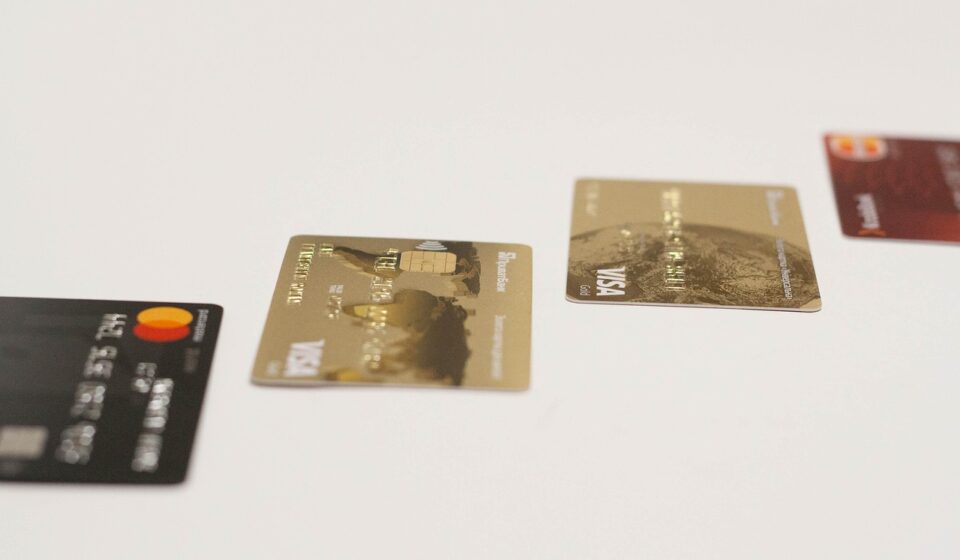

Imagine applying for a loan or a credit card, only to be rejected due to a poor credit score. This scenario is all too familiar for many people who have limited knowledge of credit scoring and its significance in today’s financial landscape. Credit scoring is a crucial aspect of personal finance – it affects loan approvals, interest rates, and even employment opportunities. For those who are new to the concept of credit scoring, it can seem like a complex and intimidating topic. As a beginner, it’s essential to understand the basics of credit scoring and how it impacts your financial well-being.
📝 What You'll Learn
A Closer Look at Credit Scoring
Credit scoring refers to the process of assigning a numerical value – known as a credit score – to an individual’s credit history, which includes their payment history, credit utilization, and other factors (such as credit inquiries and the age of their credit accounts). This credit score is used by lenders to determine the likelihood of a borrower repaying their debts on time. The most widely used credit scoring model is the FICO score, which ranges from 300 to 850. A higher credit score indicates a lower risk for lenders, making it easier to obtain credit at favorable interest rates.
| Term | Plain-English Meaning |
|---|---|
| Credit Score | A numerical value that represents an individual’s creditworthiness – or their likelihood of repaying debts on time. |
| FICO Score | A type of credit score developed by the Fair Isaac Corporation, which is widely used by lenders to evaluate creditworthiness. |
| Credit Report | A detailed record of an individual’s credit history, including their payment history, credit accounts, and other relevant information. |
| Credit Utilization | The percentage of available credit being used by an individual – for example, if they have a credit limit of $1,000 and a balance of $300, their credit utilization is 30%. |
| Credit Inquiries | Requests made by lenders to review an individual’s credit report, which can temporarily affect their credit score. |
| Credit Age | The length of time an individual has had credit accounts – a longer credit history can positively impact their credit score. |
Why Credit Scoring Matters
Credit scoring has a significant impact on various aspects of personal finance. Lenders use credit scores to determine the likelihood of a borrower repaying their debts on time. A good credit score can lead to lower interest rates, higher credit limits, and better loan terms. For example, a borrower with a credit score of 750 may qualify for a mortgage with an interest rate of 3.5%, while a borrower with a credit score of 650 may be offered a rate of 4.5%. This difference in interest rates can result in significant savings over the life of the loan. In fact, a study by the Federal Reserve found that borrowers with excellent credit scores can save up to $1,000 per year on a $200,000 mortgage.
Credit scoring also affects employment opportunities. Some employers use credit scores as a factor in their hiring decisions, particularly for positions that involve financial responsibilities. A poor credit score can make it more challenging to get hired, as it may indicate a lack of financial responsibility. According to a survey by the Society for Human Resource Management, 47% of employers use credit checks as part of their hiring process.
In addition to lenders and employers, credit scoring also matters to individuals who want to maintain good financial health. By monitoring their credit score and addressing any issues, individuals can improve their chances of getting approved for credit at favorable terms. This, in turn, can help them achieve their financial goals, such as buying a home, financing a car, or funding their education. For instance, a student with a good credit score may be able to qualify for a lower-interest student loan, which can save them thousands of dollars in interest payments over the life of the loan.
Core Credit Scoring Approaches
1. Check Your Credit Report
Checking your credit report is an essential step in understanding your credit score. Your credit report contains information about your credit history, including your payment history, credit accounts, and credit inquiries. By reviewing your credit report, you can identify any errors or inaccuracies that may be affecting your credit score. You can request a free credit report from each of the three major credit reporting agencies – Equifax, Experian, and TransUnion – once a year.
To check your credit report, visit the website of one of the credit reporting agencies and follow the instructions for requesting a report. Once you receive your report, review it carefully to ensure that all the information is accurate and up-to-date. If you find any errors, dispute them with the credit reporting agency and provide documentation to support your claim. This process can take several weeks to several months, so it’s essential to be patient and persistent.
A common beginner mistake is not checking their credit report regularly, which can lead to unnoticed errors or inaccuracies that can negatively impact their credit score. For example, if you have a credit account that is not being reported correctly, it can affect your credit utilization ratio and lower your credit score.
- Strengths:
- Helps identify errors or inaccuracies in your credit report
- Provides a detailed overview of your credit history
- Allows you to dispute errors and improve your credit score
2. Pay Your Bills On Time
Paying your bills on time is crucial for maintaining a good credit score. Late payments can negatively impact your credit score, as they indicate a higher risk for lenders. To avoid late payments, set up payment reminders or automate your payments to ensure that you never miss a payment. You can also consider setting up a budget to track your income and expenses and make sure you have enough money to cover your bills.
For example, you can set up automatic payments for your credit card bills, loan payments, and other recurring expenses. This way, you can ensure that your payments are made on time, every time. Additionally, you can consider using a budgeting app or spreadsheet to track your expenses and stay on top of your finances.
A common beginner mistake is not prioritizing bill payments, which can lead to late payments and a lower credit score. For instance, if you have multiple credit cards with different due dates, it can be challenging to keep track of your payments and avoid late fees. common beginner mistake
- Strengths:
- Helps maintain a good credit score
- Reduces the risk of late payments and associated fees
- Demonstrates financial responsibility to lenders
3. Keep Credit Utilization Low
Keeping credit utilization low is essential for maintaining a good credit score. Credit utilization refers to the percentage of available credit being used – for example, if you have a credit limit of $1,000 and a balance of $300, your credit utilization is 30%. To keep credit utilization low, try to keep your credit card balances below 30% of your credit limit. You can also consider paying off your credit card balances in full each month to avoid interest charges.
For instance, if you have a credit card with a credit limit of $1,000, try to keep your balance below $300. This will help you maintain a low credit utilization ratio and improve your credit score. Additionally, you can consider using a credit monitoring service to track your credit utilization and receive alerts when your credit utilization ratio exceeds a certain threshold.
A common beginner mistake is not monitoring credit utilization, which can lead to high credit utilization ratios and a lower credit score. For example, if you have multiple credit cards with high balances, it can be challenging to keep track of your credit utilization ratio and avoid exceeding the recommended threshold.
- Strengths:
- Helps maintain a good credit score
- Reduces the risk of high credit utilization ratios
- Demonstrates financial responsibility to lenders
4. Avoid New Credit Inquiries
Avoiding new credit inquiries is crucial for maintaining a good credit score. Credit inquiries can temporarily lower your credit score, as they indicate a higher risk for lenders. To avoid new credit inquiries, only apply for credit when necessary, and space out your credit applications to minimize the impact on your credit score. You can also consider using a credit monitoring service to track your credit inquiries and receive alerts when a new inquiry is made. good credit score
For example, if you’re applying for a mortgage, try to avoid applying for other credit cards or loans at the same time. This can help minimize the impact of credit inquiries on your credit score. Additionally, you can consider using a credit score simulator to estimate the impact of credit inquiries on your credit score. other credit cards
A common beginner mistake is not spacing out credit applications, which can lead to multiple credit inquiries and a lower credit score. For instance, if you apply for multiple credit cards in a short period, it can raise a red flag with lenders and negatively impact your credit score. common beginner mistake
- Strengths:
- Helps maintain a good credit score
- Reduces the risk of multiple credit inquiries
- Demonstrates financial responsibility to lenders
5. Monitor Your Credit Age
Monitoring your credit age is essential for maintaining a good credit score. Credit age refers to the length of time you’ve had credit accounts – a longer credit history can positively impact your credit score. To monitor your credit age, review your credit report to ensure that all your credit accounts are being reported correctly. You can also consider using a credit monitoring service to track your credit age and receive alerts when your credit accounts are not being reported correctly.
For example, if you have a credit card that’s not being reported correctly, it can affect your credit age and lower your credit score. By monitoring your credit age, you can identify any errors or inaccuracies and dispute them with the credit reporting agency. Additionally, you can consider using a credit score simulator to estimate the impact of credit age on your credit score.
A common beginner mistake is not monitoring credit age, which can lead to unnoticed errors or inaccuracies that can negatively impact your credit score. For instance, if you have a credit account that’s not being reported correctly, it can affect your credit age and lower your credit score.
- Strengths:
- Helps maintain a good credit score
- Reduces the risk of errors or inaccuracies in your credit report
- Demonstrates financial responsibility to lenders
6. Avoid Negative Marks
Avoiding negative marks is crucial for maintaining a good credit score. Negative marks, such as late payments or collections, can significantly lower your credit score. To avoid negative marks, make sure to pay your bills on time, and address any errors or inaccuracies in your credit report. You can also consider using a credit monitoring service to track your credit report and receive alerts when a negative mark is added.
For example, if you have a late payment on your credit report, it can lower your credit score and make it more challenging to get approved for credit. By addressing the error and disputing it with the credit reporting agency, you can remove the negative mark and improve your credit score. Additionally, you can consider using a credit score simulator to estimate the impact of negative marks on your credit score.
A common beginner mistake is not addressing negative marks, which can lead to a lower credit score and reduced creditworthiness. For instance, if you have a collection account on your credit report, it can significantly lower your credit score and make it more challenging to get approved for credit.
- Strengths: explore this option
- Helps maintain a good credit score
- Reduces the risk of negative marks on your credit report
- Demonstrates financial responsibility to lenders
7. Diversify Your Credit
Diversifying your credit is essential for maintaining a good credit score. Diversifying your credit means having a mix of different credit types, such as credit cards, loans, and a mortgage. To diversify your credit, consider applying for different types of credit, and make sure to pay your bills on time. You can also consider using a credit monitoring service to track your credit mix and receive alerts when your credit mix is not diversified.
For example, if you only have credit cards, it can be beneficial to apply for a personal loan or a mortgage to diversify your credit mix. By diversifying your credit, you can demonstrate to lenders that you can manage different types of credit responsibly. Additionally, you can consider using a credit score simulator to estimate the impact of credit diversification on your credit score.
A common beginner mistake is not diversifying credit, which can lead to a limited credit mix and a lower credit score. For instance, if you only have one type of credit, it can be challenging to demonstrate to lenders that you can manage different types of credit responsibly.
- Strengths:
- Helps maintain a good credit score
- Reduces the risk of a limited credit mix
- Demonstrates financial responsibility to lenders
| Step | What You Do | Expected Result |
|---|---|---|
| 1. Check Your Credit Report | Request a free credit report and review it for errors or inaccuracies | Identify and dispute errors or inaccuracies in your credit report |
| 2. Pay Your Bills On Time | Set up payment reminders or automate your payments to ensure timely payments | Maintain a good credit score and reduce the risk of late payments |
| 3. Keep Credit Utilization Low | Keep credit card balances below 30% of your credit limit | Maintain a good credit score and reduce the risk of high credit utilization ratios |
| 4. Avoid New Credit Inquiries | Only apply for credit when necessary and space out credit applications | Reduce the risk of multiple credit inquiries and maintain a good credit score |
| 5. Monitor Your Credit Age | Review your credit report to ensure all credit accounts are being reported correctly | Maintain a good credit score and reduce the risk of errors or inaccuracies in your credit report |
| 6. Avoid Negative Marks | Pay bills on time and address any errors or inaccuracies in your credit report | Maintain a good credit score and reduce the risk of negative marks on your credit report |
| 7. Diversify Your Credit | Apply for different types of credit and make timely payments | Demonstrate financial responsibility to lenders and maintain a good credit score |
Frequently Asked Questions
What is a Good Credit Score?
A good credit score depends on the credit scoring model being used. For FICO scores, a good credit score is typically above 700. However, the exact definition of a good credit score can vary depending on the lender and the type of credit being applied for. For example, a credit score of 750 may be considered good for a mortgage, but a credit score of 700 may be considered good for a credit card. good credit score
How Long Does it Take to Improve My Credit Score?
Improving your credit score can take time, as it depends on various factors such as your credit history, payment history, and credit utilization. Generally, it can take several months to a few years to see significant improvements in your credit score. For instance, if you have a poor credit score due to late payments, it may take several months of timely payments to improve your credit score.
Can I Check My Credit Score for Free?
Yes, you can check your credit score for free through various online services, such as Credit Karma or Credit Sesame. These services provide free credit scores and credit monitoring, as well as tools to help you improve your credit score. Additionally, you can request a free credit report from each of the three major credit reporting agencies once a year.
What is the Difference Between a Hard Inquiry and a Soft Inquiry?
A hard inquiry occurs when a lender reviews your credit report as part of the loan application process. A soft inquiry, on the other hand, occurs when you check your own credit report or when a lender reviews your credit report for promotional purposes. Hard inquiries can temporarily lower your credit score, while soft inquiries do not affect your credit score. For example, if you apply for a credit card, the lender will typically make a hard inquiry on your credit report, which can temporarily lower your credit score.
Can I Dispute Errors on My Credit Report?
Yes, you can dispute errors on your credit report by contacting the credit reporting agency directly. You can submit a dispute online, by phone, or by mail, and provide documentation to support your claim. The credit reporting agency will then investigate the dispute and correct any errors or inaccuracies on your credit report. For instance, if you find an error on your credit report, you can dispute it with the credit reporting agency and provide documentation to support your claim.
Final Thoughts
Credit scoring is a crucial aspect of personal finance, and understanding how it works can help you make informed decisions about your credit. By following the steps outlined in this guide, you can improve your credit score and maintain good credit habits. Remember to check your credit report regularly, pay your bills on time, and keep credit utilization low to demonstrate financial responsibility to lenders. With time and effort, you can achieve a good credit score and enjoy better financial opportunities.
Additionally, it’s essential to stay informed about changes in the credit scoring landscape and to adapt your credit habits accordingly. By staying on top of your credit score and credit report, you can ensure that you’re always in a strong financial position. Whether you’re applying for a loan, a credit card, or a mortgage, a good credit score can make all the difference.
To wrap up, credit scoring is a vital aspect of personal finance that requires attention and effort to maintain good credit habits. By understanding how credit scoring works and following the steps outlined in this guide, you can improve your credit score and achieve your financial goals.
You Might Also Like


Quick Recommendation


