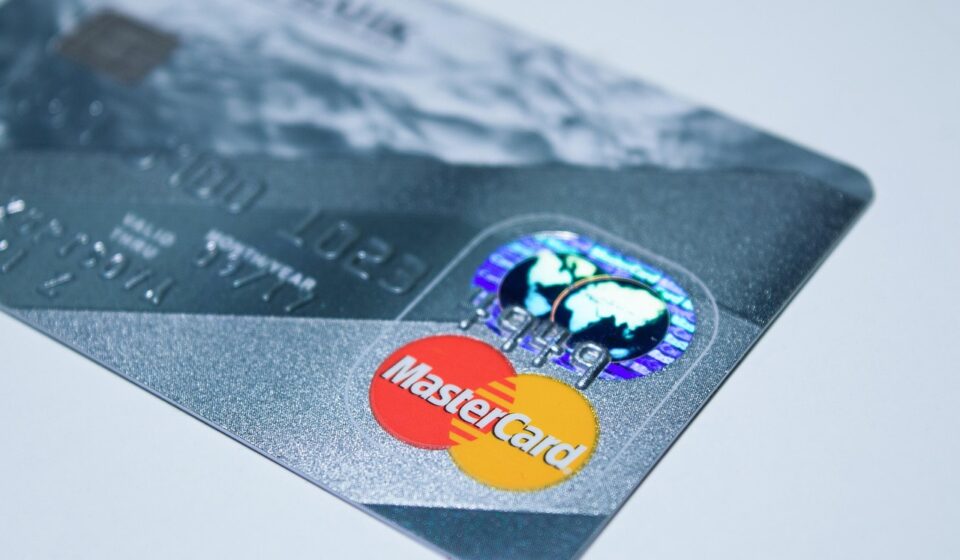

Imagine walking into a small, bustling café in the heart of New York City, like Café Grumpy in Brooklyn, where the aroma of freshly brewed coffee fills the air and the sound of gentle chatter creates a warm ambiance. As you wait in line, you notice the barista efficiently processing payments through a sleek, modern terminal, a stark contrast to the traditional cash registers of the past. This is not just a scene from everyday life; it’s a testament to how payment processing has evolved, making transactions faster, more secure, and incredibly convenient. For instance, companies like Stripe have been at the forefront of this evolution, providing innovative solutions for businesses to manage their online transactions seamlessly. As of 2023, Stripe has processed over $1 trillion in transactions, with its user base spanning across more than 120 countries. However, the path to this point has been marked by significant technological advancements and strategic partnerships. In the case of Stripe, its acquisition of Paystack, a Nigerian fintech company, in 2020, marked a pivotal moment in its expansion into the African market, further solidifying its position in the global payment processing industry.
The efficiency and speed of these transactions are not just beneficial for customers but also for businesses, which can now focus more on their core operations rather than worrying about the complexities of payment processing. This shift towards digital payment solutions is being observed globally, with markets like India seeing a significant surge in digital payments due to government initiatives like the Unified Payments Interface (UPI). As of January 2023, UPI has processed over 12 billion transactions, with a total value of over $250 billion. Moreover, the adoption of contactless payments has seen a considerable increase, especially since the onset of the COVID-19 pandemic, with a survey by Mastercard indicating that 75% of consumers prefer using contactless payments for their transactions.
However, the question remains, what exactly is payment processing, and how does it work? Understanding the intricacies of payment processing is crucial for both businesses and consumers to navigate the digital economy effectively. The process involves several key players, including the consumer, the merchant, the payment processor, and the banks, all working together to ensure a smooth and secure transaction. For example, when a customer makes a purchase at an online retailer like Amazon, the payment processor, such as PayPal or Stripe, facilitates the transaction by verifying the customer’s payment information and transferring the funds to the merchant’s account. This process happens in a matter of seconds, showcasing the efficiency and reliability of modern payment processing systems.
Furthermore, the rise of e-commerce has placed a significant demand on payment processing systems to be more robust and secure. Companies like Shopify have responded to this demand by integrating payment gateways directly into their platforms, making it easier for businesses to set up and manage online stores. In fact, Shopify has seen a significant increase in its user base, with over 2 million businesses using its platform as of 2023, highlighting the growing need for efficient and secure payment processing solutions.
📝 Quick Navigation
What Does Payment Processing Mean?
Payment processing refers to the sequence of events that takes place when a consumer makes a purchase from a merchant, involving the transfer of funds from the consumer’s account to the merchant’s account. This process is facilitated by a payment processor, which acts as an intermediary between the various parties involved in the transaction. Payment processing is crucial for the economy, as it enables businesses to receive payments from their customers in a timely and secure manner, thereby facilitating economic activity. For instance, a study by the Federal Reserve found that the total value of non-cash payments in the United States exceeded $1.3 trillion in 2020, with the majority of these transactions being processed through digital channels.
The payment processing industry has evolved significantly over the years, with advancements in technology leading to faster, more secure, and more convenient payment solutions. Traditional methods of payment processing, such as cash and checks, have given way to digital payment methods like credit cards, online banking, and mobile payments. The rise of fintech companies has also introduced new payment processing technologies, such as blockchain and cryptocurrency, which promise to further transform the industry. In fact, a report by McKinsey estimates that the global payment processing market will reach $1.9 trillion by 2025, with digital payments accounting for over 70% of all transactions.
Understanding the different types of payment processing is essential for businesses to choose the right solutions for their needs. The table below provides a comparison of some common payment processing methods, highlighting their characteristics and benefits.
| Payment Method | Description | Benefits | Security |
|---|---|---|---|
| Credit Cards | Plastic cards issued by banks, allowing holders to make purchases on credit. | Convenience, wide acceptance, rewards programs. | High, with features like chip technology and tokenization. |
| Online Banking | Service allowing users to conduct financial transactions over the internet. | Fast, secure, convenient, low fees. | High, with encryption and two-factor authentication. |
| Mobile Payments | Services enabling payments through mobile devices, such as Apple Pay or Google Pay. | Convenience, speed, security, ease of use. | Very high, with biometric authentication and tokenization. |
| Cryptocurrency | Digital currencies using cryptography for secure financial transactions. | Decentralized, secure, transparent, potential for high returns. | High, with blockchain technology, but volatility is a risk. |
Latest Payment Processing Technologies
1. Artificial Intelligence (AI) in Payment Processing
The integration of Artificial Intelligence (AI) in payment processing has revolutionized the industry by enhancing security, improving customer experience, and streamlining operations. AI-powered systems can detect and prevent fraudulent transactions in real-time, reducing the risk of financial loss for businesses. Additionally, AI-driven chatbots and virtual assistants are being used to provide 24/7 customer support, answering queries and resolving issues promptly. For instance, companies like PayPal are using AI to analyze transaction patterns and identify potential security threats, thereby reducing the risk of fraudulent activities.
The use of AI in payment processing also enables personalized experiences for customers. By analyzing transaction history and spending habits, AI can offer tailored recommendations and promotions, increasing the likelihood of sales and customer satisfaction. Furthermore, AI can automate repetitive tasks, such as data entry and account reconciliation, allowing businesses to focus on more strategic and creative endeavors. In fact, a study by Accenture found that the use of AI in payment processing can reduce operational costs by up to 30% and improve customer satisfaction by up to 25%.
- Advantages:
- Enhanced security through real-time fraud detection and prevention.
- Improved customer experience with AI-driven support and personalized recommendations.
- Increased efficiency through automation of repetitive tasks.
2. Blockchain Technology for Secure Transactions
Blockchain technology has emerged as a significant innovation in the payment processing industry, offering unparalleled security and transparency for transactions. By using a decentralized ledger system, blockchain ensures that all transactions are recorded and verified in a way that is virtually tamper-proof. This not only reduces the risk of fraud but also increases trust among parties involved in the transaction. Companies like Ripple are using blockchain to facilitate cross-border payments, making transactions faster, cheaper, and more secure.
The use of blockchain in payment processing also enables faster transaction times and lower fees compared to traditional methods. Since blockchain operates on a peer-to-peer network, transactions can be processed directly without the need for intermediaries, reducing both the time and cost associated with each transaction. Moreover, blockchain’s transparency allows for real-time tracking of transactions, making it easier to manage cash flow and reduce the risk of disputes. In fact, a report by the World Bank estimates that the use of blockchain in payment processing can reduce transaction costs by up to 50% and increase transaction speed by up to 70%.
- Advantages:
- Enhanced security through decentralized and tamper-proof ledger system.
- Faster transaction times due to the elimination of intermediaries.
- Lower fees compared to traditional payment processing methods.
3. Internet of Things (IoT) Integration
The Internet of Things (IoT) is transforming the payment processing landscape by enabling transactions through connected devices. From smart home appliances to wearables, IoT devices can now facilitate payments, making the transaction process more convenient and ubiquitous. For example, smart refrigerators can automatically order groceries when they are running low, using integrated payment systems to complete the purchase. This level of convenience not only enhances the customer experience but also opens up new revenue streams for businesses.
The integration of IoT with payment processing also offers a high level of personalization. IoT devices can gather data on user behavior and preferences, allowing for tailored promotions and services. Furthermore, IoT-enabled devices can provide a secure payment experience through biometric authentication, such as fingerprint or facial recognition. In fact, a study by Gartner predicts that the number of IoT devices will exceed 20 billion by 2025, with a significant portion of these devices being used for payment transactions.
- Advantages: get the details here
- Convenience of making transactions through a wide range of connected devices.
- Personalization of services and promotions based on user behavior and preferences.
- Enhanced security through biometric authentication.
4. Contactless Payments
Contactless payments have become increasingly popular, especially with the onset of the COVID-19 pandemic, as they offer a convenient and hygienic way to make transactions. This method uses near-field communication (NFC) technology, allowing users to make payments by simply tapping their card or device on a compatible terminal. The convenience and speed of contactless payments have made them a preferred choice for everyday purchases, from buying coffee to paying for public transportation.
The adoption of contactless payments has also driven innovation in the payment processing industry. For instance, the development of wearables and mobile devices with NFC capabilities has expanded the range of devices that can be used for contactless payments. Moreover, contactless payments have prompted businesses to rethink their payment infrastructure, investing in terminals and systems that support NFC technology. In fact, a report by Visa found that contactless payments accounted for over 50% of all transactions in 2022, with this number expected to continue growing in the coming years.
- Advantages:
- Convenience and speed of transactions, reducing waiting times in lines.
- Hygienic, reducing the need for physical contact with payment terminals.
- Wide acceptance, with an increasing number of businesses supporting contactless payments.
5. Biometric Authentication
Biometric authentication has emerged as a secure method for verifying identities in payment processing. Techniques such as facial recognition, fingerprint scanning, and voice recognition offer a high level of security, making it difficult for unauthorized parties to access accounts or make transactions. This technology is particularly useful in preventing identity theft and fraud, as biometric data is unique to each individual and cannot be easily replicated or stolen.
The use of biometric authentication in payment processing also enhances the user experience. It eliminates the need for passwords and PINs, which can be forgotten or compromised, providing a seamless and convenient way to authenticate transactions. Furthermore, biometric data can be used to offer personalized services and recommendations, based on the user’s behavior and preferences. In fact, a report by Juniper Research found that the use of biometric authentication in payment processing can reduce fraud rates by up to 80% and improve customer satisfaction by up to 90%.
- Advantages:
- High level of security, making it difficult for unauthorized access.
- Convenience, eliminating the need for passwords and PINs.
- Personalization, enabling tailored services and recommendations.
What This Means in Practice
✔ Enhanced Security Enhanced Security
The latest payment processing technologies offer enhanced security features, such as real-time fraud detection, biometric authentication, and encryption, to protect transactions from unauthorized access. This not only reduces the risk of financial loss for businesses but also increases trust among consumers, who are more likely to engage in online transactions when they feel their information is secure. For example, companies like Mastercard are using advanced security protocols, such as tokenization and encryption, to protect customer data and prevent fraud.
✔ Increased Efficiency
Payment processing technologies, such as blockchain and AI, automate many aspects of transactions, reducing the time and cost associated with each payment. This increased efficiency enables businesses to process a higher volume of transactions, improving their scalability and competitiveness in the market. Moreover, automation reduces the margin for human error, leading to more accurate and reliable transactions. In fact, a study by Deloitte found that the use of automation in payment processing can reduce transaction costs by up to 40% and improve transaction speed by up to 60%.
✔ Improved Customer Experience
The integration of payment processing with technologies like IoT and biometric authentication provides a seamless and personalized experience for customers. By offering convenient, secure, and tailored services, businesses can increase customer satisfaction and loyalty, ultimately driving revenue growth. For instance, companies like Amazon are using AI-powered chatbots to provide personalized customer support and recommendations, enhancing the overall shopping experience for their customers.
✔ Reduced Costs
Advanced payment processing technologies can significantly reduce the costs associated with transactions, such as processing fees and the cost of infrastructure. By streamlining operations and reducing the need for intermediaries, businesses can save resources and allocate them to more strategic areas of their operations. In fact, a report by the Boston Consulting Group found that the use of digital payment processing can reduce transaction costs by up to 30% and improve profitability by up to 25%.
✔ Increased Accessibility
The proliferation of digital payment methods and technologies has made transactions more accessible to a wider audience. Individuals in remote or underserved areas can now participate in the digital economy, accessing goods and services that were previously out of reach. This increased accessibility not only benefits individuals but also contributes to economic growth and development. For example, companies like M-Pesa are providing mobile payment services to millions of people in Africa, enabling them to access financial services and participate in the digital economy.
✔ Better Data Insights
Payment processing technologies provide businesses with valuable data insights, enabling them to understand customer behavior, preferences, and spending habits. By analyzing this data, businesses can make informed decisions, develop targeted marketing strategies, and improve their overall competitiveness in the market. In fact, a study by Forrester found that companies that use data analytics in their payment processing can improve their customer retention rates by up to 20% and increase their revenue by up to 15%.
The Next 5 Years
- Predicted widespread adoption of contactless payments, with an estimated 70% of all transactions being contactless by 2025.
- Expectation of significant growth in the use of blockchain technology for secure and transparent transactions.
- Anticipation of further innovation in biometric authentication, including the development of more sophisticated and secure methods.
- Projection of increased investment in artificial intelligence and machine learning for payment processing, aiming to improve efficiency, security, and customer experience.
- Forecast of a significant shift towards digital wallets and mobile payments, driven by consumer preference for convenience and the proliferation of smartphones.
This shift towards contactless payments will be driven by consumer preference for convenience and hygiene, as well as advancements in NFC technology and the increasing availability of compatible devices. As contactless payments become the norm, businesses will need to invest in infrastructure that supports NFC transactions, ensuring a seamless experience for their customers.
Blockchain’s potential to reduce transaction costs, increase speed, and enhance security will drive its adoption across various industries. As more businesses integrate blockchain into their payment processing systems, the technology will become more mainstream, leading to the development of new applications and use cases. In fact, a report by the World Economic Forum predicts that blockchain will be used by over 50% of all businesses by 2025.
As biometric authentication becomes more prevalent, there will be a continued focus on improving its security and convenience. This could involve the development of new biometric modalities, such as vein recognition or behavioral biometrics, which offer enhanced security features and a more seamless user experience. In fact, a study by the National Institute of Standards and Technology found that the use of multimodal biometrics can improve security by up to 90% and reduce false acceptance rates by up to 80%.
The use of AI and ML in payment processing will continue to grow, driven by the need for real-time fraud detection, personalized customer experiences, and streamlined operations. As these technologies advance, they will enable businesses to process transactions more efficiently, reduce costs, and enhance security, ultimately driving growth and competitiveness in the payment processing industry. In fact, a report by Gartner predicts that the use of AI in payment processing will increase by up to 50% by 2025.
The rise of digital wallets and mobile payments will continue, driven by the increasing adoption of smartphones and the convenience they offer. As more consumers turn to digital wallets for their transactions, businesses will need to adapt by integrating mobile payment options into their systems, ensuring a seamless and secure experience for their customers. In fact, a report by eMarketer found that the number of mobile payment users will exceed 1 billion by 2025, with digital wallets accounting for over 50% of all mobile payments.
| Year | Number of Digital Wallet Users | Transaction Value | Growth Rate |
|---|---|---|---|
| 2022 | 500 million | $1 trillion | 20% |
| 2023 | 600 million | $1.2 trillion | 25% |
| 2024 | 750 million | $1.5 trillion | 30% |
| 2025 | 1 billion | $2 trillion | 35% |
The Big Picture
The payment processing industry is undergoing a significant transformation, driven by technological innovations and changing consumer preferences. As businesses and consumers alike adapt to these changes, the industry is poised for continued growth and evolution, with a focus on security, convenience, and accessibility. The integration of emerging technologies like AI, blockchain, and biometrics will play a crucial role in shaping the future of payment processing, enabling faster, more secure, and more personalized transactions. In fact, a report by the International Monetary Fund predicts that the global payment processing market will reach $3 trillion by 2025, with digital payments accounting for over 80% of all transactions.
The impact of these changes will be far-reaching, affecting not just the payment processing industry but the broader economy as well. As digital payments become more prevalent, they will drive economic growth, increase financial inclusion, and reduce poverty. Moreover, the use of emerging technologies will create new opportunities for businesses, enabling them to innovate, expand their customer base, and improve their competitiveness. In fact, a study by the World Bank found that the use of digital payments can increase economic growth by up to 10% and reduce poverty by up to 20%.
Ultimately, the future of payment processing will be characterized by its ability to provide secure, convenient, and accessible transactions, meeting the evolving needs of consumers and businesses alike. As the industry continues to evolve, it is crucial for stakeholders to stay informed about the latest trends, technologies, and innovations, ensuring they are well-positioned to capitalize on the opportunities that emerge. By doing so, they can contribute to the growth and development of the payment processing industry, driving economic progress and improving the lives of people around the world.
Recommended Reading


Take the Next Step