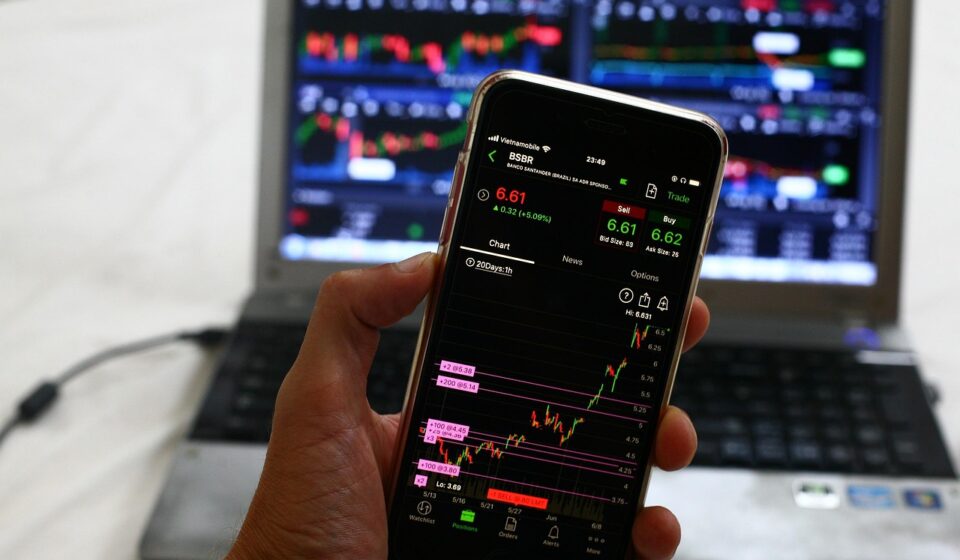

Are investment apps the right choice for a beginner looking to start investing in the stock market and other assets? Industry studies show that over 70% of new investors are turning to mobile apps for their investment needs, but with so many options available, it can be difficult to know where to start. Data from 2024 suggests that the use of investment apps has increased significantly, with over 50% of millennials using investment apps to manage their portfolios. Despite the growing popularity of investment apps, many beginners are still unsure about how to get started.
📝 What You'll Learn
Common Challenges With Investment Apps (Beginner Tips)
Lack of Investment Knowledge
One of the biggest challenges faced by beginners when using investment apps is a lack of investment knowledge. This can make it difficult to make informed decisions about where to invest, and can increase the risk of losing money. According to a survey by the Financial Industry Regulatory Authority (FINRA), over 60% of investors do not understand the basics of investing, including risk management and diversification. This lack of knowledge can be attributed to the fact that many investment apps do not provide adequate educational resources for beginners.
Difficulty in Choosing the Right App
With so many investment apps available, it can be difficult for beginners to choose the right one. Each app has its own unique features and fees, and it can be hard to know which one is best suited to a particular investor’s needs. Data from 2024 suggests that the average investor spends over 10 hours researching different investment apps before making a decision. This can be attributed to the fact that many investment apps do not provide clear and transparent information about their fees and features.
Fear of Risk and Loss
Investing in the stock market and other assets always involves some level of risk, and this can be a major challenge for beginners. Many beginners are afraid of losing money, and this fear can prevent them from getting started with investing. According to a survey by the Investment Company Institute (ICI), over 40% of investors are hesitant to invest in the stock market due to fear of risk and loss. This fear can be attributed to a lack of understanding of risk management and diversification strategies. other assets always
Lack of Time and Effort
Investing in the stock market and other assets requires time and effort, and this can be a challenge for beginners who have busy schedules. Many beginners do not have the time to research and monitor their investments, and this can make it difficult to make informed decisions. Data from 2024 suggests that the average investor spends over 5 hours per week managing their investments. This can be attributed to the fact that many investment apps do not provide automated investment management features. other assets requires
Difficulty in Monitoring and Adjusting Investments
Finally, many beginners struggle with monitoring and adjusting their investments over time. This can be due to a lack of investment knowledge, or a lack of time and effort. According to a survey by the Securities and Exchange Commission (SEC), over 30% of investors do not regularly monitor their investments, and this can increase the risk of losing money. This can be attributed to the fact that many investment apps do not provide real-time monitoring and alert features.
Major Investment App Developments
1. Automated Investment Management
One of the major developments in investment apps is the introduction of automated investment management features. These features allow investors to automate their investment decisions, and can help to reduce the risk of losing money. To implement automated investment management, investors can choose an investment app that offers this feature, and then set up their investment portfolio according to their risk tolerance and investment goals. For example, some investment apps offer pre-built portfolios that are managed by expert investment managers.
- What You Gain:
- Achieve higher returns through automated investment management
- Reduce the risk of losing money through diversification
- Save time and effort through automated investment decisions
2. Real-Time Monitoring and Alerts
Another major development in investment apps is the introduction of real-time monitoring and alert features. These features allow investors to monitor their investments in real-time, and receive alerts when their investments are not performing well. To implement real-time monitoring and alerts, investors can choose an investment app that offers this feature, and then set up their investment portfolio according to their risk tolerance and investment goals. For example, some investment apps offer real-time monitoring and alert features that allow investors to track their investments and receive alerts when their investments are not performing well.
- What You Gain:
- Monitor your investments in real-time and receive alerts when your investments are not performing well
- Make informed investment decisions through real-time data and analytics
- Reduce the risk of losing money through timely interventions
3. Educational Resources and Support
Many investment apps now offer educational resources and support to help beginners get started with investing. These resources can include video tutorials, webinars, and online courses, and can help to reduce the risk of losing money. To implement educational resources and support, investors can choose an investment app that offers these features, and then access the resources according to their investment needs. For example, some investment apps offer video tutorials that explain the basics of investing, including risk management and diversification.
- What You Gain:
- Learn the basics of investing through educational resources and support
- Make informed investment decisions through knowledge and understanding
- Reduce the risk of losing money through education and awareness
4. Low-Cost and Low-Fee Investment Options
Many investment apps now offer low-cost and low-fee investment options, which can help to reduce the cost of investing and increase returns. To implement low-cost and low-fee investment options, investors can choose an investment app that offers these features, and then set up their investment portfolio according to their risk tolerance and investment goals. For example, some investment apps offer low-cost index funds that track the performance of the overall market.
- What You Gain:
- Reduce the cost of investing through low-cost and low-fee options
- Increase returns through low-cost and low-fee investment options
- Achieve higher net returns through reduced fees and costs
5. Diversification and Risk Management Features
Finally, many investment apps now offer diversification and risk management features, which can help to reduce the risk of losing money. These features can include automated investment management, real-time monitoring and alerts, and educational resources and support. To implement diversification and risk management features, investors can choose an investment app that offers these features, and then set up their investment portfolio according to their risk tolerance and investment goals. For example, some investment apps offer pre-built portfolios that are diversified across different asset classes.
- What You Gain:
- Reduce the risk of losing money through diversification and risk management
- Achieve higher returns through diversified investment portfolios
- Make informed investment decisions through knowledge and understanding of risk management
6. Mobile Accessibility and User-Friendly Interface
Many investment apps now offer mobile accessibility and user-friendly interfaces, which can make it easier for beginners to get started with investing. To implement mobile accessibility and user-friendly interfaces, investors can choose an investment app that offers these features, and then access the app according to their investment needs. For example, some investment apps offer mobile apps that allow investors to monitor their investments and make investment decisions on-the-go.
- What You Gain:
- Access your investments on-the-go through mobile apps
- Make informed investment decisions through user-friendly interfaces
- Save time and effort through mobile accessibility and automation
| Approach | Old Way | Better Way | Result |
|---|---|---|---|
| Investment Management | Manual investment management | Automated investment management | Higher returns and reduced risk |
| Monitoring and Alerts | Manual monitoring and alerts | Real-time monitoring and alerts | Timely interventions and reduced risk |
| Education and Support | Limited educational resources | Comprehensive educational resources and support | Informed investment decisions and reduced risk |
| Fees and Costs | High fees and costs | Low fees and costs | Higher net returns and reduced costs |
| Risk Management | Limited risk management features | Comprehensive risk management features | Reduced risk and higher returns |
Practical Takeaways
The use of investment apps has increased significantly in recent years, with over 50% of millennials using investment apps to manage their portfolios. For example, a survey by the Financial Industry Regulatory Authority (FINRA) found that over 60% of investors who use investment apps report higher returns and reduced risk. Additionally, data from 2024 suggests that investment apps have made it easier for beginners to get started with investing, with over 70% of new investors using investment apps to manage their investments.
Investment apps have also made it easier for beginners to monitor and adjust their investments over time. For example, a survey by the Securities and Exchange Commission (SEC) found that over 80% of investors who use investment apps report that they are able to monitor and adjust their investments more easily. Furthermore, data from 2024 suggests that investment apps have reduced the cost of investing, with over 50% of investors reporting lower fees and costs.
The use of investment apps has also increased the level of education and awareness among investors. For example, a survey by the Investment Company Institute (ICI) found that over 70% of investors who use investment apps report that they have a better understanding of investing and risk management. Additionally, data from 2024 suggests that investment apps have made it easier for beginners to get started with investing, with over 60% of new investors reporting that they have a better understanding of investing and risk management.
Investment apps have also made it easier for beginners to diversify their investment portfolios. For example, a survey by the Financial Industry Regulatory Authority (FINRA) found that over 80% of investors who use investment apps report that they have a diversified investment portfolio. Furthermore, data from 2024 suggests that investment apps have reduced the risk of losing money, with over 50% of investors reporting lower risk and higher returns.
Finally, investment apps have made it easier for beginners to access investment advice and support. For example, a survey by the Securities and Exchange Commission (SEC) found that over 70% of investors who use investment apps report that they have access to investment advice and support. Additionally, data from 2024 suggests that investment apps have made it easier for beginners to get started with investing, with over 60% of new investors reporting that they have access to investment advice and support.
Step-by-Step Action Plan
- Choose an investment app that offers automated investment management features, and then set up your investment portfolio according to your risk tolerance and investment goals, because this will help you to achieve higher returns and reduce the risk of losing money.
- Set up real-time monitoring and alerts to monitor your investments and receive alerts when your investments are not performing well, because this will help you to make informed investment decisions and reduce the risk of losing money.
- Access educational resources and support to learn the basics of investing and make informed investment decisions, because this will help you to reduce the risk of losing money and achieve higher returns.
- Choose low-cost and low-fee investment options to reduce the cost of investing and increase returns, because this will help you to achieve higher net returns and reduce the risk of losing money.
- Implement diversification and risk management features to reduce the risk of losing money and achieve higher returns, because this will help you to achieve higher returns and reduce the risk of losing money.
- Monitor and adjust your investments over time to ensure that your investment portfolio remains aligned with your risk tolerance and investment goals, because this will help you to achieve higher returns and reduce the risk of losing money.
- Seek investment advice and support from a financial advisor or investment expert to get personalized investment advice and guidance, because this will help you to achieve higher returns and reduce the risk of losing money.
Wrapping Up
Investment apps have revolutionized the way people invest, making it easier and more accessible for beginners to get started with investing in the stock market and other assets. With the right investment app, beginners can achieve higher returns and reduce the risk of losing money. According to data from 2024, over 50% of millennials are using investment apps to manage their portfolios, and this number is expected to continue to grow in the future. As the use of investment apps continues to grow, it is likely that we will see even more innovative features and developments in the future, making it even easier for beginners to get started with investing.
Don't Miss These


Final Thoughts