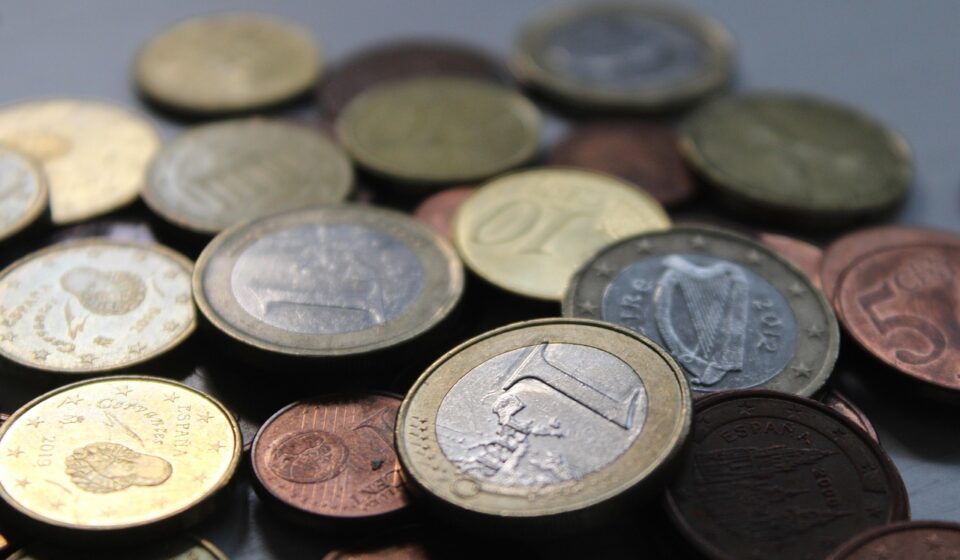

For many people, the concept of foreign exchange — also known as forex (a term that refers to the global market where individuals, businesses, and institutions trade currencies) — is mysterious and intimidating. When beginners first discover the topic, they often come across a plethora of misinformation, making it difficult to discern what is accurate and what is not. The foreign exchange market is not just for large corporations or financial institutions; it affects everyone who travels abroad, imports goods, or does business internationally. Foreign exchange rates can significantly impact the cost of living, the profitability of businesses, and the overall health of economies. The lack of understanding about how foreign exchange works can lead to misconceptions and missed opportunities.
📝 In This Post
Defining Foreign Exchange
Foreign exchange, or forex, refers to the process of changing one country’s currency into another country’s currency — for example, exchanging US dollars for euros. This exchange is necessary for international trade and travel, enabling individuals and businesses to buy goods and services from other countries. The exchange rate (the price of one currency in terms of another) is determined by supply and demand in the foreign exchange market, which is the largest and most liquid financial market in the world, operating 24/5 (twenty-four hours a day, five days a week).
| Term | Plain-English Meaning |
|---|---|
| Forex | The global market where currencies are traded. |
| Exchange Rate | The price of one currency in terms of another. |
| Currency Pair | Two currencies traded against each other — for example, euro/US dollar. |
| Spot Transaction | A deal where the currencies are exchanged immediately, or "on the spot." |
| use | |
| Margin | The amount of money required to open a position, acting as a deposit to cover potential losses. |
Why Foreign Exchange Matters
Foreign exchange is crucial for businesses that operate globally, as fluctuations in currency exchange rates can significantly affect their profitability. For instance, if a US-based company exports goods to Europe, a strong dollar (relative to the euro) could make their products more expensive for European buyers, potentially leading to a decrease in sales. On the other hand, importers benefit from a strong currency because it allows them to purchase more foreign goods with fewer dollars, thereby reducing their costs and potentially increasing their profit margins.
Individuals also benefit from understanding foreign exchange, especially when traveling abroad or sending money to family and friends in other countries. Knowing the current exchange rates can help travelers budget more effectively for their trips and avoid losing money due to unfavorable exchange rates. Moreover, with the rise of e-commerce and international online shopping, consumers are increasingly exposed to foreign exchange, whether they realize it or not, as prices can fluctuate based on exchange rates.
The real-world impact of foreign exchange can be seen in economic indicators such as trade deficits and surpluses. For example, if a country imports more than it exports, it runs a trade deficit, which can lead to a depreciation of its currency. This, in turn, can make its exports cheaper and more competitive in the global market, potentially increasing demand and helping to reduce the deficit. Understanding these dynamics is crucial for policymakers, businesses, and individuals alike, as it can inform decisions on investments, pricing strategies, and economic policies.
Major Foreign Exchange Developments
1. Understanding Currency Pairs
Currency pairs are the foundation of foreign exchange trading. Each pair consists of a base currency and a quote currency, which are traded against each other. For example, in the EUR/USD pair, the euro is the base currency, and the US dollar is the quote currency. To trade currency pairs, one must understand how exchange rates are quoted and how to read price charts, which display the historical exchange rates between the two currencies.
To use currency pairs effectively, traders need to stay updated on economic news and events that could impact the exchange rate, such as changes in interest rates, GDP growth, and political stability. A common beginner mistake is failing to consider the overall market conditions and economic indicators that influence currency values. currency pairs effectively
- Strengths: Allows for diversified investment portfolios, facilitates international trade, and provides a liquid market for currencies.
- Enables speculation on currency fluctuations for potential profit.
2. Spot Transactions
A spot transaction is a straightforward exchange of currencies at the current market rate. It is called a "spot" deal because the exchange is made "on the spot," with the expectation that the physical exchange of currencies will occur in a short time frame, typically within two business days.
To execute a spot transaction, parties involved agree on the exchange rate, the amount to be exchanged, and the value date. Understanding the terms and conditions of spot transactions is crucial, especially for businesses that need to hedge against currency risk. A common mistake beginners make is not accounting for the time difference between agreement and settlement, which can affect the exchange rate.
- Strengths: Provides immediate liquidity, allows for quick responses to market changes, and is less complex compared to forward contracts.
- Offers flexibility in managing cash flows and currency exposures.
3. Forward Contracts
A forward contract is an agreement to buy or sell a certain amount of currency at a predetermined exchange rate on a specified future date. Unlike spot transactions, forward contracts are used to manage future currency exposures and can help mitigate risks associated with exchange rate fluctuations.
To utilize forward contracts effectively, businesses and individuals must accurately forecast their future currency needs and understand the terms of the contract, including the delivery date and the exchange rate. A common beginner mistake is underestimating the potential for significant exchange rate movements between the contract agreement and its maturity.
- Strengths: Provides a hedge against future exchange rate risks, allows for better budgeting and financial planning, and can be tailored to specific business needs.
- Enables companies to secure exchange rates for future transactions, reducing uncertainty and financial risk.
4. Currency Futures
Currency futures are contracts that obligate the buyer and seller to exchange currencies at a set price on a specific future date. These contracts are traded on public commodities markets and are standardized, meaning they have specific sizes and expiration dates, which facilitates trading and pricing transparency.
To trade currency futures, one must open a margin account with a broker and understand the use involved, as well as the potential risks and rewards. A common mistake beginners make is failing to fully comprehend the margin requirements and the potential for significant losses due to use.
- Strengths: Offers high liquidity, allows for speculation on exchange rates, and provides a platform for hedging against currency risks.
- Facilitates price discovery and reflects market expectations of future exchange rates.
5. Exchange Rate Regimes
Exchange rate regimes refer to the ways in which governments manage their currencies in relation to other currencies. These regimes can be fixed, where the exchange rate is pegged to another currency or basket of currencies, or floating, where the exchange rate is determined by supply and demand in the foreign exchange market.
To understand exchange rate regimes, one must consider the implications of each regime on monetary policy, trade balances, and economic stability. A common beginner mistake is not recognizing the limitations and vulnerabilities of fixed exchange rate regimes, such as the risk of currency crises.
- Strengths: Fixed regimes can provide stability and predictability, while floating regimes allow for monetary policy independence and automatic adjustment to external shocks.
- Hybrid regimes can offer a balance between stability and flexibility, depending on the specific economic conditions and policy goals.
6. Currency Options
Currency options give the buyer the right, but not the obligation, to exchange currencies at a predetermined rate on or before a specific date. This financial instrument is useful for managing risk, as it provides protection against adverse exchange rate movements without obligating the buyer to execute the trade if the market moves favorably.
To use currency options effectively, one must understand the concepts of calls and puts, strike prices, and expiration dates, as well as the premiums paid for these options. A common mistake beginners make is misunderstanding the difference between European and American options, which affects when the option can be exercised.
- Strengths: Provides flexibility in hedging strategies, allows for speculative trading, and offers protection against potential losses due to exchange rate fluctuations.
- Enables companies to customize their risk management strategies according to their specific needs and market expectations.
7. Electronic Trading Platforms
Electronic trading platforms have revolutionized the way foreign exchange transactions are conducted. These platforms provide real-time quotes, instant execution, and a wide range of trading tools and analysis, making foreign exchange more accessible to individuals and smaller institutions.
To effectively use electronic trading platforms, users must be familiar with the interface, understand the order types (such as market orders and limit orders), and be aware of the risks associated with online trading, including the potential for rapid price movements and technical issues. A common beginner mistake is not fully understanding the fees and commissions associated with each trade.
- Strengths: Offers convenience, speed, and accessibility to global markets, facilitates price transparency, and provides a variety of trading tools and resources.
- Supports automated trading strategies and technical analysis for more sophisticated traders.
| Step | What You Do | Expected Result |
|---|---|---|
| 1. Understand Currency Pairs | Learn about base and quote currencies and how they are traded. | Ability to read and analyze currency pair quotes. |
| 2. Execute Spot Transactions | Exchange currencies at the current market rate. | Immediate exchange of currencies based on current rates. |
| 3. Use Forward Contracts | Agree to buy or sell currencies at a set future date and rate. | Hedging against future exchange rate risks. |
| 4. Trade Currency Futures | Buy or sell contracts obligating the exchange of currencies at a set price and date. | Speculation on future exchange rates or hedging against potential losses. |
| 5. Analyze Exchange Rate Regimes | Understand how governments manage their currencies. | Insight into the implications of different regimes on economic stability and monetary policy. |
| 6. Utilize Currency Options | Buy options to exchange currencies at predetermined rates. | Flexibility in hedging strategies and protection against adverse exchange rate movements. |
| 7. use Electronic Trading Platforms | Use online platforms for trading and managing foreign exchange transactions. | Access to real-time quotes, instant execution, and a range of trading tools. |
Frequently Asked Questions
What is the purpose of the foreign exchange market?
The primary purpose of the foreign exchange market is to facilitate the exchange of currencies for international trade and investment. This market allows businesses, individuals, and institutions to buy and sell currencies, thereby enabling the exchange of goods and services across borders. The foreign exchange market also provides a platform for speculation and hedging against currency risks, which can help stabilize international trade and investment flows.
How are exchange rates determined?
Exchange rates are determined by the forces of supply and demand in the foreign exchange market. The market is driven by a multitude of factors, including economic indicators such as GDP growth, inflation rates, interest rates, and trade balances, as well as political stability and speculation. The equilibrium exchange rate is the rate at which the quantity of a currency supplied equals the quantity demanded.
What are the risks associated with foreign exchange trading?
Foreign exchange trading involves several risks, including market risk (the potential for losses due to unfavorable exchange rate movements), credit risk (the risk that the counterparty fails to meet their obligations), and liquidity risk (the risk that a position cannot be easily bought or sold). Additionally, use can amplify both gains and losses, making foreign exchange trading potentially risky for inexperienced traders. Foreign exchange trading
How can individuals protect themselves against exchange rate fluctuations?
Individuals can protect themselves against exchange rate fluctuations by using hedging instruments such as forward contracts, futures, and options. These financial instruments allow individuals and businesses to secure exchange rates for future transactions, thereby reducing the risk associated with potential exchange rate movements. Additionally, staying informed about economic and political developments that could impact exchange rates can help in making more informed decisions.
What role does speculation play in the foreign exchange market?
Speculation plays a significant role in the foreign exchange market, as traders attempt to profit from predicting exchange rate movements. Speculators buy currencies they believe will appreciate in value and sell currencies they expect to depreciate. While speculation can contribute to market volatility, it also provides liquidity to the market and helps in the discovery of exchange rates that reflect the true economic conditions.
One Last Thing
Understanding foreign exchange is crucial in today’s interconnected world, where economic conditions in one country can have far-reaching implications for others. By grasping the basics of foreign exchange and how it operates, individuals and businesses can better navigate the complexities of international trade and investment, making more informed decisions that account for the dynamics of global markets.
As the world becomes increasingly globalized, the importance of foreign exchange will only continue to grow. Whether one is involved in international business, travels frequently, or is simply interested in the workings of the global economy, knowledge of foreign exchange can provide valuable insights and opportunities.
By taking the first steps towards understanding foreign exchange, individuals can embark on a path of discovery that opens up new perspectives on the world economy and their place within it. This path, while challenging, can be highly rewarding for those who are willing to learn and adapt to the ever-changing landscape of global finance.
Related Articles


Keep Going