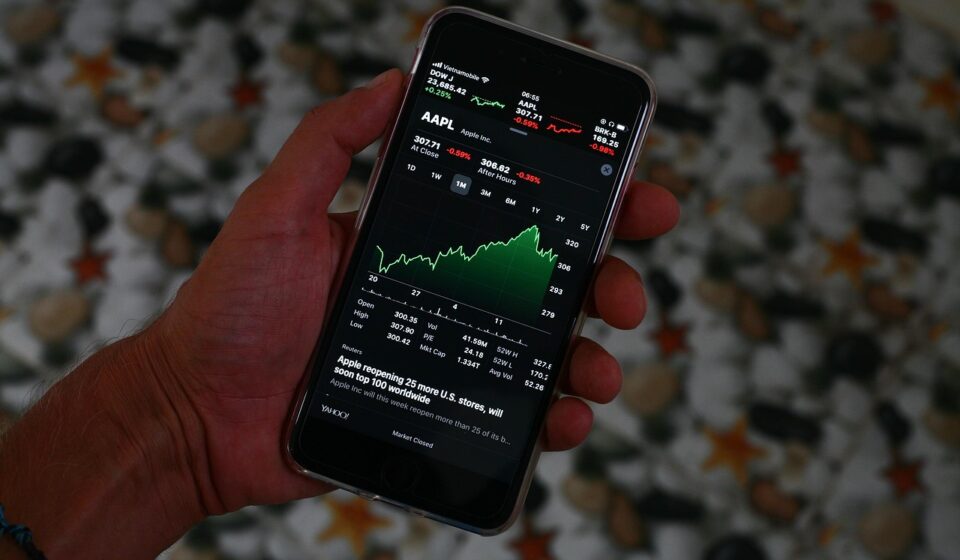

Many people assume that all finance apps are created equal, and that any app will do when it comes to managing their money. However, choosing the right finance app can make a significant difference in a person’s financial life. With so many options available, it can be overwhelming to decide which app to use. Furthermore, there are many myths surrounding finance apps that can make it difficult to separate fact from fiction. By understanding what finance apps can and cannot do, individuals can make informed decisions about their financial management. Choosing the right approach matters, as it can help people save time, reduce stress, and achieve their financial goals. In addition, using a finance app can help individuals develop healthy financial habits and improve their overall financial well-being.
📝 Quick Navigation
What Does Finance App Mean?
A finance app – short for financial application – is a software program (a set of instructions that a computer can understand) designed to help people manage their financial affairs – including budgeting (planning how to spend money), saving, and investing (putting money into something to earn more money). Finance apps can be accessed through a variety of devices, including smartphones, tablets, and computers. They often provide features such as account tracking (monitoring bank and credit card accounts), bill payment (paying bills electronically), and financial planning (creating a plan to achieve financial goals). Some finance apps also offer investment tracking (monitoring investment portfolios) and credit score monitoring (keeping track of credit scores). By using a finance app, individuals can streamline their financial management and make more informed decisions about their money.
Before comparing different finance apps, it’s essential to understand what features to look for. The following table outlines some key metrics to evaluate when choosing a finance app:
| Feature | Description | Importance |
|---|---|---|
| Security | The app’s ability to protect user data – including passwords and financial information | High |
| User Interface | The app’s ease of use and navigability | Medium |
| Features | The app’s functionality – including budgeting, saving, and investing tools | High |
| Customer Support | The app’s availability and responsiveness to user questions and concerns | Medium |
Major Finance App Developments
Mint
Mint is a popular finance app that offers a range of features, including budgeting, saving, and investing tools. It also provides credit score monitoring and bill payment capabilities. Mint is known for its user-friendly interface and robust security features.
- Strengths:
- Comprehensive budgeting and saving tools
- Investment tracking and monitoring
- Free credit score monitoring
- Challenges:
- Limited investment options
- No live customer support
Best for: Individuals looking for a comprehensive and user-friendly finance app with robust budgeting and saving tools.
Personal Capital
Personal Capital is a finance app that focuses on investment tracking and monitoring. It also offers budgeting and saving tools, as well as financial planning and advice. Personal Capital is known for its comprehensive investment features and personalized financial planning.
- Strengths:
- Comprehensive investment tracking and monitoring
- Personalized financial planning and advice
- Robust budgeting and saving tools
- Challenges:
- Limited customer support
- No credit score monitoring
Best for: Individuals looking for a comprehensive investment tracking and monitoring app with personalized financial planning and advice.
YNAB (You Need a Budget)
YNAB is a finance app that focuses on budgeting and saving. It offers a range of features, including automated budgeting and saving tools, as well as investment tracking and monitoring. YNAB is known for its comprehensive budgeting and saving features and user-friendly interface.
- Strengths:
- Comprehensive budgeting and saving tools
- Automated budgeting and saving features
- Investment tracking and monitoring
- Challenges:
- Limited investment options
- No credit score monitoring
Best for: Individuals looking for a comprehensive budgeting and saving app with automated features and investment tracking.
Quicken
Quicken is a finance app that offers a range of features, including budgeting, saving, and investing tools. It also provides credit score monitoring and bill payment capabilities. Quicken is known for its comprehensive features and robust security.
- Strengths:
- Comprehensive budgeting and saving tools
- Investment tracking and monitoring
- Free credit score monitoring
- Challenges:
- Limited investment options
- No live customer support
Best for: Individuals looking for a comprehensive finance app with robust budgeting and saving tools, investment tracking, and credit score monitoring.
Acorns
Acorns is a finance app that focuses on investing and saving. It offers a range of features, including automated investment and saving tools, as well as financial planning and advice. Acorns is known for its user-friendly interface and low fees.
- Strengths:
- Automated investment and saving features
- Low fees and minimums
- Financial planning and advice
- Challenges: see this resource
- Limited investment options
- No credit score monitoring
Best for: Individuals looking for a user-friendly and low-cost investment and saving app with automated features and financial planning.
| Option | Best For | Difficulty | Cost | Speed |
|---|---|---|---|---|
| Mint | Comprehensive finance management | Easy | Free | Fast |
| Personal Capital | Investment tracking and monitoring | Medium | Free | Fast |
| YNAB | Budgeting and saving | Easy | $6.99/month | Fast |
| Quicken | Comprehensive finance management | Medium | $3.99/month | Fast |
| Acorns | Investing and saving | Easy | $1/month | Fast |
How to Choose the Right One
Choosing the right finance app can be overwhelming, but by considering a few key factors, individuals can make an informed decision. Security is a top priority, as finance apps handle sensitive financial information. Look for apps with robust security features, such as encryption and two-factor authentication. Features are also important, as different apps offer different functionality. Consider what features are essential to you, such as budgeting, saving, or investing tools. Cost is another factor to consider, as some apps charge fees or have minimums. Finally, customer support is essential, as individuals may have questions or concerns about the app.
When evaluating finance apps, it’s also important to read reviews and do research. Look for apps with high ratings and positive reviews from other users. Additionally, consider the app’s user interface and ease of use. A user-friendly interface can make it easier to navigate the app and use its features. Finally, consider the app’s compatibility with different devices and operating systems.
By considering these factors, individuals can choose a finance app that meets their needs and helps them achieve their financial goals. It’s also important to remember that no app is perfect, and individuals may need to try out a few different options before finding the right one. With patience and research, individuals can find a finance app that helps them manage their finances effectively and achieve financial stability. considering these factors
In addition to these factors, individuals should also consider their financial goals and needs. Different apps are designed for different purposes, such as budgeting, saving, or investing. By understanding their financial goals and needs, individuals can choose an app that is tailored to their specific situation. For example, individuals who are trying to save money may want to choose an app that offers automated savings features, while individuals who are trying to invest may want to choose an app that offers investment tracking and monitoring.
Finally, individuals should also consider the app’s customer support and resources. A good finance app should offer comprehensive customer support, including FAQs, tutorials, and live support. Additionally, the app should offer resources and tools to help individuals learn more about personal finance and manage their finances effectively. By considering these factors, individuals can choose a finance app that meets their needs and helps them achieve their financial goals.
The Impact on Consumers
Using a finance app can have a significant impact on consumers, helping them to manage their finances more effectively and achieve their financial goals. One of the main benefits of using a finance app is that it can help individuals save time and reduce stress. By automating financial tasks, such as budgeting and bill payment, individuals can free up more time to focus on other things. Additionally, finance apps can help individuals develop healthy financial habits, such as saving and investing regularly.
Another benefit of using a finance app is that it can help individuals improve their financial knowledge and literacy. Many finance apps offer educational resources and tools, such as tutorials and webinars, to help individuals learn more about personal finance and manage their finances effectively. By using a finance app, individuals can gain a better understanding of their financial situation and make more informed decisions about their money.
Using a finance app can also help individuals achieve their financial goals, such as saving for a down payment on a house or paying off debt. By setting financial goals and tracking progress, individuals can stay motivated and focused on their objectives. Additionally, finance apps can help individuals avoid financial pitfalls, such as overspending or accumulating debt, by providing alerts and warnings when suspicious activity is detected.
In addition to these benefits, using a finance app can also help individuals improve their credit score. By monitoring credit scores and providing alerts when changes occur, finance apps can help individuals stay on top of their credit and make informed decisions about their financial situation. Furthermore, finance apps can help individuals reduce their financial risks, such as identity theft or fraud, by providing robust security features and alerts when suspicious activity is detected.
Overall, using a finance app can have a significant impact on consumers, helping them to manage their finances more effectively, achieve their financial goals, and improve their overall financial well-being. By choosing the right finance app and using it regularly, individuals can take control of their finances and achieve financial stability.
Finally, using a finance app can also help individuals stay organized and on track with their finances. By providing a centralized platform for managing finances, finance apps can help individuals keep track of their accounts, bills, and investments, and make informed decisions about their money. Additionally, finance apps can help individuals set financial goals and track progress, providing a clear picture of their financial situation and helping them stay motivated and focused on their objectives.
The Big Picture
To wrap up, choosing the right finance app is an important decision that can have a significant impact on an individual’s financial well-being. By considering factors such as security, features, cost, and customer support, individuals can choose a finance app that meets their needs and helps them achieve their financial goals. With the right finance app, individuals can manage their finances more effectively, develop healthy financial habits, and improve their overall financial literacy. By taking control of their finances and using the right tools, individuals can achieve financial stability and secure their financial future.
The key to choosing the right finance app is to understand what features are essential to you and what your financial goals are. By considering these factors and doing research, individuals can find a finance app that is tailored to their specific situation and helps them achieve their financial objectives. With the right finance app, individuals can take control of their finances and achieve financial stability.
Ultimately, the decision to use a finance app is an important one, and individuals should carefully consider their options before making a choice. By choosing the right finance app and using it regularly, individuals can manage their finances more effectively, achieve their financial goals, and improve their overall financial well-being.
More From The Blog


Get Started